

Motmot

Rusty-collared Seedeater vs White-throated Seedeater

Sporophila collaris versus Sporophila albogularis

Play a quiz with Rusty-collared Seedeater and White-throated Seedeater
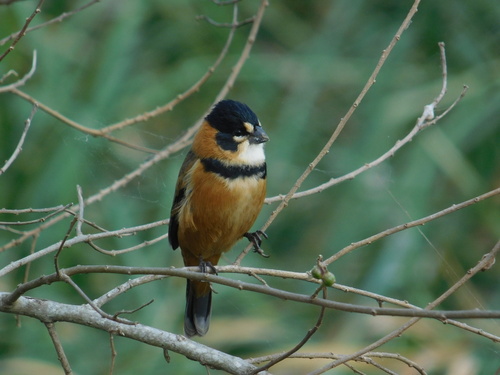
Rusty-collared Seedeater (Sporophila collaris) Rusty-collared Seedeater
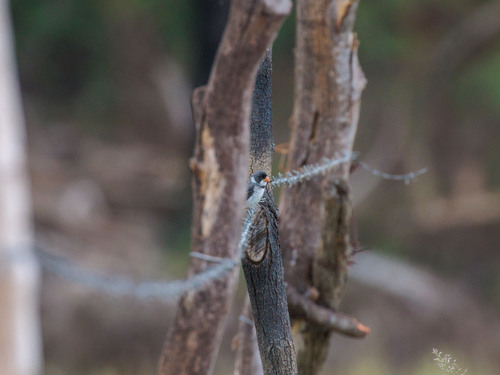
White-throated Seedeater (Sporophila albogularis) White-throated Seedeater

Media

Loading…

In short

The most reliable field mark between Rusty-collared and White-throated Seedeaters is the color and extent of the underparts and collar in adult males: Rusty-collared shows a buff or cinnamon collar and underparts, while White-throated is much whiter below. Both species have a partial white collar and similar facial patterns, but the Rusty-collared male is warmer and paler below, with more extensive pale or rusty tones, especially in some subspecies. Females are trickier, but Rusty-collared is generally warmer and buffier overall, with more pronounced wing bars and a larger white patch at the base of the primaries. Bill color in males (black vs. orange) is also helpful at close range. Immature and female birds are best separated by subtle differences in wing pattern and overall tone, especially in the field.

Identification tips

  1. Adult male underparts and collar: Rusty-collared males have a buff to cinnamon collar and underparts (especially in S. c. melanocephala, which is very rich cinnamon), while White-throated males are much whiter below, with only a narrow blackish band below the throat and grayish sides/flanks.
  2. Adult male bill color: Rusty-collared males have a black bill; White-throated males have an orange-yellow to orange-pink bill. This is a strong mark at close range.
  3. Female and immature upperparts: Rusty-collared females are warm brown above with buffy wing bars and a relatively large white patch at the base of the primaries. White-throated females are also brown above but have less prominent wing bars and a smaller white primary patch.
  4. Female and immature underparts: Rusty-collared females are tawny-buff below throughout, while White-throated females are paler, with buffy brown limited to the breast and flanks and the belly/vent distinctly whitish.
  5. Wing pattern in all ages: Rusty-collared shows two distinct buffy or cinnamon wing bars and a larger white patch at the base of the primaries (especially in males), visible as a pale panel on the closed wing. White-throated has less prominent wing bars and a smaller white primary patch.
  6. Facial pattern (both species): Both have a blackish crown and face (male), white spot above the lores, white arc below the eye, and a white throat forming a partial collar. This is not diagnostic between them.
  7. Tail color: Rusty-collared males have a black tail; White-throated males have a darker gray tail. Females of both are brownish-tailed, not a strong mark.
  8. Subspecies variation (Rusty-collared): Be aware that S. c. melanocephala is especially rich cinnamon below, while S. c. ochrascen is more olive-gray above and rust-yellow below. This can add confusion if not expected.
  9. Leg color: Rusty-collared has black legs; White-throated males have blackish legs, females dusky. Not a strong field mark.
  10. Bill color in females: Rusty-collared females have a black bill; White-throated females have a dusky bill. Subtle, but can help with good views.
  11. Size: Rusty-collared is slightly larger and heavier, but this is not a practical field mark.
  12. Range and habitat: If outside northeastern Brazil, White-throated is unlikely. Rusty-collared is more widespread in southern South America.
  13. Jizz and structure: Both are thick-billed, longish-tailed seedeaters with a rounded culmen. Structure is not a strong separator.
  14. Seasonal confusion: Non-breeding males and immatures can look much duller and more female-like, so rely on wing pattern and underpart color rather than overall brightness.
  15. Pitfalls: Beware of dull or worn males, which can lose contrast and appear more like females; always check multiple features, especially wing pattern and underpart color.

Size

Rusty-collared Seedeater is slightly larger and heavier (average 10.8 g) than White-throated Seedeater (average 9.7 g), but this difference is not likely to be noticeable in the field. Both are small, thick-billed seedeaters of similar length (Rusty-collared about 12 cm, White-throated about 11 cm).

Plumage

Juvenile and female Rusty-collared Seedeaters are warm brown above with buffy wing bars and a relatively large white patch at the base of the primaries, visible as a pale panel on the closed wing; the underparts are tawny-buff. White-throated Seedeater females are also brownish above but are generally paler below, with the belly and vent distinctly whitish and the buff restricted to the breast and flanks; their wing bars are less prominent and the white primary patch is smaller. Adult males of both species have a blackish head with a white spot above the lores, a white arc below the eye, and a white throat forming a partial collar, but Rusty-collared males show a buff or cinnamon collar and underparts (varying by subspecies), while White-throated males are much whiter below with grayish sides and flanks. Bill color is also useful: Rusty-collared males have a black bill, while White-throated males have an orange to orange-pink bill. Female bills are dusky in White-throated and black in Rusty-collared.

Behaviour

Both species are typical seedeaters, often seen perched in open areas or low vegetation. No strong behavioral differences are noted in the available sources.

Habitat

Rusty-collared Seedeater has a broader range, found in Argentina, Bolivia, Brazil, Paraguay, and Uruguay, often in open country, grasslands, and brushy areas. White-throated Seedeater is endemic to northeastern Brazil and is more restricted in range. If you are outside northeastern Brazil, White-throated is unlikely.

Submit a better description

Use the same sections as the comparison. Your text is published immediately.

The most reliable field mark between Rusty-collared and White-throated Seedeaters is the color and extent of the underparts and collar in adult males: Rusty-collared shows a buff or cinnamon collar and underparts, while White-throated is much whiter below. Both species have a partial white collar and similar facial patterns, but the Rusty-collared male is warmer and paler below, with more extensive pale or rusty tones, especially in some subspecies. Females are trickier, but Rusty-collared is generally warmer and buffier overall, with more pronounced wing bars and a larger white patch at the base of the primaries. Bill color in males (black vs. orange) is also helpful at close range. Immature and female birds are best separated by subtle differences in wing pattern and overall tone, especially in the field.

  1. Adult male underparts and collar: Rusty-collared males have a buff to cinnamon collar and underparts (especially in S. c. melanocephala, which is very rich cinnamon), while White-throated males are much whiter below, with only a narrow blackish band below the throat and grayish sides/flanks.
  2. Adult male bill color: Rusty-collared males have a black bill; White-throated males have an orange-yellow to orange-pink bill. This is a strong mark at close range.
  3. Female and immature upperparts: Rusty-collared females are warm brown above with buffy wing bars and a relatively large white patch at the base of the primaries. White-throated females are also brown above but have less prominent wing bars and a smaller white primary patch.
  4. Female and immature underparts: Rusty-collared females are tawny-buff below throughout, while White-throated females are paler, with buffy brown limited to the breast and flanks and the belly/vent distinctly whitish.
  5. Wing pattern in all ages: Rusty-collared shows two distinct buffy or cinnamon wing bars and a larger white patch at the base of the primaries (especially in males), visible as a pale panel on the closed wing. White-throated has less prominent wing bars and a smaller white primary patch.
  6. Facial pattern (both species): Both have a blackish crown and face (male), white spot above the lores, white arc below the eye, and a white throat forming a partial collar. This is not diagnostic between them.
  7. Tail color: Rusty-collared males have a black tail; White-throated males have a darker gray tail. Females of both are brownish-tailed, not a strong mark.
  8. Subspecies variation (Rusty-collared): Be aware that S. c. melanocephala is especially rich cinnamon below, while S. c. ochrascen is more olive-gray above and rust-yellow below. This can add confusion if not expected.
  9. Leg color: Rusty-collared has black legs; White-throated males have blackish legs, females dusky. Not a strong field mark.
  10. Bill color in females: Rusty-collared females have a black bill; White-throated females have a dusky bill. Subtle, but can help with good views.
  11. Size: Rusty-collared is slightly larger and heavier, but this is not a practical field mark.
  12. Range and habitat: If outside northeastern Brazil, White-throated is unlikely. Rusty-collared is more widespread in southern South America.
  13. Jizz and structure: Both are thick-billed, longish-tailed seedeaters with a rounded culmen. Structure is not a strong separator.
  14. Seasonal confusion: Non-breeding males and immatures can look much duller and more female-like, so rely on wing pattern and underpart color rather than overall brightness.
  15. Pitfalls: Beware of dull or worn males, which can lose contrast and appear more like females; always check multiple features, especially wing pattern and underpart color.

Rusty-collared Seedeater is slightly larger and heavier (average 10.8 g) than White-throated Seedeater (average 9.7 g), but this difference is not likely to be noticeable in the field. Both are small, thick-billed seedeaters of similar length (Rusty-collared about 12 cm, White-throated about 11 cm).

Juvenile and female Rusty-collared Seedeaters are warm brown above with buffy wing bars and a relatively large white patch at the base of the primaries, visible as a pale panel on the closed wing; the underparts are tawny-buff. White-throated Seedeater females are also brownish above but are generally paler below, with the belly and vent distinctly whitish and the buff restricted to the breast and flanks; their wing bars are less prominent and the white primary patch is smaller. Adult males of both species have a blackish head with a white spot above the lores, a white arc below the eye, and a white throat forming a partial collar, but Rusty-collared males show a buff or cinnamon collar and underparts (varying by subspecies), while White-throated males are much whiter below with grayish sides and flanks. Bill color is also useful: Rusty-collared males have a black bill, while White-throated males have an orange to orange-pink bill. Female bills are dusky in White-throated and black in Rusty-collared.

Both species are typical seedeaters, often seen perched in open areas or low vegetation. No strong behavioral differences are noted in the available sources.

Rusty-collared Seedeater has a broader range, found in Argentina, Bolivia, Brazil, Paraguay, and Uruguay, often in open country, grasslands, and brushy areas. White-throated Seedeater is endemic to northeastern Brazil and is more restricted in range. If you are outside northeastern Brazil, White-throated is unlikely.

Discard your changes?

You have unsaved edits. If you leave now, those changes will be lost.

Rusty-collared Seedeater · White-throated Seedeater · My Tricky Birds