

Motmot

Rustic Bunting vs Yellow-browed Bunting

Emberiza rustica versus Emberiza chrysophrys

Play a quiz with Rustic Bunting and Yellow-browed Bunting
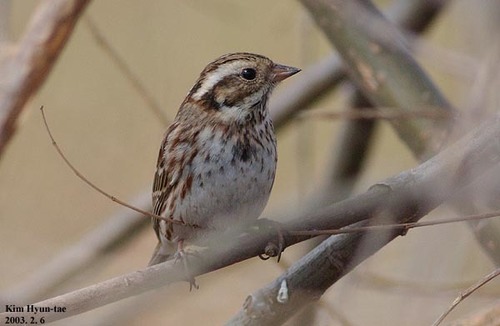
Rustic Bunting (Emberiza rustica) Rustic Bunting
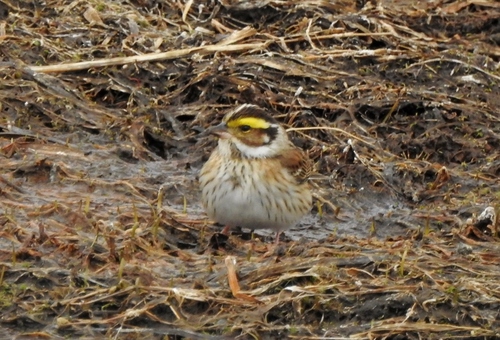
Yellow-browed Bunting (Emberiza chrysophrys) Yellow-browed Bunting

Media

Loading…

In short

The most reliable field mark to separate Rustic Bunting from Yellow-browed Bunting is the presence of a bright yellow eyebrow (supercilium) in Yellow-browed Bunting of all ages, versus a white supercilium in Rustic Bunting. Adult males of both species have a black head, but only Yellow-browed Bunting shows a distinct yellow brow and a white crown stripe. Females and immatures are trickier: Rustic Bunting females have reddish flank streaks and a pink lower mandible, while Yellow-browed Bunting females always show at least some yellow in the eyebrow and a hint of a white crown stripe. Both species are similar in size and shape, and both can be confused with other buntings, but careful attention to eyebrow color and head pattern is key.

Identification tips

  1. Eyebrow (supercilium) color: The single most reliable mark. Yellow-browed Bunting always shows at least some yellow in the eyebrow in all plumages and ages; Rustic Bunting always has a white supercilium.
  2. Crown stripe: Breeding male Yellow-browed Bunting has a white crown stripe, which Rustic Bunting lacks. Females and immatures of Yellow-browed Bunting may show a faint white crown stripe; Rustic Bunting does not.
  3. Head pattern (breeding males): Both have black heads, but Rustic Bunting has a white throat and supercilium with a reddish breast band, while Yellow-browed Bunting has a white crown stripe, white throat, white moustachial stripe, and yellow eyebrow.
  4. Female/immature confusion: Female Rustic Bunting is heavily streaked brown with a brown face, white supercilium, reddish flank streaks, chestnut nape, and a pink lower mandible. Female Yellow-browed Bunting is browner overall, with a yellow eyebrow and at least a hint of a white crown stripe.
  5. Flank color: Rustic Bunting (especially females) shows reddish flank streaks, which are lacking in Yellow-browed Bunting.
  6. Nape color: Female Rustic Bunting has a chestnut nape, which is not mentioned for Yellow-browed Bunting.
  7. Bill color: Rustic Bunting has a pink lower mandible; bill color is not specified for Yellow-browed Bunting, but this may help in direct comparison.
  8. Breast band: Breeding male Rustic Bunting shows a reddish breast band, absent in Yellow-browed Bunting.
  9. Voice: Rustic Bunting's call is a 'zit' and its song is a melancholic phrase; Yellow-browed Bunting's voice is not described, so do not rely on this unless Rustic Bunting's distinctive call is heard.
  10. Habitat: Rustic Bunting breeds in wet coniferous woodland (taiga); habitat alone is not diagnostic, but may support ID in breeding season.
  11. Flight/wing pattern: No distinctive age-specific wing or flight pattern is described for either species; do not rely on this for separation.
  12. Size and structure: Both are similar in size and shape, so size is not a useful separator.
  13. Potential confusion with other buntings: Female and immature Yellow-browed Buntings can be confused with Little Bunting, but always show some yellow in the eyebrow and a hint of a white crown stripe; Rustic Bunting does not.
  14. Seasonal context: Both species are migratory and may occur together in wintering grounds in East Asia; use plumage details rather than season for separation.
  15. Summary tip: In any plumage, if you see a clear yellow eyebrow, it's Yellow-browed Bunting; if the eyebrow is white and the bird shows reddish flank streaks or a chestnut nape, it's Rustic Bunting.

Size

Both Rustic Bunting and Yellow-browed Bunting are similar in size, closely matching the Reed Bunting. There is no strong structural difference in overall body size, bill size, or tail length noted between these two species. Both have the typical compact, sparrow-like build of Emberiza buntings.

Plumage

For all ages and sexes, the eyebrow (supercilium) color is the most diagnostic plumage feature: Yellow-browed Bunting always shows at least some yellow in the eyebrow, even in females and juveniles, while Rustic Bunting has a white supercilium. In breeding males, Rustic Bunting has a black head with a white throat and supercilium, plus a reddish breast band, whereas Yellow-browed Bunting males have a black head with a white crown stripe and moustachial stripe, white throat, and a striking yellow eyebrow. Female Rustic Buntings are heavily streaked brown with a brown face, white supercilium, reddish flank streaks, and a chestnut nape; their lower mandible is pink. Female Yellow-browed Buntings have a weaker head pattern (brown instead of black), but always show some yellow in the eyebrow and a hint of a white crown stripe. Juvenile and immature Yellow-browed Buntings can be confused with Little Bunting, but the yellow eyebrow and crown stripe are still present. No distinctive wing or flight pattern is described for either species at any age.

Behaviour

Both species behave like typical buntings, often feeding on the ground or low in bushes. There are no noted behavioral differences between Rustic and Yellow-browed Buntings in the available sources. Both may be seen in mixed flocks during migration or winter.

Habitat

Rustic Bunting breeds in wet coniferous woodland across the northern Palearctic, especially taiga habitats, and winters in southeast Asia, Japan, Korea, and eastern China. Yellow-browed Bunting's habitat is not detailed in the sources, but both are migratory Emberiza buntings of northern Eurasia, with overlapping wintering grounds. Habitat alone is not a reliable separator where their ranges overlap.

Voice

Rustic Bunting gives a 'zit' call, similar to a Song Thrush, and its song is described as a melancholic 'delee-deloo-delee.' No vocal description is provided for Yellow-browed Bunting, so voice is not a reliable separator based on the available information.

Submit a better description

Use the same sections as the comparison. Your text is published immediately.

The most reliable field mark to separate Rustic Bunting from Yellow-browed Bunting is the presence of a bright yellow eyebrow (supercilium) in Yellow-browed Bunting of all ages, versus a white supercilium in Rustic Bunting. Adult males of both species have a black head, but only Yellow-browed Bunting shows a distinct yellow brow and a white crown stripe. Females and immatures are trickier: Rustic Bunting females have reddish flank streaks and a pink lower mandible, while Yellow-browed Bunting females always show at least some yellow in the eyebrow and a hint of a white crown stripe. Both species are similar in size and shape, and both can be confused with other buntings, but careful attention to eyebrow color and head pattern is key.

  1. Eyebrow (supercilium) color: The single most reliable mark. Yellow-browed Bunting always shows at least some yellow in the eyebrow in all plumages and ages; Rustic Bunting always has a white supercilium.
  2. Crown stripe: Breeding male Yellow-browed Bunting has a white crown stripe, which Rustic Bunting lacks. Females and immatures of Yellow-browed Bunting may show a faint white crown stripe; Rustic Bunting does not.
  3. Head pattern (breeding males): Both have black heads, but Rustic Bunting has a white throat and supercilium with a reddish breast band, while Yellow-browed Bunting has a white crown stripe, white throat, white moustachial stripe, and yellow eyebrow.
  4. Female/immature confusion: Female Rustic Bunting is heavily streaked brown with a brown face, white supercilium, reddish flank streaks, chestnut nape, and a pink lower mandible. Female Yellow-browed Bunting is browner overall, with a yellow eyebrow and at least a hint of a white crown stripe.
  5. Flank color: Rustic Bunting (especially females) shows reddish flank streaks, which are lacking in Yellow-browed Bunting.
  6. Nape color: Female Rustic Bunting has a chestnut nape, which is not mentioned for Yellow-browed Bunting.
  7. Bill color: Rustic Bunting has a pink lower mandible; bill color is not specified for Yellow-browed Bunting, but this may help in direct comparison.
  8. Breast band: Breeding male Rustic Bunting shows a reddish breast band, absent in Yellow-browed Bunting.
  9. Voice: Rustic Bunting's call is a 'zit' and its song is a melancholic phrase; Yellow-browed Bunting's voice is not described, so do not rely on this unless Rustic Bunting's distinctive call is heard.
  10. Habitat: Rustic Bunting breeds in wet coniferous woodland (taiga); habitat alone is not diagnostic, but may support ID in breeding season.
  11. Flight/wing pattern: No distinctive age-specific wing or flight pattern is described for either species; do not rely on this for separation.
  12. Size and structure: Both are similar in size and shape, so size is not a useful separator.
  13. Potential confusion with other buntings: Female and immature Yellow-browed Buntings can be confused with Little Bunting, but always show some yellow in the eyebrow and a hint of a white crown stripe; Rustic Bunting does not.
  14. Seasonal context: Both species are migratory and may occur together in wintering grounds in East Asia; use plumage details rather than season for separation.
  15. Summary tip: In any plumage, if you see a clear yellow eyebrow, it's Yellow-browed Bunting; if the eyebrow is white and the bird shows reddish flank streaks or a chestnut nape, it's Rustic Bunting.

Both Rustic Bunting and Yellow-browed Bunting are similar in size, closely matching the Reed Bunting. There is no strong structural difference in overall body size, bill size, or tail length noted between these two species. Both have the typical compact, sparrow-like build of Emberiza buntings.

For all ages and sexes, the eyebrow (supercilium) color is the most diagnostic plumage feature: Yellow-browed Bunting always shows at least some yellow in the eyebrow, even in females and juveniles, while Rustic Bunting has a white supercilium. In breeding males, Rustic Bunting has a black head with a white throat and supercilium, plus a reddish breast band, whereas Yellow-browed Bunting males have a black head with a white crown stripe and moustachial stripe, white throat, and a striking yellow eyebrow. Female Rustic Buntings are heavily streaked brown with a brown face, white supercilium, reddish flank streaks, and a chestnut nape; their lower mandible is pink. Female Yellow-browed Buntings have a weaker head pattern (brown instead of black), but always show some yellow in the eyebrow and a hint of a white crown stripe. Juvenile and immature Yellow-browed Buntings can be confused with Little Bunting, but the yellow eyebrow and crown stripe are still present. No distinctive wing or flight pattern is described for either species at any age.

Both species behave like typical buntings, often feeding on the ground or low in bushes. There are no noted behavioral differences between Rustic and Yellow-browed Buntings in the available sources. Both may be seen in mixed flocks during migration or winter.

Rustic Bunting breeds in wet coniferous woodland across the northern Palearctic, especially taiga habitats, and winters in southeast Asia, Japan, Korea, and eastern China. Yellow-browed Bunting's habitat is not detailed in the sources, but both are migratory Emberiza buntings of northern Eurasia, with overlapping wintering grounds. Habitat alone is not a reliable separator where their ranges overlap.

Rustic Bunting gives a 'zit' call, similar to a Song Thrush, and its song is described as a melancholic 'delee-deloo-delee.' No vocal description is provided for Yellow-browed Bunting, so voice is not a reliable separator based on the available information.

Discard your changes?

You have unsaved edits. If you leave now, those changes will be lost.

Rustic Bunting · Yellow-browed Bunting · My Tricky Birds