

Zigolo boschereccio vs Yellow-browed Bunting
Emberiza rustica contro Emberiza chrysophrys
Fai un quiz con Zigolo boschereccio e Yellow-browed Bunting
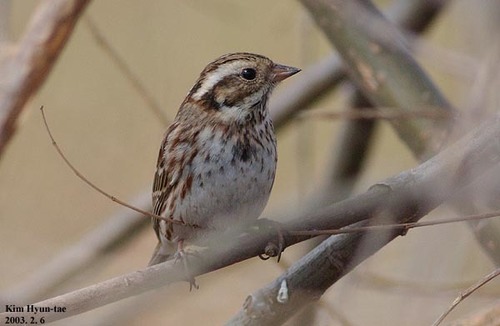 Zigolo boschereccio
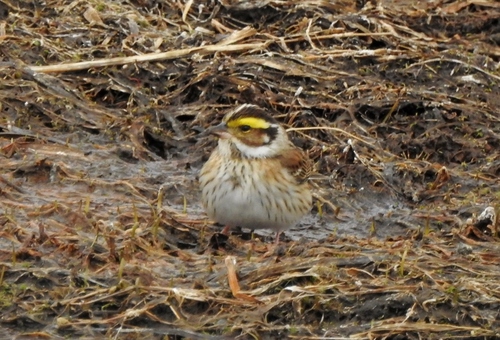 Yellow-browed Bunting
In breve
Il segno di campo più affidabile per separare il Zigolo boschereccio dal Yellow-browed Bunting è la presenza di un sopracciglio giallo brillante (supercilium) nello Yellow-browed Bunting di tutte le età, rispetto a un supercilium bianco nello Zigolo boschereccio. I maschi adulti di entrambe le specie hanno una testa nera, ma solo lo Yellow-browed Bunting mostra un sopracciglio giallo distintivo e una striscia bianca sulla corona. Le femmine e gli immaturi sono più difficili da distinguere: le femmine di Zigolo boschereccio hanno strisce rosse ai fianchi e un mandibola inferiore rosa, mentre le femmine di Yellow-browed Bunting mostrano sempre almeno un po' di giallo nel sopracciglio e un accenno di una striscia bianca sulla corona. Entrambe le specie sono simili in dimensioni e forma, e possono essere confuse con altri zigoli, ma prestare attenzione al colore del sopracciglio e al motivo della testa è fondamentale.
Consigli di identificazione
- Colore del sopracciglio (supercilium): Il segno più affidabile. Lo Yellow-browed Bunting mostra sempre almeno un po' di giallo nel sopracciglio in tutte le livree e età; lo Zigolo boschereccio ha sempre un supercilium bianco.
- Striscia sulla corona: Il maschio in riproduzione dello Yellow-browed Bunting ha una striscia bianca sulla corona, che manca nello Zigolo boschereccio. Le femmine e gli immaturi di Yellow-browed Bunting possono mostrare una debole striscia bianca sulla corona; lo Zigolo boschereccio no.
- Motivo della testa (maschi in riproduzione): Entrambi hanno teste nere, ma lo Zigolo boschereccio ha una gola e un supercilium bianchi con una fascia toracica rossastra, mentre lo Yellow-browed Bunting ha una striscia bianca sulla corona, gola bianca, striscia moustachiale bianca e sopracciglio giallo.
- Confusione femmine/immaturi: La femmina di Zigolo boschereccio è fortemente striata di marrone con un volto marrone, supercilium bianco, strisce rosse ai fianchi, nuca castagna e un mandibola inferiore rosa. La femmina di Yellow-browed Bunting è complessivamente più marrone, con un sopracciglio giallo e almeno un accenno di una striscia bianca sulla corona.
- Colore dei fianchi: Lo Zigolo boschereccio (soprattutto le femmine) mostra strisce rosse ai fianchi, che mancano nello Yellow-browed Bunting.
- Colore della nuca: La femmina di Zigolo boschereccio ha una nuca castagna, che non è menzionata per lo Yellow-browed Bunting.
- Colore del becco: Lo Zigolo boschereccio ha un mandibola inferiore rosa; il colore del becco non è specificato per lo Yellow-browed Bunting, ma questo potrebbe aiutare nel confronto diretto.
- Fascia toracica: Il maschio in riproduzione dello Zigolo boschereccio mostra una fascia toracica rossastra, assente nello Yellow-browed Bunting.
- Voce: Il richiamo dello Zigolo boschereccio è un 'zit' e il suo canto è una frase malinconica; la voce dello Yellow-browed Bunting non è descritta, quindi non fare affidamento su questo a meno che non si senta il richiamo distintivo dello Zigolo boschereccio.
- Habitat: Lo Zigolo boschereccio nidifica in boschi di conifere umidi (taiga); l'habitat da solo non è diagnostico, ma può supportare l'identificazione nella stagione di riproduzione.
- Motivo di volo/ala: Non è descritto alcun motivo di volo o ala specifico per età per entrambe le specie; non fare affidamento su questo per la separazione.
- Dimensioni e struttura: Entrambi sono simili in dimensioni e forma, quindi la dimensione non è un separatore utile.
- Possibile confusione con altri zigoli: Le femmine e gli immaturi di Yellow-browed Buntings possono essere confusi con il Zigolo minore, ma mostrano sempre un po' di giallo nel sopracciglio e un accenno di una striscia bianca sulla corona; lo Zigolo boschereccio no.
- Contesto stagionale: Entrambe le specie sono migratorie e possono verificarsi insieme nei luoghi di svernamento in Asia orientale; utilizzare i dettagli della livrea piuttosto che la stagione per la separazione.
- Suggerimento riassuntivo: In qualsiasi livrea, se vedi un chiaro sopracciglio giallo, è lo Yellow-browed Bunting; se il sopracciglio è bianco e l'uccello mostra strisce rosse ai fianchi o una nuca castagna, è lo Zigolo boschereccio.
Taglia
Sia lo Zigolo boschereccio che lo Yellow-browed Bunting sono simili in dimensioni, corrispondendo strettamente allo Zigolo di fiume. Non ci sono differenze strutturali significative nelle dimensioni complessive del corpo, nelle dimensioni del becco o nella lunghezza della coda notate tra queste due specie. Entrambi hanno la tipica struttura compatta, simile a quella di un passero, degli zigoli Emberiza.
Piumaggio
Per tutte le età e sessi, il colore del sopracciglio (supercilium) è la caratteristica di livrea più diagnostica: lo Yellow-browed Bunting mostra sempre almeno un po' di giallo nel sopracciglio, anche nelle femmine e nei giovani, mentre lo Zigolo boschereccio ha un supercilium bianco. Nei maschi in riproduzione, lo Zigolo boschereccio ha una testa nera con una gola e un supercilium bianchi, oltre a una fascia toracica rossastra, mentre i maschi di Yellow-browed Bunting hanno una testa nera con una striscia bianca sulla corona e striscia moustachiale, gola bianca e un sopracciglio giallo sorprendente. Le femmine di Zigolo boschereccio sono fortemente striate di marrone con un volto marrone, supercilium bianco, strisce rosse ai fianchi e una nuca castagna; il loro mandibola inferiore è rosa. Le femmine di Yellow-browed Bunting hanno un motivo della testa più debole (marrone invece di nero), ma mostrano sempre un po' di giallo nel sopracciglio e un accenno di una striscia bianca sulla corona. I giovani e gli immaturi di Yellow-browed Bunting possono essere confusi con il Zigolo minore, ma il sopracciglio giallo e la striscia sulla corona sono ancora presenti. Non è descritto alcun motivo distintivo di volo o ala per entrambe le specie a qualsiasi età.
Comportamento
Entrambe le specie si comportano come tipici zigoli, spesso nutrendosi a terra o in basso nei cespugli. Non ci sono differenze comportamentali notate tra Zigolo boschereccio e Yellow-browed Bunting nelle fonti disponibili. Entrambi possono essere visti in gruppi misti durante la migrazione o l'inverno.
Habitat
Lo Zigolo boschereccio nidifica in boschi di conifere umidi attraverso il Palearctico settentrionale, specialmente negli habitat di taiga, e sverna nel sud-est asiatico, in Giappone, Corea e Cina orientale. L'habitat dello Yellow-browed Bunting non è dettagliato nelle fonti, ma entrambi sono zigoli Emberiza migratori dell'Eurasia settentrionale, con aree di svernamento sovrapposte. L'habitat da solo non è un separatore affidabile dove i loro areali si sovrappongono.
Voce
Lo Zigolo boschereccio emette un richiamo 'zit', simile a quello di un Tordo, e il suo canto è descritto come una malinconica 'delee-deloo-delee.' Non è fornita alcuna descrizione vocale per lo Yellow-browed Bunting, quindi la voce non è un separatore affidabile basato sulle informazioni disponibili.
Zigolo boschereccio · Yellow-browed Bunting · I miei uccelli difficili