

Motmot

Rock Pratincole vs Collared Pratincole

Glareola nuchalis versus Glareola pratincola

Play a quiz with Rock Pratincole and Collared Pratincole
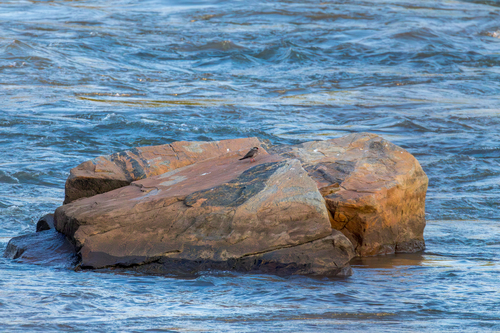
Rock Pratincole (Glareola nuchalis) Rock Pratincole
Collared Pratincole (Glareola pratincola) Collared Pratincole

Media

Loading…

In short

The most reliable field mark to separate Rock Pratincole from Collared Pratincole is the underwing pattern in flight: Rock Pratincole shows a distinct white patch on the underwing, while Collared Pratincole’s underwing is chestnut (appearing dark from below). Rock Pratincole is notably smaller and darker overall, with a unique white collar extending from below the eye to the nape. Collared Pratincole is larger, paler brown above, and lacks the crisp white collar but has a longer, more deeply forked tail. Both have white bellies and forked tails, so focus on underwing color and overall size for the quickest separation, especially in flight or distant views.

Identification tips

  1. Underwing pattern in flight (all ages where visible): Rock Pratincole shows a bold white patch on the underwing, while Collared Pratincole’s underwing is chestnut, appearing dark from below. This is the fastest and most reliable separation in flight.
  2. White collar (adults): Rock Pratincole has a crisp white line running from below the eye to the nape, forming a collar. Collared Pratincole lacks this mark entirely.
  3. Overall size: Collared Pratincole is much larger and heavier than Rock Pratincole. If you have a sense of scale (with other birds or objects), size is a strong clue.
  4. Plumage tone: Rock Pratincole is darker gray-brown above, while Collared Pratincole is paler brown above and on the head. In poor light, this can be subtle, so use with caution.
  5. Tail shape and length: Both have forked tails, but Collared Pratincole’s is longer and more deeply forked, especially obvious in flight or when perched with tail spread.
  6. Bill and bare parts: Rock Pratincole has a black bill with a red base and coral red legs and eyes. Collared Pratincole’s bill is short but lacks the strong color contrast; bare part colors are less distinctive in the field.
  7. Belly color: Both have white bellies, so this is not a separator.
  8. Habitat context: Rock Pratincole is found on rocks in rivers, especially in Africa. Collared Pratincole is found in open country, wetlands, and mudflats, often away from rocks.
  9. Behavior: Both species feed on the wing, but Rock Pratincole may be seen performing courtship flights with wings held high and collar flared. This is only seen during breeding.
  10. Voice: Both species have whistling and purring calls; no reliable difference for field ID.
  11. Juvenile/immature plumage: No detailed information is available for separating juveniles, so rely on underwing pattern and structure if possible.
  12. Perched vs. in flight: Underwing pattern is best seen in flight. When perched, focus on collar (Rock) and overall size and tail length (Collared).
  13. Pitfalls: In poor light, both can look dark above and white below; do not rely on upperpart color alone. White belly is shared. Distant birds may hide the collar, so try for a side or front view.
  14. Season/sex: No strong seasonal or sexual dimorphism is described; both sexes similar, so all marks apply year-round.
  15. When in doubt: If the underwing is seen well, use that. If not, combine collar, size, and habitat for best guess, but beware overlap in open country or distant views.

Size

Collared Pratincole is substantially larger and heavier than Rock Pratincole. Collared Pratincole measures 24–28 cm in length with a wingspan of 60–70 cm and an adult mass around 77 g [wikidata]. Rock Pratincole is much smaller at 16.5–19.5 cm in length, with a wing length of 14.3–16.0 cm and a mass of 43–52 g [wikipedia]. In the field, Collared Pratincole’s larger, rangier build and longer wings and tail are usually apparent, especially when seen side by side or with other waders for scale.

Plumage

The most diagnostic plumage difference is the underwing pattern in flight for adults: Rock Pratincole shows a distinct white patch on the underwing, while Collared Pratincole’s underwing is chestnut-colored, appearing dark from below [wikipedia]. This mark is reliable for adults and older immatures; juvenile/first-winter details are not described for either species, so caution is needed if viewing very young birds. Rock Pratincole adults are dark gray-brown overall with a crisp white line (collar) from below the eye to the nape, a white belly, and a forked tail. Their bill is black with a red base, and legs and eyes are coral red. Collared Pratincole adults are paler brown above and on the head, with a white belly, brown wings with darker flight feathers, and a long, deeply forked tail. They lack the Rock Pratincole’s white collar. Both have white bellies, but only Rock Pratincole has the bold white neck marking. In poor light or distant views, both can look dark above with white below, so underwing and collar are key.

Behaviour

Both species are aerial insect hunters, often catching prey on the wing like swallows. Rock Pratincole is noted for elaborate courtship flights with wings held high and neck feathers flared to show off the white collar. Both species can be noisy when aggressive, but their general feeding and flight behavior is similar. Collared Pratincole may be seen feeding both in the air and on the ground. Rock Pratincole’s habit of returning to the nest with wet feathers is unique to breeding birds and not a field mark for general observation.

Habitat

Rock Pratincole is closely tied to rocky river habitats, often seen perched on rocks surrounded by water, especially during breeding. Collared Pratincole is more typical of open country, wetlands, and mudflats, often away from rocky substrates. If you see a pratincole on bare rocks in or near fast-flowing water, Rock Pratincole is much more likely. In open fields, mudflats, or marshes, especially in Eurasia or North Africa, Collared Pratincole is the default.

Voice

Both species have whistling and purring calls, and both can become noisy when agitated. No clear, diagnostic vocal differences are described in the sources, so voice is not a reliable separator in the field for these two.

Submit a better description

Use the same sections as the comparison. Your text is published immediately.

The most reliable field mark to separate Rock Pratincole from Collared Pratincole is the underwing pattern in flight: Rock Pratincole shows a distinct white patch on the underwing, while Collared Pratincole’s underwing is chestnut (appearing dark from below). Rock Pratincole is notably smaller and darker overall, with a unique white collar extending from below the eye to the nape. Collared Pratincole is larger, paler brown above, and lacks the crisp white collar but has a longer, more deeply forked tail. Both have white bellies and forked tails, so focus on underwing color and overall size for the quickest separation, especially in flight or distant views.

  1. Underwing pattern in flight (all ages where visible): Rock Pratincole shows a bold white patch on the underwing, while Collared Pratincole’s underwing is chestnut, appearing dark from below. This is the fastest and most reliable separation in flight.
  2. White collar (adults): Rock Pratincole has a crisp white line running from below the eye to the nape, forming a collar. Collared Pratincole lacks this mark entirely.
  3. Overall size: Collared Pratincole is much larger and heavier than Rock Pratincole. If you have a sense of scale (with other birds or objects), size is a strong clue.
  4. Plumage tone: Rock Pratincole is darker gray-brown above, while Collared Pratincole is paler brown above and on the head. In poor light, this can be subtle, so use with caution.
  5. Tail shape and length: Both have forked tails, but Collared Pratincole’s is longer and more deeply forked, especially obvious in flight or when perched with tail spread.
  6. Bill and bare parts: Rock Pratincole has a black bill with a red base and coral red legs and eyes. Collared Pratincole’s bill is short but lacks the strong color contrast; bare part colors are less distinctive in the field.
  7. Belly color: Both have white bellies, so this is not a separator.
  8. Habitat context: Rock Pratincole is found on rocks in rivers, especially in Africa. Collared Pratincole is found in open country, wetlands, and mudflats, often away from rocks.
  9. Behavior: Both species feed on the wing, but Rock Pratincole may be seen performing courtship flights with wings held high and collar flared. This is only seen during breeding.
  10. Voice: Both species have whistling and purring calls; no reliable difference for field ID.
  11. Juvenile/immature plumage: No detailed information is available for separating juveniles, so rely on underwing pattern and structure if possible.
  12. Perched vs. in flight: Underwing pattern is best seen in flight. When perched, focus on collar (Rock) and overall size and tail length (Collared).
  13. Pitfalls: In poor light, both can look dark above and white below; do not rely on upperpart color alone. White belly is shared. Distant birds may hide the collar, so try for a side or front view.
  14. Season/sex: No strong seasonal or sexual dimorphism is described; both sexes similar, so all marks apply year-round.
  15. When in doubt: If the underwing is seen well, use that. If not, combine collar, size, and habitat for best guess, but beware overlap in open country or distant views.

Collared Pratincole is substantially larger and heavier than Rock Pratincole. Collared Pratincole measures 24–28 cm in length with a wingspan of 60–70 cm and an adult mass around 77 g [wikidata]. Rock Pratincole is much smaller at 16.5–19.5 cm in length, with a wing length of 14.3–16.0 cm and a mass of 43–52 g [wikipedia]. In the field, Collared Pratincole’s larger, rangier build and longer wings and tail are usually apparent, especially when seen side by side or with other waders for scale.

The most diagnostic plumage difference is the underwing pattern in flight for adults: Rock Pratincole shows a distinct white patch on the underwing, while Collared Pratincole’s underwing is chestnut-colored, appearing dark from below [wikipedia]. This mark is reliable for adults and older immatures; juvenile/first-winter details are not described for either species, so caution is needed if viewing very young birds. Rock Pratincole adults are dark gray-brown overall with a crisp white line (collar) from below the eye to the nape, a white belly, and a forked tail. Their bill is black with a red base, and legs and eyes are coral red. Collared Pratincole adults are paler brown above and on the head, with a white belly, brown wings with darker flight feathers, and a long, deeply forked tail. They lack the Rock Pratincole’s white collar. Both have white bellies, but only Rock Pratincole has the bold white neck marking. In poor light or distant views, both can look dark above with white below, so underwing and collar are key.

Both species are aerial insect hunters, often catching prey on the wing like swallows. Rock Pratincole is noted for elaborate courtship flights with wings held high and neck feathers flared to show off the white collar. Both species can be noisy when aggressive, but their general feeding and flight behavior is similar. Collared Pratincole may be seen feeding both in the air and on the ground. Rock Pratincole’s habit of returning to the nest with wet feathers is unique to breeding birds and not a field mark for general observation.

Rock Pratincole is closely tied to rocky river habitats, often seen perched on rocks surrounded by water, especially during breeding. Collared Pratincole is more typical of open country, wetlands, and mudflats, often away from rocky substrates. If you see a pratincole on bare rocks in or near fast-flowing water, Rock Pratincole is much more likely. In open fields, mudflats, or marshes, especially in Eurasia or North Africa, Collared Pratincole is the default.

Both species have whistling and purring calls, and both can become noisy when agitated. No clear, diagnostic vocal differences are described in the sources, so voice is not a reliable separator in the field for these two.

Discard your changes?

You have unsaved edits. If you leave now, those changes will be lost.

Rock Pratincole · Collared Pratincole · My Tricky Birds