

Motmot

エリジロツバメチドリ 対 ニシツバメチドリ

Glareola nuchalis 対 Glareola pratincola

エリジロツバメチドリとニシツバメチドリのクイズ
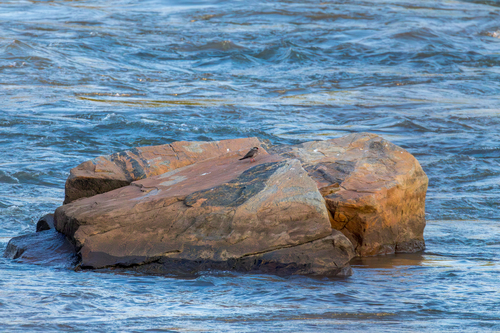
エリジロツバメチドリ (Glareola nuchalis) エリジロツバメチドリ
ニシツバメチドリ (Glareola pratincola) ニシツバメチドリ

メディア

読み込み中…

要点

ロックツバメチドリとニシツバメチドリを区別する最も信頼できるフィールドマークは、飛行中のアンダーウィングパターンです:ロックツバメチドリはアンダーウィングに明確な白い斑点を示し、ニシツバメチドリのアンダーウィングは栗色(下から見ると暗く見える)です。ロックツバメチドリは全体的に著しく小さく、暗い色合いで、目の下からうなじまで伸びる独特の白い襟があります。ニシツバメチドリは大きく、上面は淡い茶色で、シャープな白い襟がなく、尾は長く、より深く分かれています。両者は白い腹部と分かれた尾を持っているため、特に飛行中や遠くからの視界での最も迅速な区別にはアンダーウィングの色と全体的なサイズに注目してください。

識別のコツ

  1. 飛行中のアンダーウィングパターン(視認可能なすべての年齢): ロックツバメチドリはアンダーウィングに大胆な白い斑点を示し、ニシツバメチドリのアンダーウィングは栗色で、下から見ると暗く見えます。これは飛行中の最も迅速で信頼できる区別です。
  2. 白い襟(成鳥): ロックツバメチドリは目の下からうなじまで白い線が走っており、襟を形成しています。ニシツバメチドリはこのマークを完全に欠いています。
  3. 全体的なサイズ: ニシツバメチドリはロックツバメチドリよりもはるかに大きく、重いです。スケール感(他の鳥や物体と一緒に)を持っている場合、サイズは強い手がかりです。
  4. 羽毛の色調: ロックツバメチドリは上面が暗い灰色がかった茶色ですが、ニシツバメチドリは上面と頭部が淡い茶色です。光が悪いと、これは微妙になることがあるので注意して使用してください。
  5. 尾の形と長さ: 両者は分かれた尾を持っていますが、ニシツバメチドリの尾はより長く、より深く分かれています。特に飛行中や尾を広げて止まっているときに明らかです。
  6. くちばしと裸の部分: ロックツバメチドリは赤い基部を持つ黒いくちばしと、サンゴ色の脚と目を持っています。ニシツバメチドリのくちばしは短いですが、強い色のコントラストが欠けており、裸の部分の色はフィールドではあまり特徴的ではありません。
  7. 腹部の色: 両者は白い腹部を持っているため、これは区別にはなりません。
  8. 生息地の文脈: ロックツバメチドリは特にアフリカの川の岩の上に見られます。ニシツバメチドリは開けた国、湿地、干潟に見られ、しばしば岩から離れています。
  9. 行動: 両種は翼で餌を取りますが、ロックツバメチドリは翼を高く持ち上げ、襟を広げて求愛飛行を行う姿が見られることがあります。これは繁殖期にのみ見られます。
  10. 声: 両種は口笛のような鳴き声とゴロゴロ音を持っていますが、フィールドでの識別において信頼できる違いはありません。
  11. 幼鳥/未成熟の羽毛: 幼鳥を区別するための詳細な情報は利用できないため、可能であればアンダーウィングパターンと構造に頼ってください。
  12. 止まっているときと飛行中: アンダーウィングパターンは飛行中に最もよく見えます。止まっているときは、襟(ロック)と全体的なサイズと尾の長さ(ニシツバメチドリ)に注目してください。
  13. 落とし穴: 光が悪いと、両者は上面が暗く、下が白く見えることがあります。上面の色だけに頼らないでください。白い腹部は共通しています。遠くの鳥は襟を隠すことがあるので、側面または前面の視点を試みてください。
  14. 季節/性別: 強い季節的または性的二形性は記述されていません。両性は似ているため、すべてのマークは年間を通じて適用されます。
  15. 疑わしい場合: アンダーウィングがよく見える場合は、それを使用してください。そうでない場合は、襟、サイズ、生息地を組み合わせて最良の推測を行ってください。ただし、開けた国や遠くからの視界での重複に注意してください。

大きさ

ニシツバメチドリはロックツバメチドリよりもかなり大きく、重いです。ニシツバメチドリは長さ24〜28 cm、翼幅60〜70 cm、成鳥の質量は約77 gです [wikidata]。ロックツバメチドリは長さ16.5〜19.5 cm、翼の長さ14.3〜16.0 cm、質量は43〜52 gと、はるかに小さいです [wikipedia]。フィールドでは、ニシツバメチドリの大きく、細長い体型と長い翼と尾が通常明らかで、特に並んで見たり、他の水鳥と一緒にスケールを取ったりするときに顕著です。

羽色

最も診断的な羽毛の違いは、成鳥の飛行中のアンダーウィングパターンです:ロックツバメチドリはアンダーウィングに明確な白い斑点を示し、ニシツバメチドリのアンダーウィングは栗色で、下から見ると暗く見えます [wikipedia]。このマークは成鳥と古い未成熟個体に対して信頼できます。幼鳥/初冬の詳細はどちらの種についても記述されていないため、非常に若い鳥を観察する際には注意が必要です。ロックツバメチドリの成鳥は全体的に暗い灰色がかった茶色で、目の下からうなじまで白い線(襟)があり、白い腹部と分かれた尾を持っています。くちばしは黒で赤い基部を持ち、脚と目はサンゴ色です。ニシツバメチドリの成鳥は上面と頭部が淡い茶色で、白い腹部、暗い飛行羽を持つ茶色の翼、長く深く分かれた尾を持っています。彼らはロックツバメチドリの白い襟を欠いています。両者は白い腹部を持っていますが、ロックツバメチドリだけが大胆な白い首のマークを持っています。光が悪い場合や遠くからの視界では、両者は上面が暗く、下が白く見えることがあるため、アンダーウィングと襟が重要です。

行動

両種は空中の昆虫ハンターであり、しばしばツバメのように翼で獲物を捕まえます。ロックツバメチドリは、翼を高く持ち上げ、首の羽を広げて白い襟を見せる華やかな求愛飛行で知られています。両種は攻撃的なときに騒がしくなることがありますが、一般的な餌の取り方や飛行行動は似ています。ニシツバメチドリは空中と地上の両方で餌を取る姿が見られます。ロックツバメチドリが濡れた羽を持って巣に戻る習性は繁殖鳥に特有であり、一般的な観察のためのフィールドマークではありません。

生息環境

ロックツバメチドリは岩のある川の生息地に密接に関連しており、特に繁殖期には水に囲まれた岩の上に止まっている姿がよく見られます。ニシツバメチドリは開けた国、湿地、干潟に典型的で、しばしば岩の基盤から離れています。急流の水の中または近くの裸の岩の上にツバメチドリを見た場合、ロックツバメチドリの可能性が高いです。開けた野原、干潟、または湿地、特にユーラシアや北アフリカでは、ニシツバメチドリがデフォルトです。

声

両種は口笛のような鳴き声とゴロゴロ音を持ち、両者は興奮すると騒がしくなることがあります。情報源には明確で診断的な声の違いは記述されていないため、声はフィールドでのこれら二つの区別には信頼できるものではありません。

より良い説明を送る

比較と同じ項目を使ってください。文章はすぐに公開されます。

The most reliable field mark to separate Rock Pratincole from Collared Pratincole is the underwing pattern in flight: Rock Pratincole shows a distinct white patch on the underwing, while Collared Pratincole’s underwing is chestnut (appearing dark from below). Rock Pratincole is notably smaller and darker overall, with a unique white collar extending from below the eye to the nape. Collared Pratincole is larger, paler brown above, and lacks the crisp white collar but has a longer, more deeply forked tail. Both have white bellies and forked tails, so focus on underwing color and overall size for the quickest separation, especially in flight or distant views.

  1. Underwing pattern in flight (all ages where visible): Rock Pratincole shows a bold white patch on the underwing, while Collared Pratincole’s underwing is chestnut, appearing dark from below. This is the fastest and most reliable separation in flight.
  2. White collar (adults): Rock Pratincole has a crisp white line running from below the eye to the nape, forming a collar. Collared Pratincole lacks this mark entirely.
  3. Overall size: Collared Pratincole is much larger and heavier than Rock Pratincole. If you have a sense of scale (with other birds or objects), size is a strong clue.
  4. Plumage tone: Rock Pratincole is darker gray-brown above, while Collared Pratincole is paler brown above and on the head. In poor light, this can be subtle, so use with caution.
  5. Tail shape and length: Both have forked tails, but Collared Pratincole’s is longer and more deeply forked, especially obvious in flight or when perched with tail spread.
  6. Bill and bare parts: Rock Pratincole has a black bill with a red base and coral red legs and eyes. Collared Pratincole’s bill is short but lacks the strong color contrast; bare part colors are less distinctive in the field.
  7. Belly color: Both have white bellies, so this is not a separator.
  8. Habitat context: Rock Pratincole is found on rocks in rivers, especially in Africa. Collared Pratincole is found in open country, wetlands, and mudflats, often away from rocks.
  9. Behavior: Both species feed on the wing, but Rock Pratincole may be seen performing courtship flights with wings held high and collar flared. This is only seen during breeding.
  10. Voice: Both species have whistling and purring calls; no reliable difference for field ID.
  11. Juvenile/immature plumage: No detailed information is available for separating juveniles, so rely on underwing pattern and structure if possible.
  12. Perched vs. in flight: Underwing pattern is best seen in flight. When perched, focus on collar (Rock) and overall size and tail length (Collared).
  13. Pitfalls: In poor light, both can look dark above and white below; do not rely on upperpart color alone. White belly is shared. Distant birds may hide the collar, so try for a side or front view.
  14. Season/sex: No strong seasonal or sexual dimorphism is described; both sexes similar, so all marks apply year-round.
  15. When in doubt: If the underwing is seen well, use that. If not, combine collar, size, and habitat for best guess, but beware overlap in open country or distant views.

Collared Pratincole is substantially larger and heavier than Rock Pratincole. Collared Pratincole measures 24–28 cm in length with a wingspan of 60–70 cm and an adult mass around 77 g [wikidata]. Rock Pratincole is much smaller at 16.5–19.5 cm in length, with a wing length of 14.3–16.0 cm and a mass of 43–52 g [wikipedia]. In the field, Collared Pratincole’s larger, rangier build and longer wings and tail are usually apparent, especially when seen side by side or with other waders for scale.

The most diagnostic plumage difference is the underwing pattern in flight for adults: Rock Pratincole shows a distinct white patch on the underwing, while Collared Pratincole’s underwing is chestnut-colored, appearing dark from below [wikipedia]. This mark is reliable for adults and older immatures; juvenile/first-winter details are not described for either species, so caution is needed if viewing very young birds. Rock Pratincole adults are dark gray-brown overall with a crisp white line (collar) from below the eye to the nape, a white belly, and a forked tail. Their bill is black with a red base, and legs and eyes are coral red. Collared Pratincole adults are paler brown above and on the head, with a white belly, brown wings with darker flight feathers, and a long, deeply forked tail. They lack the Rock Pratincole’s white collar. Both have white bellies, but only Rock Pratincole has the bold white neck marking. In poor light or distant views, both can look dark above with white below, so underwing and collar are key.

Both species are aerial insect hunters, often catching prey on the wing like swallows. Rock Pratincole is noted for elaborate courtship flights with wings held high and neck feathers flared to show off the white collar. Both species can be noisy when aggressive, but their general feeding and flight behavior is similar. Collared Pratincole may be seen feeding both in the air and on the ground. Rock Pratincole’s habit of returning to the nest with wet feathers is unique to breeding birds and not a field mark for general observation.

Rock Pratincole is closely tied to rocky river habitats, often seen perched on rocks surrounded by water, especially during breeding. Collared Pratincole is more typical of open country, wetlands, and mudflats, often away from rocky substrates. If you see a pratincole on bare rocks in or near fast-flowing water, Rock Pratincole is much more likely. In open fields, mudflats, or marshes, especially in Eurasia or North Africa, Collared Pratincole is the default.

Both species have whistling and purring calls, and both can become noisy when agitated. No clear, diagnostic vocal differences are described in the sources, so voice is not a reliable separator in the field for these two.

変更を破棄しますか?

保存していない編集があります。今離れると失われます。

エリジロツバメチドリ · ニシツバメチドリ · 苦手な鳥