

Motmot

Red-faced Cisticola vs Whistling Cisticola

Cisticola erythrops versus Cisticola lateralis

Play a quiz with Red-faced Cisticola and Whistling Cisticola
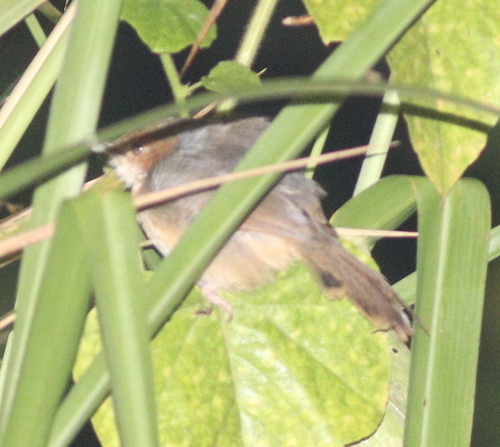
Red-faced Cisticola (Cisticola erythrops) Red-faced Cisticola
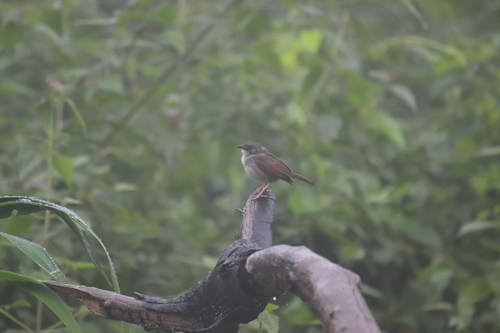
Whistling Cisticola (Cisticola lateralis) Whistling Cisticola

Media

Loading…

In short

The most reliable way to separate Red-faced Cisticola from Whistling Cisticola is by focusing on facial and underpart color: Red-faced Cisticola shows a distinctive reddish face, while Whistling Cisticola lacks this, instead showing gray-brown cheeks and a sooty-brown crown in breeding males. Juvenile Whistling Cisticolas are washed yellow below, while Red-faced Cisticola juveniles are not described as such. Habitat can also help: Red-faced prefers wetter grasslands and swamps, while Whistling is found in drier forests and savannas. Structure and size overlap, but subtle differences in bill and body shape may be noted with experience.

Identification tips

  1. Red face vs. gray-brown cheeks: Red-faced Cisticola has a distinctive reddish face at all ages and seasons, while Whistling Cisticola never shows this; instead, breeding males have gray-brown cheeks and a sooty-brown crown. This is the single most useful mark in perched birds.
  2. Juvenile underparts: Juvenile Whistling Cisticolas are washed yellow below, sometimes with bright red on the underparts, and have brown bills with yellow; Red-faced Cisticola juveniles are not described as yellow below. If you see a yellow-bellied juvenile cisticola, suspect Whistling.
  3. Adult underparts and throat: Breeding male Whistling Cisticola has a white throat and sooty-brown underparts, while Red-faced Cisticola is not described as having a white throat or sooty underparts. Non-breeding Whistling males are more reddish-brown above and richer buff below, but still lack a red face.
  4. Bill color: Whistling Cisticola males have a black bill in breeding plumage, while females and juveniles have browner bills. Red-faced Cisticola's bill color is not described as distinctive, so use with caution.
  5. Leg color: Whistling Cisticola males have dull pink legs, which may be visible at close range; this is not described for Red-faced Cisticola.
  6. Body shape: Female and juvenile Whistling Cisticolas are described as more slender than males; Red-faced Cisticola is not described as particularly slender or robust, so this is a minor point.
  7. Tail and crown: Whistling Cisticola has a gray-brown tail and sooty-brown crown in breeding males; Red-faced Cisticola's crown color is not specified but is not described as sooty.
  8. Habitat: In swampy, flooded, or very wet grassland, Red-faced Cisticola is more likely; in drier forest, dry or moist savanna, or rainforest edge, Whistling Cisticola is favored.
  9. Geographic range: Red-faced Cisticola is rare in southern Africa; Whistling Cisticola is more widespread in the African tropical rainforest zone and adjacent savannas.
  10. Seasonal change: Whistling Cisticola males change from gray-brown/sooty in breeding to more reddish-brown and buff in non-breeding; Red-faced Cisticola's facial color remains diagnostic year-round.
  11. No distinctive flight pattern: Neither species is described with a unique upperwing or flight mark, so do not rely on in-flight wing pattern for separation.
  12. Voice: Not described in the notes; do not use unless you have local experience.
  13. Pitfalls: Immature Whistling Cisticolas may appear more colorful below than expected; always check for the red face in Red-faced. Habitat can mislead if the site is an ecotone between wet and dry grassland.
  14. Sex differences: Whistling Cisticola females are paler and more slender than males, with a browner bill; Red-faced Cisticola is not described as sexually dimorphic in these features.
  15. Display behavior: Whistling Cisticola males may sing from raised perches and display in flight, but this is not unique among cisticolas.

Size

Whistling Cisticola is a mid-sized cisticola, with males measuring 13–16 cm in length and weighing 14–21 grams, females 12–19 grams [wikipedia]. No direct measurements are given for Red-faced Cisticola in the notes, but both are similar small passerines. Size alone is not a reliable separator in the field, as overlap is likely and both are small, slim birds.

Plumage

Juvenile Whistling Cisticolas are notably washed yellow below, with brown bills tinged with yellow and sometimes bright red underparts, which is not described for Red-faced Cisticola. Adult Whistling Cisticola breeding males have gray-brown cheeks, a sooty-brown crown and underparts, a white throat, black bill, and dull pink legs. In non-breeding season, males become more reddish-brown above with a richer buff below and gray on the breast. Females are paler, more slender, and have a browner bill. Red-faced Cisticola is defined by its reddish face, which is not present in Whistling Cisticola at any age or season. No distinctive upperwing or flight pattern is described for either species, so separation relies on head and underpart coloration, especially in perched birds.

Behaviour

Both species are typical cisticolas in behavior, often skulking in grass or low vegetation but singing from exposed perches during the breeding season. Whistling Cisticola males are noted for singing from raised perches and making display flights. Nesting behavior is not likely to be diagnostic in the field. Both can be elusive when not singing.

Habitat

Red-faced Cisticola is found in seasonally wet or flooded lowland grasslands and swamps, and is rare in southern Africa [wikipedia]. Whistling Cisticola prefers African tropical rainforest edges, dry forests, dry savanna, and moist savanna. If you find the bird in a swampy or flooded grassland, Red-faced is more likely; in drier forest or savanna, Whistling is favored. However, some overlap in moist grassland edges is possible.

Submit a better description

Use the same sections as the comparison. Your text is published immediately.

The most reliable way to separate Red-faced Cisticola from Whistling Cisticola is by focusing on facial and underpart color: Red-faced Cisticola shows a distinctive reddish face, while Whistling Cisticola lacks this, instead showing gray-brown cheeks and a sooty-brown crown in breeding males. Juvenile Whistling Cisticolas are washed yellow below, while Red-faced Cisticola juveniles are not described as such. Habitat can also help: Red-faced prefers wetter grasslands and swamps, while Whistling is found in drier forests and savannas. Structure and size overlap, but subtle differences in bill and body shape may be noted with experience.

  1. Red face vs. gray-brown cheeks: Red-faced Cisticola has a distinctive reddish face at all ages and seasons, while Whistling Cisticola never shows this; instead, breeding males have gray-brown cheeks and a sooty-brown crown. This is the single most useful mark in perched birds.
  2. Juvenile underparts: Juvenile Whistling Cisticolas are washed yellow below, sometimes with bright red on the underparts, and have brown bills with yellow; Red-faced Cisticola juveniles are not described as yellow below. If you see a yellow-bellied juvenile cisticola, suspect Whistling.
  3. Adult underparts and throat: Breeding male Whistling Cisticola has a white throat and sooty-brown underparts, while Red-faced Cisticola is not described as having a white throat or sooty underparts. Non-breeding Whistling males are more reddish-brown above and richer buff below, but still lack a red face.
  4. Bill color: Whistling Cisticola males have a black bill in breeding plumage, while females and juveniles have browner bills. Red-faced Cisticola's bill color is not described as distinctive, so use with caution.
  5. Leg color: Whistling Cisticola males have dull pink legs, which may be visible at close range; this is not described for Red-faced Cisticola.
  6. Body shape: Female and juvenile Whistling Cisticolas are described as more slender than males; Red-faced Cisticola is not described as particularly slender or robust, so this is a minor point.
  7. Tail and crown: Whistling Cisticola has a gray-brown tail and sooty-brown crown in breeding males; Red-faced Cisticola's crown color is not specified but is not described as sooty.
  8. Habitat: In swampy, flooded, or very wet grassland, Red-faced Cisticola is more likely; in drier forest, dry or moist savanna, or rainforest edge, Whistling Cisticola is favored.
  9. Geographic range: Red-faced Cisticola is rare in southern Africa; Whistling Cisticola is more widespread in the African tropical rainforest zone and adjacent savannas.
  10. Seasonal change: Whistling Cisticola males change from gray-brown/sooty in breeding to more reddish-brown and buff in non-breeding; Red-faced Cisticola's facial color remains diagnostic year-round.
  11. No distinctive flight pattern: Neither species is described with a unique upperwing or flight mark, so do not rely on in-flight wing pattern for separation.
  12. Voice: Not described in the notes; do not use unless you have local experience.
  13. Pitfalls: Immature Whistling Cisticolas may appear more colorful below than expected; always check for the red face in Red-faced. Habitat can mislead if the site is an ecotone between wet and dry grassland.
  14. Sex differences: Whistling Cisticola females are paler and more slender than males, with a browner bill; Red-faced Cisticola is not described as sexually dimorphic in these features.
  15. Display behavior: Whistling Cisticola males may sing from raised perches and display in flight, but this is not unique among cisticolas.

Whistling Cisticola is a mid-sized cisticola, with males measuring 13–16 cm in length and weighing 14–21 grams, females 12–19 grams [wikipedia]. No direct measurements are given for Red-faced Cisticola in the notes, but both are similar small passerines. Size alone is not a reliable separator in the field, as overlap is likely and both are small, slim birds.

Juvenile Whistling Cisticolas are notably washed yellow below, with brown bills tinged with yellow and sometimes bright red underparts, which is not described for Red-faced Cisticola. Adult Whistling Cisticola breeding males have gray-brown cheeks, a sooty-brown crown and underparts, a white throat, black bill, and dull pink legs. In non-breeding season, males become more reddish-brown above with a richer buff below and gray on the breast. Females are paler, more slender, and have a browner bill. Red-faced Cisticola is defined by its reddish face, which is not present in Whistling Cisticola at any age or season. No distinctive upperwing or flight pattern is described for either species, so separation relies on head and underpart coloration, especially in perched birds.

Both species are typical cisticolas in behavior, often skulking in grass or low vegetation but singing from exposed perches during the breeding season. Whistling Cisticola males are noted for singing from raised perches and making display flights. Nesting behavior is not likely to be diagnostic in the field. Both can be elusive when not singing.

Red-faced Cisticola is found in seasonally wet or flooded lowland grasslands and swamps, and is rare in southern Africa [wikipedia]. Whistling Cisticola prefers African tropical rainforest edges, dry forests, dry savanna, and moist savanna. If you find the bird in a swampy or flooded grassland, Red-faced is more likely; in drier forest or savanna, Whistling is favored. However, some overlap in moist grassland edges is possible.

Discard your changes?

You have unsaved edits. If you leave now, those changes will be lost.

Red-faced Cisticola · Whistling Cisticola · My Tricky Birds