

Motmot

アカガオセッカ 対 ススイロセッカ

Cisticola erythrops 対 Cisticola lateralis

アカガオセッカとススイロセッカのクイズ
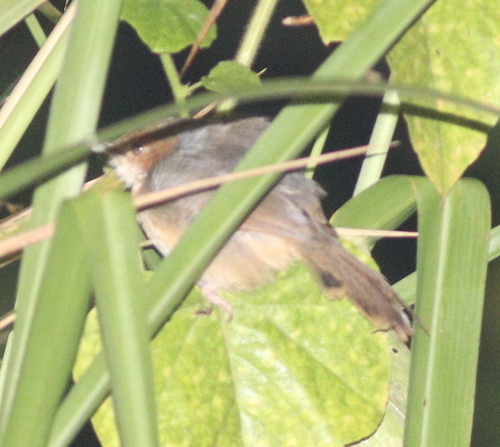
アカガオセッカ (Cisticola erythrops) アカガオセッカ
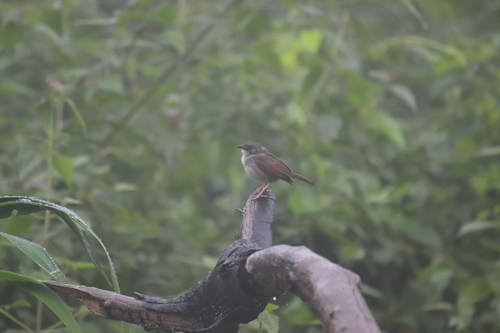
ススイロセッカ (Cisticola lateralis) ススイロセッカ

メディア

読み込み中…

要点

アカガオセッカとススイロセッカを区別する最も信頼できる方法は、顔と腹部の色に注目することです:アカガオセッカは特徴的な赤い顔を示しますが、ススイロセッカはこれを欠き、代わりに繁殖期のオスは灰褐色の頬とすすけた茶色の冠を示します。幼鳥のススイロセッカは下部が黄色がかっていますが、アカガオセッカの幼鳥はそのようには記述されていません。生息地も役立ちます:アカガオセッカは湿った草原や湿地を好み、ススイロセッカは乾燥した森林やサバンナに見られます。構造とサイズは重なりますが、くちばしや体形の微妙な違いは経験によって認識されるかもしれません。

識別のコツ

  1. 赤い顔と灰褐色の頬: アカガオセッカはすべての年齢と季節で特徴的な赤い顔を持っていますが、ススイロセッカはこれを示しません。代わりに、繁殖期のオスは灰褐色の頬とすすけた茶色の冠を持っています。これは止まっている鳥において最も有用な特徴です。
  2. 幼鳥の腹部: 幼鳥のススイロセッカは下部が黄色がかっており、時には腹部に明るい赤があり、黄色のくちばしを持っています。アカガオセッカの幼鳥は下部が黄色であるとは記述されていません。黄色い腹を持つ幼鳥のセッカを見た場合、ススイロセッカを疑ってください。
  3. 成鳥の腹部と喉: 繁殖期のオスのススイロセッカは白い喉とすすけた茶色の腹部を持っていますが、アカガオセッカは白い喉やすすけた腹部を持つとは記述されていません。非繁殖期のススイロセッカのオスは上部がより赤褐色で、下部がより豊かなバフ色ですが、赤い顔は依然として欠けています。
  4. くちばしの色: 繁殖羽のススイロセッカのオスは黒いくちばしを持っていますが、メスと幼鳥はより茶色いくちばしを持っています。アカガオセッカのくちばしの色は特徴的とは記述されていないので、注意して使用してください。
  5. 脚の色: ススイロセッカのオスは鈍いピンクの脚を持っており、近距離で見えることがあります。これはアカガオセッカには記述されていません。
  6. 体形: メスと幼鳥のススイロセッカはオスよりも細身であると記述されています。アカガオセッカは特に細身または頑丈とは記述されていないので、これは小さなポイントです。
  7. 尾と冠: 繁殖期のオスのススイロセッカは灰褐色の尾とすすけた茶色の冠を持っています。アカガオセッカの冠の色は指定されていませんが、すすけたとは記述されていません。
  8. 生息地: 湿った、洪水のある、または非常に湿った草原では、アカガオセッカがより可能性が高いです。乾燥した森林、乾燥または湿ったサバンナ、または熱帯雨林の端では、ススイロセッカが好まれます。
  9. 地理的範囲: アカガオセッカは南アフリカでは珍しいです。ススイロセッカはアフリカの熱帯雨林帯と隣接するサバンナに広く分布しています。
  10. 季節変化: ススイロセッカのオスは繁殖期に灰褐色/すすけたからより赤褐色とバフ色に変化しますが、アカガオセッカの顔の色は年間を通じて診断的です。
  11. 特徴的な飛行パターンなし: どちらの種も独自の上翼や飛行マークで記述されていないので、飛行中の翼のパターンに頼って区別しないでください。
  12. 声: メモには記述されていません。地元の経験がない限り使用しないでください。
  13. 落とし穴: 未熟なススイロセッカは予想以上に下部がカラフルに見えることがあります。アカガオセッカの赤い顔を常に確認してください。生息地は、湿った草原と乾燥した草原のエコトーンの場所で誤解を招く可能性があります。
  14. 性差: ススイロセッカのメスはオスよりも色が薄く、より細身で、くちばしは茶色がかっています。アカガオセッカはこれらの特徴において性差があるとは記述されていません。
  15. ディスプレイ行動: ススイロセッカのオスは高い止まり木から歌ったり、飛行中にディスプレイを行ったりすることがありますが、これはセッカの中では特有ではありません。

大きさ

ススイロセッカは中型のセッカで、オスは13〜16 cmの長さで、体重は14〜21グラム、メスは12〜19グラムです [wikipedia]。メモにはアカガオセッカの直接的な測定値は記載されていませんが、どちらも似たような小型のスズメ科の鳥です。サイズだけではフィールドでの信頼できる区別にはならず、重なりがある可能性が高く、どちらも小さく、細身の鳥です。

羽色

幼鳥のススイロセッカは下部が特に黄色がかっており、茶色いくちばしは黄色がかっており、時には明るい赤の腹部がありますが、これはアカガオセッカには記述されていません。成鳥のススイロセッカの繁殖期のオスは灰褐色の頬、すすけた茶色の冠と腹部、白い喉、黒いくちばし、鈍いピンクの脚を持っています。非繁殖期には、オスは上部がより赤褐色になり、下部がより豊かなバフ色になり、胸は灰色になります。メスは色が薄く、より細身で、茶色いくちばしを持っています。アカガオセッカはその赤い顔によって定義されており、これはススイロセッカにはどの年齢や季節でも存在しません。どちらの種にも特徴的な上翼や飛行パターンは記述されていないため、区別は特に止まっている鳥の頭部と腹部の色に依存します。

行動

どちらの種も行動において典型的なセッカであり、草や低い植生の中で隠れることが多いですが、繁殖期には露出した止まり木から歌います。ススイロセッカのオスは高い止まり木から歌ったり、ディスプレイフライトを行ったりすることで知られています。巣作りの行動はフィールドでの診断にはならない可能性があります。どちらも歌っていないときは見つけにくいことがあります。

生息環境

アカガオセッカは季節的に湿ったまたは洪水のある低地の草原や湿地に生息し、南アフリカでは珍しいです [wikipedia]。ススイロセッカはアフリカの熱帯雨林の端、乾燥した森林、乾燥したサバンナ、湿ったサバンナを好みます。湿った草原や洪水のある草原で鳥を見つけた場合、アカガオセッカの可能性が高いです。乾燥した森林やサバンナでは、ススイロセッカが好まれます。ただし、湿った草原の端での重なりがある可能性があります。

より良い説明を送る

比較と同じ項目を使ってください。文章はすぐに公開されます。

The most reliable way to separate Red-faced Cisticola from Whistling Cisticola is by focusing on facial and underpart color: Red-faced Cisticola shows a distinctive reddish face, while Whistling Cisticola lacks this, instead showing gray-brown cheeks and a sooty-brown crown in breeding males. Juvenile Whistling Cisticolas are washed yellow below, while Red-faced Cisticola juveniles are not described as such. Habitat can also help: Red-faced prefers wetter grasslands and swamps, while Whistling is found in drier forests and savannas. Structure and size overlap, but subtle differences in bill and body shape may be noted with experience.

  1. Red face vs. gray-brown cheeks: Red-faced Cisticola has a distinctive reddish face at all ages and seasons, while Whistling Cisticola never shows this; instead, breeding males have gray-brown cheeks and a sooty-brown crown. This is the single most useful mark in perched birds.
  2. Juvenile underparts: Juvenile Whistling Cisticolas are washed yellow below, sometimes with bright red on the underparts, and have brown bills with yellow; Red-faced Cisticola juveniles are not described as yellow below. If you see a yellow-bellied juvenile cisticola, suspect Whistling.
  3. Adult underparts and throat: Breeding male Whistling Cisticola has a white throat and sooty-brown underparts, while Red-faced Cisticola is not described as having a white throat or sooty underparts. Non-breeding Whistling males are more reddish-brown above and richer buff below, but still lack a red face.
  4. Bill color: Whistling Cisticola males have a black bill in breeding plumage, while females and juveniles have browner bills. Red-faced Cisticola's bill color is not described as distinctive, so use with caution.
  5. Leg color: Whistling Cisticola males have dull pink legs, which may be visible at close range; this is not described for Red-faced Cisticola.
  6. Body shape: Female and juvenile Whistling Cisticolas are described as more slender than males; Red-faced Cisticola is not described as particularly slender or robust, so this is a minor point.
  7. Tail and crown: Whistling Cisticola has a gray-brown tail and sooty-brown crown in breeding males; Red-faced Cisticola's crown color is not specified but is not described as sooty.
  8. Habitat: In swampy, flooded, or very wet grassland, Red-faced Cisticola is more likely; in drier forest, dry or moist savanna, or rainforest edge, Whistling Cisticola is favored.
  9. Geographic range: Red-faced Cisticola is rare in southern Africa; Whistling Cisticola is more widespread in the African tropical rainforest zone and adjacent savannas.
  10. Seasonal change: Whistling Cisticola males change from gray-brown/sooty in breeding to more reddish-brown and buff in non-breeding; Red-faced Cisticola's facial color remains diagnostic year-round.
  11. No distinctive flight pattern: Neither species is described with a unique upperwing or flight mark, so do not rely on in-flight wing pattern for separation.
  12. Voice: Not described in the notes; do not use unless you have local experience.
  13. Pitfalls: Immature Whistling Cisticolas may appear more colorful below than expected; always check for the red face in Red-faced. Habitat can mislead if the site is an ecotone between wet and dry grassland.
  14. Sex differences: Whistling Cisticola females are paler and more slender than males, with a browner bill; Red-faced Cisticola is not described as sexually dimorphic in these features.
  15. Display behavior: Whistling Cisticola males may sing from raised perches and display in flight, but this is not unique among cisticolas.

Whistling Cisticola is a mid-sized cisticola, with males measuring 13–16 cm in length and weighing 14–21 grams, females 12–19 grams [wikipedia]. No direct measurements are given for Red-faced Cisticola in the notes, but both are similar small passerines. Size alone is not a reliable separator in the field, as overlap is likely and both are small, slim birds.

Juvenile Whistling Cisticolas are notably washed yellow below, with brown bills tinged with yellow and sometimes bright red underparts, which is not described for Red-faced Cisticola. Adult Whistling Cisticola breeding males have gray-brown cheeks, a sooty-brown crown and underparts, a white throat, black bill, and dull pink legs. In non-breeding season, males become more reddish-brown above with a richer buff below and gray on the breast. Females are paler, more slender, and have a browner bill. Red-faced Cisticola is defined by its reddish face, which is not present in Whistling Cisticola at any age or season. No distinctive upperwing or flight pattern is described for either species, so separation relies on head and underpart coloration, especially in perched birds.

Both species are typical cisticolas in behavior, often skulking in grass or low vegetation but singing from exposed perches during the breeding season. Whistling Cisticola males are noted for singing from raised perches and making display flights. Nesting behavior is not likely to be diagnostic in the field. Both can be elusive when not singing.

Red-faced Cisticola is found in seasonally wet or flooded lowland grasslands and swamps, and is rare in southern Africa [wikipedia]. Whistling Cisticola prefers African tropical rainforest edges, dry forests, dry savanna, and moist savanna. If you find the bird in a swampy or flooded grassland, Red-faced is more likely; in drier forest or savanna, Whistling is favored. However, some overlap in moist grassland edges is possible.

変更を破棄しますか?

保存していない編集があります。今離れると失われます。

アカガオセッカ · ススイロセッカ · 苦手な鳥