

Motmot

Red-browed Pardalote vs Striated Pardalote

Pardalotus rubricatus versus Pardalotus striatus

Play a quiz with Red-browed Pardalote and Striated Pardalote
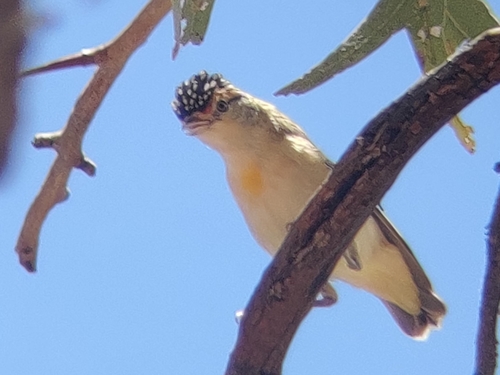
Red-browed Pardalote (Pardalotus rubricatus) Red-browed Pardalote
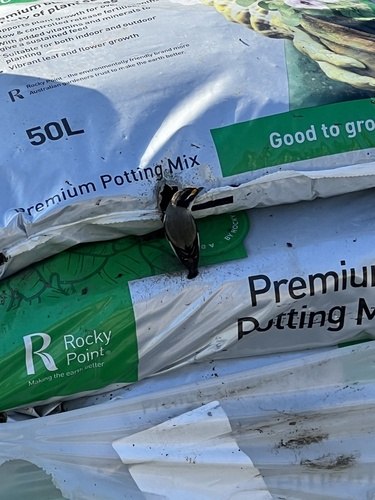
Striated Pardalote (Pardalotus striatus) Striated Pardalote

Media

Loading…

In short

To separate Red-browed Pardalote from Striated Pardalote, focus first on the eyebrow: Red-browed shows a bright red or orange-red brow, while Striated has a mostly white eyebrow with only a yellow spot at the base. In flight or perched, Red-browed is more brightly coloured overall, with a yellow breast patch and yellow wing panel, compared to the Striated's more subdued olive back and white wing stripe. Juveniles of both species are duller, but the red or orange brow of Red-browed (though paler in young birds) remains a key mark. Both species forage high in eucalypts, but Striated is much more common and widespread. Calls differ: Red-browed gives a five or six note rising song, while Striated repeats a clear 'witta-witta' with a lower second note.

Identification tips

  1. Eyebrow colour is the single most reliable mark: Red-browed always shows a red or orange-red brow (adults and juveniles, though duller in young), while Striated has a white eyebrow with only a yellow spot at the base near the bill. This is visible both perched and in good flight views.
  2. Crown pattern: Red-browed has a black crown with bold white spots (adults), while Striated's crown is black with white streaks (in substriatus, striatus, ornatus) or plain in other subspecies. The crown pattern is often subtle at a distance.
  3. Wing panel/stripe: Red-browed shows a yellow (or orange in yorki) wing panel; Striated always has a white wing stripe, with a yellow or red spot depending on subspecies. The overall effect is a brighter wing panel in Red-browed versus a crisp white stripe in Striated.
  4. Breast patch: Red-browed has a yellow breast patch (especially bright in yorki), absent in Striated, which has a plain pale underpart.
  5. Supercilium: Red-browed's supercilium is yellow to buff, blending into the red brow; Striated's is white, starting with a yellow mark at the base.
  6. Back colour: Red-browed's back is not described in detail, but Striated always has an olive back, which can help in side views.
  7. Juvenile marks: Juvenile Red-browed is paler, with a duller orange-yellow brow and less crown spotting, but still shows some red in the brow. Juvenile Striated is simply a duller version of the adult, with the same eyebrow and wing stripe pattern.
  8. Iris colour: Red-browed adults have a pale iris; juveniles have olive to pale olive. Striated iris colour is not described as diagnostic.
  9. Bill shape: Red-browed is noted for a 'scoop-shaped' bill, but this is subtle and not easily seen in the field compared to Striated.
  10. Tail and structure: Striated is described as very small and short-tailed; Red-browed is slightly larger but both are compact, so this is not a strong field mark.
  11. Vocalizations: Red-browed gives a rising, multi-note song (first note longer and lower), while Striated repeats a sharp 'witta-witta' with a lower second note. If you hear the call, it is often diagnostic.
  12. Habitat and abundance: If you are in a wide range of habitats or in southern/eastern Australia, Striated is far more likely. Red-browed is more restricted to certain eucalypt habitats and is less common overall.
  13. Group size: Both can be in small groups, but Striated is often more numerous and noisy.
  14. Pitfalls: Beware of dull juveniles; always look for the presence or absence of red in the brow. Wing panel/stripe can be confusing in poor light, so use multiple marks.
  15. No seasonal or sex-based plumage differences: Both sexes look alike and plumage does not change seasonally, so all marks apply year-round.

Size

Red-browed Pardalote is slightly larger on average (adult length about 105 mm, wingspan 60–66 mm, mass ~10.9 g) compared to Striated Pardalote (which is described as very small and short-tailed, but no precise measurements given here). In practice, size difference is subtle and unreliable in the field, especially without direct comparison. Both are small, compact birds.

Plumage

Juvenile Red-browed Pardalotes are paler than adults, with a dull orange-yellow brow and less distinct crown spotting; their iris is darker (olive to pale olive). Adult Red-browed shows a black crown with bold white spots, a red to orange-red brow, yellow to buff supercilium, yellow breast patch, and yellow wing panel. Subspecies yorki is even brighter, with a straw-brown/yellow iris, fine crown spots, and an orange wing panel. Striated Pardalote adults vary by subspecies, but all have a black crown (with white streaks in some races), a mostly white eyebrow starting with a yellow mark near the beak, a white wing stripe, and olive back. The nominate Striated has a yellow wing spot; other subspecies have a red dot. Juveniles of Striated are duller overall but retain the white eyebrow and wing stripe. No seasonal or sex-based plumage differences are noted for either species.

Behaviour

Both species forage mainly in the canopy of eucalypt trees, gleaning insects and lerps. Red-browed Pardalotes are usually seen singly, in pairs, or small groups (up to six), and are sedentary, holding territories year-round. Striated Pardalotes are more often heard than seen, foraging noisily in small groups and sometimes coming lower in the foliage. Both can be active and agile, but Striated is described as particularly common and vocal.

Habitat

Red-browed Pardalote is endemic to Australia and strongly associated with eucalypt trees, usually in more arid or interior regions. Striated Pardalote is also found throughout Australia (except some WA deserts), occupying a wider range of habitats from rainforests to arid scrub, but always favouring eucalypt woodlands. Striated is much more widespread and common, so context can help: in most places, a pardalote is more likely to be Striated unless in the Red-browed's core range.

Voice

Red-browed Pardalote gives a distinctive five or six note song, with the first note longer and lower, followed by notes that rise in pitch and speed. It has been compared to a rosella's call. Striated Pardalote gives a clear, sharp, musical 'witta-witta', with the second part lower, repeated regularly, and also produces soft, low trills. Vocalizations are quite different and can be diagnostic if heard well.

Submit a better description

Use the same sections as the comparison. Your text is published immediately.

To separate Red-browed Pardalote from Striated Pardalote, focus first on the eyebrow: Red-browed shows a bright red or orange-red brow, while Striated has a mostly white eyebrow with only a yellow spot at the base. In flight or perched, Red-browed is more brightly coloured overall, with a yellow breast patch and yellow wing panel, compared to the Striated's more subdued olive back and white wing stripe. Juveniles of both species are duller, but the red or orange brow of Red-browed (though paler in young birds) remains a key mark. Both species forage high in eucalypts, but Striated is much more common and widespread. Calls differ: Red-browed gives a five or six note rising song, while Striated repeats a clear 'witta-witta' with a lower second note.

  1. Eyebrow colour is the single most reliable mark: Red-browed always shows a red or orange-red brow (adults and juveniles, though duller in young), while Striated has a white eyebrow with only a yellow spot at the base near the bill. This is visible both perched and in good flight views.
  2. Crown pattern: Red-browed has a black crown with bold white spots (adults), while Striated's crown is black with white streaks (in substriatus, striatus, ornatus) or plain in other subspecies. The crown pattern is often subtle at a distance.
  3. Wing panel/stripe: Red-browed shows a yellow (or orange in yorki) wing panel; Striated always has a white wing stripe, with a yellow or red spot depending on subspecies. The overall effect is a brighter wing panel in Red-browed versus a crisp white stripe in Striated.
  4. Breast patch: Red-browed has a yellow breast patch (especially bright in yorki), absent in Striated, which has a plain pale underpart.
  5. Supercilium: Red-browed's supercilium is yellow to buff, blending into the red brow; Striated's is white, starting with a yellow mark at the base.
  6. Back colour: Red-browed's back is not described in detail, but Striated always has an olive back, which can help in side views.
  7. Juvenile marks: Juvenile Red-browed is paler, with a duller orange-yellow brow and less crown spotting, but still shows some red in the brow. Juvenile Striated is simply a duller version of the adult, with the same eyebrow and wing stripe pattern.
  8. Iris colour: Red-browed adults have a pale iris; juveniles have olive to pale olive. Striated iris colour is not described as diagnostic.
  9. Bill shape: Red-browed is noted for a 'scoop-shaped' bill, but this is subtle and not easily seen in the field compared to Striated.
  10. Tail and structure: Striated is described as very small and short-tailed; Red-browed is slightly larger but both are compact, so this is not a strong field mark.
  11. Vocalizations: Red-browed gives a rising, multi-note song (first note longer and lower), while Striated repeats a sharp 'witta-witta' with a lower second note. If you hear the call, it is often diagnostic.
  12. Habitat and abundance: If you are in a wide range of habitats or in southern/eastern Australia, Striated is far more likely. Red-browed is more restricted to certain eucalypt habitats and is less common overall.
  13. Group size: Both can be in small groups, but Striated is often more numerous and noisy.
  14. Pitfalls: Beware of dull juveniles; always look for the presence or absence of red in the brow. Wing panel/stripe can be confusing in poor light, so use multiple marks.
  15. No seasonal or sex-based plumage differences: Both sexes look alike and plumage does not change seasonally, so all marks apply year-round.

Red-browed Pardalote is slightly larger on average (adult length about 105 mm, wingspan 60–66 mm, mass ~10.9 g) compared to Striated Pardalote (which is described as very small and short-tailed, but no precise measurements given here). In practice, size difference is subtle and unreliable in the field, especially without direct comparison. Both are small, compact birds.

Juvenile Red-browed Pardalotes are paler than adults, with a dull orange-yellow brow and less distinct crown spotting; their iris is darker (olive to pale olive). Adult Red-browed shows a black crown with bold white spots, a red to orange-red brow, yellow to buff supercilium, yellow breast patch, and yellow wing panel. Subspecies yorki is even brighter, with a straw-brown/yellow iris, fine crown spots, and an orange wing panel. Striated Pardalote adults vary by subspecies, but all have a black crown (with white streaks in some races), a mostly white eyebrow starting with a yellow mark near the beak, a white wing stripe, and olive back. The nominate Striated has a yellow wing spot; other subspecies have a red dot. Juveniles of Striated are duller overall but retain the white eyebrow and wing stripe. No seasonal or sex-based plumage differences are noted for either species.

Both species forage mainly in the canopy of eucalypt trees, gleaning insects and lerps. Red-browed Pardalotes are usually seen singly, in pairs, or small groups (up to six), and are sedentary, holding territories year-round. Striated Pardalotes are more often heard than seen, foraging noisily in small groups and sometimes coming lower in the foliage. Both can be active and agile, but Striated is described as particularly common and vocal.

Red-browed Pardalote is endemic to Australia and strongly associated with eucalypt trees, usually in more arid or interior regions. Striated Pardalote is also found throughout Australia (except some WA deserts), occupying a wider range of habitats from rainforests to arid scrub, but always favouring eucalypt woodlands. Striated is much more widespread and common, so context can help: in most places, a pardalote is more likely to be Striated unless in the Red-browed's core range.

Red-browed Pardalote gives a distinctive five or six note song, with the first note longer and lower, followed by notes that rise in pitch and speed. It has been compared to a rosella's call. Striated Pardalote gives a clear, sharp, musical 'witta-witta', with the second part lower, repeated regularly, and also produces soft, low trills. Vocalizations are quite different and can be diagnostic if heard well.

Discard your changes?

You have unsaved edits. If you leave now, those changes will be lost.

Red-browed Pardalote · Striated Pardalote · My Tricky Birds