

Motmot

アカマユホウセキドリ 対 キボシホウセキドリ

Pardalotus rubricatus 対 Pardalotus striatus

アカマユホウセキドリとキボシホウセキドリのクイズ
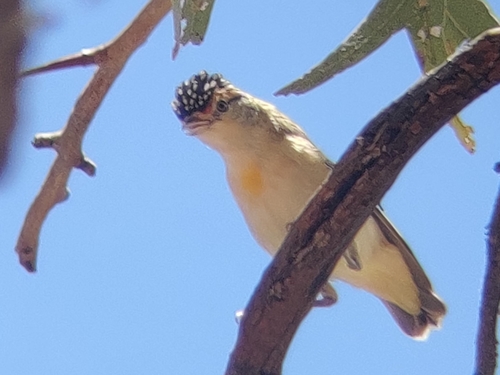
アカマユホウセキドリ (Pardalotus rubricatus) アカマユホウセキドリ
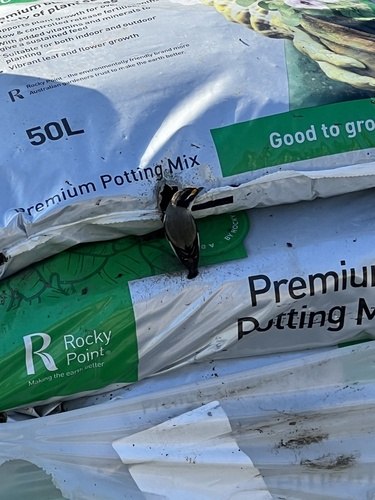
キボシホウセキドリ (Pardalotus striatus) キボシホウセキドリ

メディア

読み込み中…

要点

アカマユホウセキドリとキボシホウセキドリを区別するには、まず眉に注目してください:アカマユは明るい赤またはオレンジ赤の眉を示し、キボシはほとんど白い眉で、基部に黄色の斑点があります。飛んでいる時や止まっている時、アカマユは全体的により明るい色合いで、黄色の胸の斑点と黄色の翼のパネルを持ち、キボシのより控えめなオリーブ色の背中と白い翼のストライプと比較されます。両種の幼鳥はより地味ですが、アカマユの赤またはオレンジの眉(若鳥では淡いですが)は重要な特徴です。両種はユーカリの高いところで餌を探しますが、キボシははるかに一般的で広範囲に分布しています。鳴き声は異なります:アカマユは5音または6音の上昇する歌を発し、キボシは低い2音目を伴う明瞭な「ウィッタ・ウィッタ」を繰り返します。

識別のコツ

  1. 眉の色は最も信頼できる特徴です: アカマユは常に赤またはオレンジ赤の眉を示し(成鳥と幼鳥、若鳥では地味ですが)、キボシは嘴の近くの基部に黄色の斑点がある白い眉を持っています。これは止まっている時や良好な飛行視界でも確認できます。
  2. 冠の模様: アカマユは大胆な白い斑点のある黒い冠を持ち(成鳥)、キボシの冠は黒で白い筋があり(substriatus、striatus、ornatus)、他の亜種では単純です。冠の模様は距離があると微妙なことが多いです。
  3. 翼のパネル/ストライプ: アカマユは黄色(またはオレンジのyorki)翼のパネルを示し、キボシは常に白い翼のストライプを持ち、亜種によって黄色または赤の斑点があります。全体的な効果は、アカマユの方が明るい翼のパネルで、キボシは鮮明な白いストライプです。
  4. 胸の斑点: アカマユは黄色の胸の斑点を持ち(特にyorkiでは明るい)、キボシには存在せず、平坦な淡い腹部があります。
  5. スーパーシリウム: アカマユのスーパーシリウムは黄色からバフ色で、赤い眉に溶け込んでいます;キボシのは白で、基部に黄色の斑点があります。
  6. 背中の色: アカマユの背中は詳細に記述されていませんが、キボシは常にオリーブ色の背中を持ち、側面からの視界で役立ちます。
  7. 幼鳥の特徴: 幼鳥のアカマユは淡く、地味なオレンジ黄色の眉と少ない冠の斑点を持ちますが、眉にはまだ赤が見られます。幼鳥のキボシは単に成鳥の地味なバージョンで、同じ眉と翼のストライプの模様を持っています。
  8. 虹彩の色: アカマユの成鳥は淡い虹彩を持ち、幼鳥はオリーブから淡いオリーブです。キボシの虹彩の色は診断的とは記述されていません。
  9. 嘴の形: アカマユは「すくい形」の嘴が特徴ですが、これは微妙で、キボシと比較して野外では容易に見えません。
  10. 尾と構造: キボシは非常に小さく短い尾を持つと記述されており、アカマユはやや大きいですが、両者ともコンパクトであるため、これは強いフィールドマークではありません。
  11. 鳴き声: アカマユは上昇する多音の歌を発し(最初の音は長く低い)、キボシは鋭い「ウィッタ・ウィッタ」を低い2音目と共に繰り返します。呼び声を聞いた場合、それはしばしば診断的です。
  12. 生息地と豊富さ: 幅広い生息地にいる場合やオーストラリアの南部/東部にいる場合、キボシの方がはるかに可能性が高いです。アカマユは特定のユーカリの生息地に制限され、全体的に少ないです。
  13. 群れのサイズ: 両者は小さな群れで見られることがありますが、キボシはしばしば数が多く、騒がしいです。
  14. 落とし穴: 地味な幼鳥に注意してください;常に眉の赤の有無を探してください。翼のパネル/ストライプは光が悪いと混乱を招くことがあるので、複数の特徴を使用してください。
  15. 季節的または性別に基づく羽毛の違いはありません: 両性は似ており、羽毛は季節的に変化しないため、すべての特徴は年間を通じて適用されます。

大きさ

アカマユホウセキドリは平均してやや大きく(成鳥の長さは約105 mm、翼幅は60〜66 mm、質量は約10.9 g)、キボシホウセキドリ(非常に小さく短い尾と記述されていますが、ここでは正確な測定値は示されていません)と比較されます。実際には、サイズの違いは微妙で、特に直接比較がない場合、フィールドでは信頼できません。両者とも小さく、コンパクトな鳥です。

羽色

幼鳥のアカマユホウセキドリは成鳥よりも淡く、地味なオレンジ黄色の眉とあまり目立たない冠の斑点を持ち、虹彩は暗い(オリーブから淡いオリーブ)です。成鳥のアカマユは大胆な白い斑点のある黒い冠、赤からオレンジ赤の眉、黄色からバフ色のスーパーシリウム、黄色の胸の斑点、黄色の翼のパネルを示します。亜種のyorkiはさらに明るく、ストロー茶色/黄色の虹彩、細かい冠の斑点、オレンジの翼のパネルを持っています。キボシホウセキドリの成鳥は亜種によって異なりますが、すべて黒い冠(いくつかの亜種では白い筋があります)、嘴の近くに黄色の斑点があるほぼ白い眉、白い翼のストライプ、オリーブ色の背中を持っています。指名のキボシは黄色の翼の斑点があります;他の亜種は赤い点を持っています。キボシの幼鳥は全体的に地味ですが、白い眉と翼のストライプを保持しています。どちらの種にも季節的または性別に基づく羽毛の違いは記載されていません。

行動

両種は主にユーカリの木の樹冠で餌を探し、昆虫やレープを採取します。アカマユホウセキドリは通常、単独、ペア、または小さな群れ(最大6羽)で見られ、定住しており、年間を通じてテリトリーを保持します。キボシホウセキドリは見られるよりも聞かれることが多く、小さな群れで騒がしく餌を探し、時には葉の中で低く来ることがあります。両者とも活発で敏捷ですが、キボシは特に一般的で声が大きいと記述されています。

生息環境

アカマユホウセキドリはオーストラリア固有で、ユーカリの木と強く関連しており、通常はより乾燥した内陸地域に生息しています。キボシホウセキドリはオーストラリア全土(WAの一部の砂漠を除く)に分布し、熱帯雨林から乾燥した低木地まで幅広い生息地を占めていますが、常にユーカリの森林を好みます。キボシははるかに広範囲に分布し、一般的であるため、文脈が役立ちます:ほとんどの場所で、パーダロートはアカマユのコア範囲にいない限り、キボシである可能性が高いです。

声

アカマユホウセキドリは特徴的な5音または6音の歌を発し、最初の音は長く低く、次の音は音程と速度が上昇します。これはロゼラの呼び声に例えられています。キボシホウセキドリは明瞭で鋭い音楽的な「ウィッタ・ウィッタ」を発し、2番目の部分は低く、定期的に繰り返され、柔らかく低いトリルも生成します。鳴き声はかなり異なり、よく聞こえれば診断的です。

より良い説明を送る

比較と同じ項目を使ってください。文章はすぐに公開されます。

To separate Red-browed Pardalote from Striated Pardalote, focus first on the eyebrow: Red-browed shows a bright red or orange-red brow, while Striated has a mostly white eyebrow with only a yellow spot at the base. In flight or perched, Red-browed is more brightly coloured overall, with a yellow breast patch and yellow wing panel, compared to the Striated's more subdued olive back and white wing stripe. Juveniles of both species are duller, but the red or orange brow of Red-browed (though paler in young birds) remains a key mark. Both species forage high in eucalypts, but Striated is much more common and widespread. Calls differ: Red-browed gives a five or six note rising song, while Striated repeats a clear 'witta-witta' with a lower second note.

  1. Eyebrow colour is the single most reliable mark: Red-browed always shows a red or orange-red brow (adults and juveniles, though duller in young), while Striated has a white eyebrow with only a yellow spot at the base near the bill. This is visible both perched and in good flight views.
  2. Crown pattern: Red-browed has a black crown with bold white spots (adults), while Striated's crown is black with white streaks (in substriatus, striatus, ornatus) or plain in other subspecies. The crown pattern is often subtle at a distance.
  3. Wing panel/stripe: Red-browed shows a yellow (or orange in yorki) wing panel; Striated always has a white wing stripe, with a yellow or red spot depending on subspecies. The overall effect is a brighter wing panel in Red-browed versus a crisp white stripe in Striated.
  4. Breast patch: Red-browed has a yellow breast patch (especially bright in yorki), absent in Striated, which has a plain pale underpart.
  5. Supercilium: Red-browed's supercilium is yellow to buff, blending into the red brow; Striated's is white, starting with a yellow mark at the base.
  6. Back colour: Red-browed's back is not described in detail, but Striated always has an olive back, which can help in side views.
  7. Juvenile marks: Juvenile Red-browed is paler, with a duller orange-yellow brow and less crown spotting, but still shows some red in the brow. Juvenile Striated is simply a duller version of the adult, with the same eyebrow and wing stripe pattern.
  8. Iris colour: Red-browed adults have a pale iris; juveniles have olive to pale olive. Striated iris colour is not described as diagnostic.
  9. Bill shape: Red-browed is noted for a 'scoop-shaped' bill, but this is subtle and not easily seen in the field compared to Striated.
  10. Tail and structure: Striated is described as very small and short-tailed; Red-browed is slightly larger but both are compact, so this is not a strong field mark.
  11. Vocalizations: Red-browed gives a rising, multi-note song (first note longer and lower), while Striated repeats a sharp 'witta-witta' with a lower second note. If you hear the call, it is often diagnostic.
  12. Habitat and abundance: If you are in a wide range of habitats or in southern/eastern Australia, Striated is far more likely. Red-browed is more restricted to certain eucalypt habitats and is less common overall.
  13. Group size: Both can be in small groups, but Striated is often more numerous and noisy.
  14. Pitfalls: Beware of dull juveniles; always look for the presence or absence of red in the brow. Wing panel/stripe can be confusing in poor light, so use multiple marks.
  15. No seasonal or sex-based plumage differences: Both sexes look alike and plumage does not change seasonally, so all marks apply year-round.

Red-browed Pardalote is slightly larger on average (adult length about 105 mm, wingspan 60–66 mm, mass ~10.9 g) compared to Striated Pardalote (which is described as very small and short-tailed, but no precise measurements given here). In practice, size difference is subtle and unreliable in the field, especially without direct comparison. Both are small, compact birds.

Juvenile Red-browed Pardalotes are paler than adults, with a dull orange-yellow brow and less distinct crown spotting; their iris is darker (olive to pale olive). Adult Red-browed shows a black crown with bold white spots, a red to orange-red brow, yellow to buff supercilium, yellow breast patch, and yellow wing panel. Subspecies yorki is even brighter, with a straw-brown/yellow iris, fine crown spots, and an orange wing panel. Striated Pardalote adults vary by subspecies, but all have a black crown (with white streaks in some races), a mostly white eyebrow starting with a yellow mark near the beak, a white wing stripe, and olive back. The nominate Striated has a yellow wing spot; other subspecies have a red dot. Juveniles of Striated are duller overall but retain the white eyebrow and wing stripe. No seasonal or sex-based plumage differences are noted for either species.

Both species forage mainly in the canopy of eucalypt trees, gleaning insects and lerps. Red-browed Pardalotes are usually seen singly, in pairs, or small groups (up to six), and are sedentary, holding territories year-round. Striated Pardalotes are more often heard than seen, foraging noisily in small groups and sometimes coming lower in the foliage. Both can be active and agile, but Striated is described as particularly common and vocal.

Red-browed Pardalote is endemic to Australia and strongly associated with eucalypt trees, usually in more arid or interior regions. Striated Pardalote is also found throughout Australia (except some WA deserts), occupying a wider range of habitats from rainforests to arid scrub, but always favouring eucalypt woodlands. Striated is much more widespread and common, so context can help: in most places, a pardalote is more likely to be Striated unless in the Red-browed's core range.

Red-browed Pardalote gives a distinctive five or six note song, with the first note longer and lower, followed by notes that rise in pitch and speed. It has been compared to a rosella's call. Striated Pardalote gives a clear, sharp, musical 'witta-witta', with the second part lower, repeated regularly, and also produces soft, low trills. Vocalizations are quite different and can be diagnostic if heard well.

変更を破棄しますか?

保存していない編集があります。今離れると失われます。

アカマユホウセキドリ · キボシホウセキドリ · 苦手な鳥