

Motmot

Pine Bunting vs Grey-necked Bunting

Emberiza leucocephalos versus Emberiza buchanani

Play a quiz with Pine Bunting and Grey-necked Bunting
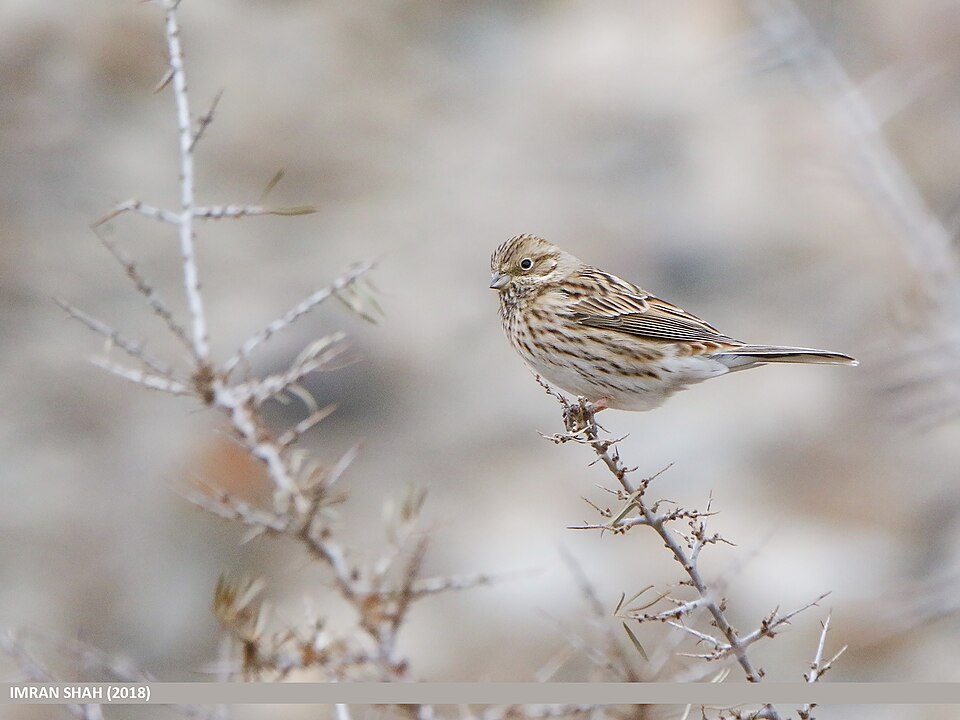
Pine Bunting (Emberiza leucocephalos) Pine Bunting
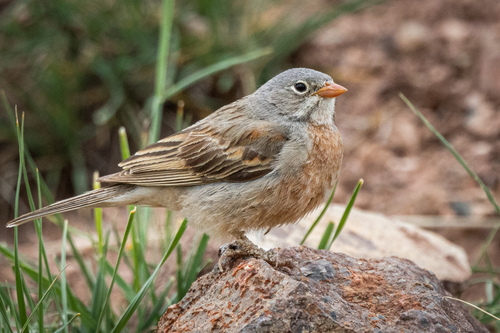
Grey-necked Bunting (Emberiza buchanani) Grey-necked Bunting

Media

Loading…

In short

The most reliable field mark to separate Pine Bunting from Grey-necked Bunting is the head and underpart pattern in adult males: Pine Bunting males show a white crown and cheeks with chestnut on the forehead and throat, while Grey-necked Bunting males have a uniform grey hood, a clear white eye-ring, and pinkish brown underparts. Females and non-breeding birds of both species are duller and more streaked, but Pine Bunting always lacks yellow tones (replaced by white), whereas Grey-necked Bunting shows a pinkish wash below and a white eye-ring. In flight, look for Pine Bunting’s heavier build and more robust bill compared to the slimmer, pink-billed Grey-necked. Both species can be confusing in non-breeding or immature plumages, but careful attention to head pattern and underpart color will usually resolve the ID.

Identification tips

  1. Adult male head pattern: Pine Bunting shows a white crown and cheeks with chestnut on the forehead and throat; Grey-necked Bunting has a uniform grey hood and a clear white eye-ring. This is the single best mark in spring and summer.
  2. Underpart color: Pine Bunting is white or off-white below (never yellow or pink), while Grey-necked Bunting is pinkish brown below with a pinkish throat and chin, especially in males.
  3. Bill structure: Pine Bunting has a thick, conical seed-eater’s bill; Grey-necked Bunting’s bill is longer, slimmer, and distinctly pink.
  4. Cheek and malar pattern: Pine Bunting males have white cheeks; Grey-necked Bunting males have a grey hood with a white eye-ring and grey malar stripes bordering the throat.
  5. Back and upperparts: Pine Bunting has a heavily streaked brown back; Grey-necked Bunting is greyish above with less prominent streaking.
  6. Female/immature confusion: Both species’ females are dull and streaked, but Pine Bunting females are more streaked below and lack any pinkish or yellow tones, while Grey-necked Bunting females can show a more obvious moustachial stripe and a pinkish wash to the underparts.
  7. Non-breeding plumage: Pine Bunting in non-breeding plumage resembles a yellowhammer with all yellow replaced by white; Grey-necked Bunting is greyish above, pinkish below, with a white eye-ring and white outer tail feathers.
  8. Tail pattern: Grey-necked Bunting has whitish outer tail feathers, which may be visible in flight or when flicking the tail; this is less prominent in Pine Bunting.
  9. Flight jizz: Pine Bunting appears heavier and more robust in flight; Grey-necked Bunting is slimmer and more agile.
  10. Habitat context: Pine Bunting prefers open woodland and forest edge; Grey-necked Bunting is found in dry, open, stony or scrubby hillsides, especially in migration and winter.
  11. Song: Pine Bunting’s song is similar to Yellowhammer (clear, musical); Grey-necked Bunting’s song is a metallic, jingly series of swee-swee notes ending with dzwe-ee-dul.
  12. Call: Grey-necked Bunting gives a short, subdued click in winter; Pine Bunting’s call is more like Yellowhammer’s.
  13. Seasonal context: In winter, both species can be dull and streaked, but Pine Bunting always lacks pinkish or yellow tones, while Grey-necked Bunting often shows a pinkish wash below and a white eye-ring.
  14. Hybrid confusion: Some Pine Buntings may show yellow primary fringes (usually a sign of hybridization with Yellowhammer), but pure Pine Buntings accepted by BBRC must otherwise fit the full suite of Pine Bunting features.
  15. Geographic range: Pine Bunting is found east of the Urals in Eurosiberia; Grey-necked Bunting breeds from the Caspian Sea to the Altai and winters in southern Asia. Out-of-range vagrants should be scrutinized carefully for all marks.

Size

Pine Bunting is a robust bunting, measuring 16–17.5 cm in length [wikipedia], and appears heavier-bodied with a thick, seed-eater’s bill. Grey-necked Bunting is similar in overall size but typically appears slimmer and more delicate, with a longer, pink bill. Both species are close in length, so size alone is not a strong separator, but Pine Bunting tends to look bulkier and more solid, especially when perched.

Plumage

Adult male Pine Bunting stands out with a white crown and cheeks, chestnut forehead and throat, and a heavily streaked brown back. In contrast, adult male Grey-necked Bunting has a uniform grey hood, a distinctive white eye-ring, and pinkish brown underparts, with a whitish pink chin and throat bordered by grey malar stripes. Females of both species are duller, but Pine Bunting females are more streaked below and lack any yellow or pink tones, while Grey-necked Bunting females may show a more noticeable moustachial stripe and a pinkish wash to the underparts. In non-breeding plumage, Pine Bunting resembles a yellowhammer with all yellow replaced by white, while Grey-necked Bunting in non-breeding plumage is greyish above and pinkish below, with a white eye-ring and white outer tail feathers. Juvenile and immature plumages are not described in detail for either species, but the head and underpart coloration remain key: Pine Bunting never shows a pinkish wash or a clear white eye-ring.

Behaviour

Both species are typical buntings in behavior, often seen foraging on the ground or in low vegetation. Grey-necked Bunting is often found in small flocks, especially outside the breeding season. Pine Bunting may also be seen in groups, but is generally less gregarious. Flight is direct and undulating in both, but Pine Bunting may appear heavier and more robust in flight, while Grey-necked Bunting is slimmer and more agile.

Habitat

Pine Bunting breeds in open woodland and forest edge habitats in Eurosiberia east of the Urals. Grey-necked Bunting prefers dry, open, stony hillsides with low thorn scrub, breeding from the Caspian Sea to the Altai Mountains and wintering in southern Asia. In winter, Grey-necked Bunting is found in weedy or stubbly fields, while Pine Bunting is more associated with open woodland or edge habitats. Overlap is possible in migration, but habitat preference can provide a useful clue: Pine Bunting in wooded or edge habitats, Grey-necked Bunting in dry, open, scrubby areas.

Voice

Pine Bunting’s song and calls are very similar to Yellowhammer, a series of clear, musical notes. Grey-necked Bunting’s song is a metallic jingle of short, shrill swee-swee notes ending with a dzwe-ee-dul, and its winter call is a short, subdued click. Both can be difficult to separate by call alone unless the full song is heard, but the metallic, jingly quality of Grey-necked Bunting’s song is distinctive.

Submit a better description

Use the same sections as the comparison. Your text is published immediately.

The most reliable field mark to separate Pine Bunting from Grey-necked Bunting is the head and underpart pattern in adult males: Pine Bunting males show a white crown and cheeks with chestnut on the forehead and throat, while Grey-necked Bunting males have a uniform grey hood, a clear white eye-ring, and pinkish brown underparts. Females and non-breeding birds of both species are duller and more streaked, but Pine Bunting always lacks yellow tones (replaced by white), whereas Grey-necked Bunting shows a pinkish wash below and a white eye-ring. In flight, look for Pine Bunting’s heavier build and more robust bill compared to the slimmer, pink-billed Grey-necked. Both species can be confusing in non-breeding or immature plumages, but careful attention to head pattern and underpart color will usually resolve the ID.

  1. Adult male head pattern: Pine Bunting shows a white crown and cheeks with chestnut on the forehead and throat; Grey-necked Bunting has a uniform grey hood and a clear white eye-ring. This is the single best mark in spring and summer.
  2. Underpart color: Pine Bunting is white or off-white below (never yellow or pink), while Grey-necked Bunting is pinkish brown below with a pinkish throat and chin, especially in males.
  3. Bill structure: Pine Bunting has a thick, conical seed-eater’s bill; Grey-necked Bunting’s bill is longer, slimmer, and distinctly pink.
  4. Cheek and malar pattern: Pine Bunting males have white cheeks; Grey-necked Bunting males have a grey hood with a white eye-ring and grey malar stripes bordering the throat.
  5. Back and upperparts: Pine Bunting has a heavily streaked brown back; Grey-necked Bunting is greyish above with less prominent streaking.
  6. Female/immature confusion: Both species’ females are dull and streaked, but Pine Bunting females are more streaked below and lack any pinkish or yellow tones, while Grey-necked Bunting females can show a more obvious moustachial stripe and a pinkish wash to the underparts.
  7. Non-breeding plumage: Pine Bunting in non-breeding plumage resembles a yellowhammer with all yellow replaced by white; Grey-necked Bunting is greyish above, pinkish below, with a white eye-ring and white outer tail feathers.
  8. Tail pattern: Grey-necked Bunting has whitish outer tail feathers, which may be visible in flight or when flicking the tail; this is less prominent in Pine Bunting.
  9. Flight jizz: Pine Bunting appears heavier and more robust in flight; Grey-necked Bunting is slimmer and more agile.
  10. Habitat context: Pine Bunting prefers open woodland and forest edge; Grey-necked Bunting is found in dry, open, stony or scrubby hillsides, especially in migration and winter.
  11. Song: Pine Bunting’s song is similar to Yellowhammer (clear, musical); Grey-necked Bunting’s song is a metallic, jingly series of swee-swee notes ending with dzwe-ee-dul.
  12. Call: Grey-necked Bunting gives a short, subdued click in winter; Pine Bunting’s call is more like Yellowhammer’s.
  13. Seasonal context: In winter, both species can be dull and streaked, but Pine Bunting always lacks pinkish or yellow tones, while Grey-necked Bunting often shows a pinkish wash below and a white eye-ring.
  14. Hybrid confusion: Some Pine Buntings may show yellow primary fringes (usually a sign of hybridization with Yellowhammer), but pure Pine Buntings accepted by BBRC must otherwise fit the full suite of Pine Bunting features.
  15. Geographic range: Pine Bunting is found east of the Urals in Eurosiberia; Grey-necked Bunting breeds from the Caspian Sea to the Altai and winters in southern Asia. Out-of-range vagrants should be scrutinized carefully for all marks.

Pine Bunting is a robust bunting, measuring 16–17.5 cm in length [wikipedia], and appears heavier-bodied with a thick, seed-eater’s bill. Grey-necked Bunting is similar in overall size but typically appears slimmer and more delicate, with a longer, pink bill. Both species are close in length, so size alone is not a strong separator, but Pine Bunting tends to look bulkier and more solid, especially when perched.

Adult male Pine Bunting stands out with a white crown and cheeks, chestnut forehead and throat, and a heavily streaked brown back. In contrast, adult male Grey-necked Bunting has a uniform grey hood, a distinctive white eye-ring, and pinkish brown underparts, with a whitish pink chin and throat bordered by grey malar stripes. Females of both species are duller, but Pine Bunting females are more streaked below and lack any yellow or pink tones, while Grey-necked Bunting females may show a more noticeable moustachial stripe and a pinkish wash to the underparts. In non-breeding plumage, Pine Bunting resembles a yellowhammer with all yellow replaced by white, while Grey-necked Bunting in non-breeding plumage is greyish above and pinkish below, with a white eye-ring and white outer tail feathers. Juvenile and immature plumages are not described in detail for either species, but the head and underpart coloration remain key: Pine Bunting never shows a pinkish wash or a clear white eye-ring.

Both species are typical buntings in behavior, often seen foraging on the ground or in low vegetation. Grey-necked Bunting is often found in small flocks, especially outside the breeding season. Pine Bunting may also be seen in groups, but is generally less gregarious. Flight is direct and undulating in both, but Pine Bunting may appear heavier and more robust in flight, while Grey-necked Bunting is slimmer and more agile.

Pine Bunting breeds in open woodland and forest edge habitats in Eurosiberia east of the Urals. Grey-necked Bunting prefers dry, open, stony hillsides with low thorn scrub, breeding from the Caspian Sea to the Altai Mountains and wintering in southern Asia. In winter, Grey-necked Bunting is found in weedy or stubbly fields, while Pine Bunting is more associated with open woodland or edge habitats. Overlap is possible in migration, but habitat preference can provide a useful clue: Pine Bunting in wooded or edge habitats, Grey-necked Bunting in dry, open, scrubby areas.

Pine Bunting’s song and calls are very similar to Yellowhammer, a series of clear, musical notes. Grey-necked Bunting’s song is a metallic jingle of short, shrill swee-swee notes ending with a dzwe-ee-dul, and its winter call is a short, subdued click. Both can be difficult to separate by call alone unless the full song is heard, but the metallic, jingly quality of Grey-necked Bunting’s song is distinctive.

Discard your changes?

You have unsaved edits. If you leave now, those changes will be lost.

Pine Bunting · Grey-necked Bunting · My Tricky Birds