

Meadow Pipit vs Water Pipit
Anthus pratensis versus Anthus spinoletta
Play a quiz with Meadow Pipit and Water Pipit
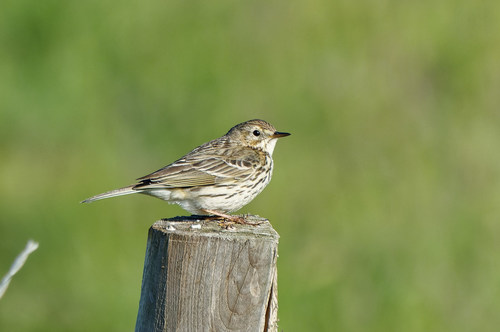 Meadow Pipit
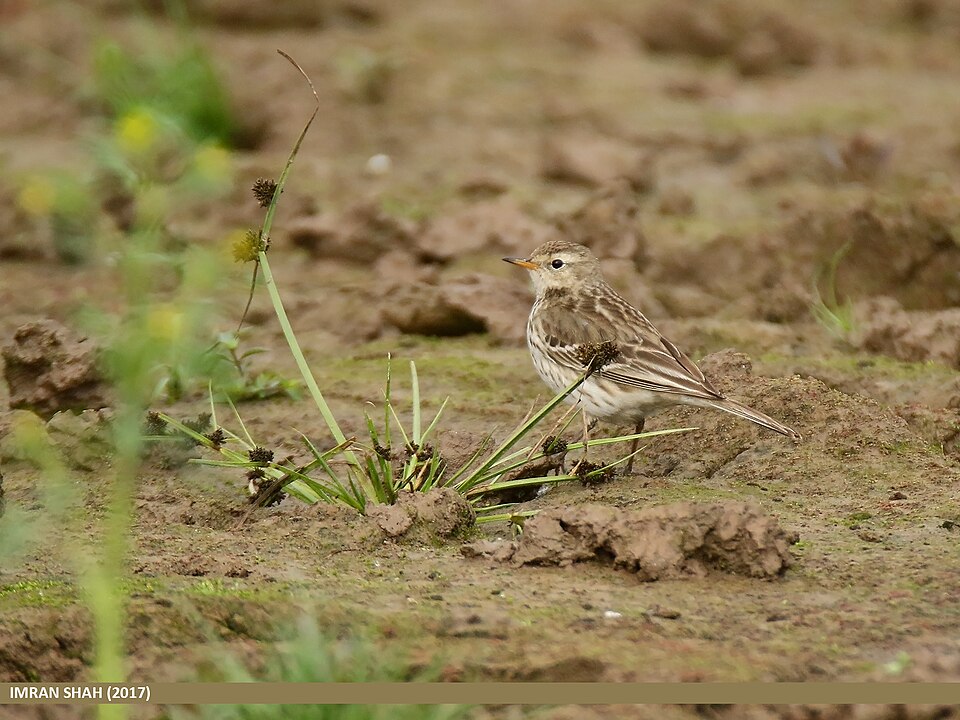 Water Pipit
In short
The most reliable field mark for separating Meadow Pipit from Water Pipit is the combination of underpart streaking and facial pattern: Meadow Pipit shows strong, extensive streaks below and a plain face, while Water Pipit (especially in breeding plumage) has much paler, less streaked underparts and a bold white supercilium. Juvenile and winter birds can be trickier, but Water Pipit is generally longer-winged and longer-tailed, with a greyer head and darker legs. In flight, both show white outer tail feathers, but Water Pipit’s are brighter white and the bird is larger overall. Be alert to seasonal changes and overlap in non-breeding plumages, where careful attention to structure and subtle plumage differences is key.
Identification tips
- Underpart streaking (all ages): Meadow Pipit always shows strong, extensive streaking on the breast and flanks; Water Pipit is much less streaked, especially in breeding plumage, where the underparts are pale with only faint marks.
- Facial pattern (adults, especially spring): Water Pipit has a bold white supercilium and greyer head, especially in breeding plumage. Meadow Pipit’s face is plain and brownish, lacking a strong supercilium.
- Leg color: Meadow Pipit has pale pinkish-yellow legs; Water Pipit’s legs are dark brown to blackish. This is often visible at close range.
- Tail pattern in flight: Both have white outer tail feathers, but Water Pipit’s are brighter white and more contrasting. Meadow Pipit’s white edges are narrower.
- Structure: Water Pipit is longer-winged and longer-tailed, giving a more elongated look, especially when perched. Meadow Pipit is more compact with a finer bill.
- Size: Water Pipit is slightly larger and heavier, but this is subtle and best judged with direct comparison or experience.
- Upperpart color: Meadow Pipit is brown above, while Water Pipit in breeding plumage is greyer above with less obvious streaking.
- Juvenile confusion: Juvenile Meadow Pipit is very heavily streaked below and plain-faced; juvenile Water Pipit is browner and more streaked above, but still less streaked below and may show a faint supercilium.
- Habitat context: In breeding season, Water Pipit is almost always in alpine or subalpine wet meadows; Meadow Pipit is in lowland grassland or moor. In winter, both may be in wet lowlands, so rely more on plumage and structure.
- Behavior: Water Pipit is warier and flushes at greater distance; Meadow Pipit is more approachable.
- Song flight: Meadow Pipit’s song flight is common and distinctive in open country; Water Pipit’s display is less frequently observed.
- Bill color: Meadow Pipit’s bill is thinner and paler; Water Pipit’s is dark brown or blackish.
- Seasonal changes: Water Pipit’s supercilium is boldest in spring; in winter it is less distinct but usually present. Meadow Pipit’s face remains plain year-round.
- Sex differences: Both species are similar in both sexes, but female Water Pipit may have a greyer head.
- Overlap pitfalls: In winter, both can be in similar habitats and Water Pipit is more streaked above, so focus on underpart streaking, supercilium, and leg color for reliable ID.
Size
Water Pipit is distinctly larger: 15–17 cm and 18.7–23 g, compared to Meadow Pipit’s 14.5–15 cm and 15–22 g [wikipedia][avonet]. The difference is subtle in the field, but Water Pipit often appears longer-winged and longer-tailed, with a bulkier look, especially when perched. Meadow Pipit is more compact and daintier, with a finer bill and overall lighter build.
Plumage
-
Juvenile/First-winter: Both species are streaky above and below, but Meadow Pipit juveniles are heavily streaked on the underparts and have a plain, brownish face. Water Pipit juveniles are browner and more streaked above than adults, but still less heavily streaked below than Meadow Pipit, and show a faint but often visible pale supercilium.
-
Adult non-breeding: Meadow Pipit remains brown above and buff below with strong streaking, especially on the breast and flanks. Water Pipit in winter is more streaked above, but the underparts are white with only light brown markings on the breast and flanks. The supercilium is less distinct than in breeding plumage but usually still present; the head is grey-brown.
-
Adult breeding: Meadow Pipit is brown above, buff below, with heavy streaking and a plain face. Water Pipit is greyer above, with a broad white supercilium, pale pink-buff underparts fading to white on the belly, and only faint streaking on the breast and flanks. The contrast between the grey head and white supercilium is often striking in Water Pipit. Both species have white outer tail feathers, but Water Pipit’s are brighter white.
Behaviour
Both species are terrestrial and feed on the ground, but Water Pipit is typically found in wetter, more open habitats and is described as warier, often flushing at greater distances. Meadow Pipit is more approachable and frequently seen in open fields, moorland, and grassland. Both perform song flights, but Meadow Pipit’s is more common and distinctive in open country.
Habitat
Meadow Pipit breeds in open country across much of the Palearctic, favoring grasslands, moorlands, and heath. Water Pipit breeds mainly in mountain areas of southern Europe and across the Palearctic eastwards, preferring alpine meadows and wet, open ground. In winter, Water Pipit descends to lowland marshes, riverbanks, and wet fields, sometimes overlapping with Meadow Pipit, which also moves to lower, wetter areas in winter but is more widespread in drier open habitats. Overlap is most likely in winter or migration, especially in wet lowlands.
Voice
Meadow Pipit gives a faint 'tsi-tsi' call and a simple, repetitive song that accelerates towards the end. Water Pipit’s calls and song are not detailed in the provided notes, but are not highlighted as a primary field mark for separation from Meadow Pipit. Song is more useful for distinguishing Meadow Pipit from Tree Pipit than from Water Pipit.