

Pispola vs Spioncello
Anthus pratensis contro Anthus spinoletta
Fai un quiz con Pispola e Spioncello
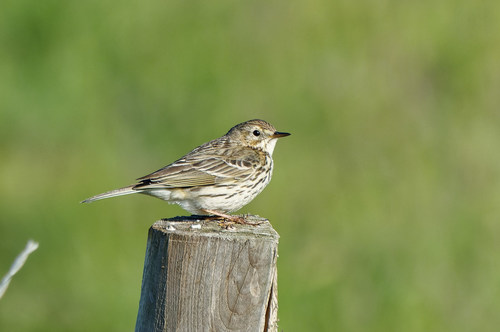 Pispola
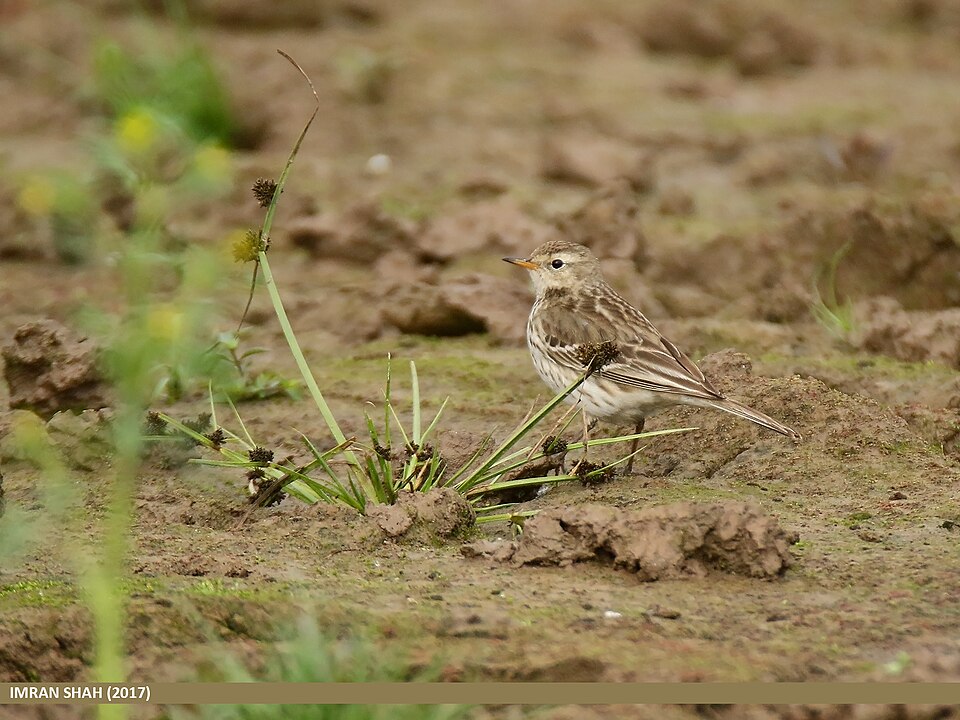 Spioncello
In breve
Il segno di campo più affidabile per separare la Pispola dallo Spioncello è la combinazione di striature nella parte inferiore e modello facciale: la Pispola mostra striature forti ed estese sotto e un volto semplice, mentre lo Spioncello (soprattutto in abito nuziale) ha parti inferiori molto più chiare, meno striate e un bold supercilium bianco. Gli uccelli giovani e invernali possono essere più difficili, ma lo Spioncello è generalmente con ali più lunghe e coda più lunga, con una testa più grigia e zampe più scure. In volo, entrambi mostrano piume bianche nella coda esterna, ma quelle dello Spioncello sono bianche più brillanti e l'uccello è complessivamente più grande. Fai attenzione ai cambiamenti stagionali e alla sovrapposizione negli abiti non nuziali, dove un'attenzione accurata alla struttura e alle sottili differenze di piumaggio è fondamentale.
Consigli di identificazione
- Striature nella parte inferiore (tutte le età): La Pispola mostra sempre forti striature estese sul petto e sui fianchi; lo Spioncello è molto meno striato, soprattutto in abito nuziale, dove le parti inferiori sono chiare con solo segni deboli.
- Modello facciale (adulti, soprattutto in primavera): Lo Spioncello ha un bold supercilium bianco e una testa più grigia, soprattutto in abito nuziale. Il volto della Pispola è semplice e bruno, privo di un forte supercilium.
- Colore delle zampe: La Pispola ha zampe di un giallo-rosato chiaro; le zampe dello Spioncello sono di un marrone scuro o nerastro. Questo è spesso visibile da vicino.
- Modello della coda in volo: Entrambi hanno piume bianche nella coda esterna, ma quelle dello Spioncello sono bianche più brillanti e più contrastanti. I bordi bianchi della Pispola sono più stretti.
- Struttura: Lo Spioncello ha ali più lunghe e coda più lunga, dando un aspetto più allungato, soprattutto quando è posato. La Pispola è più compatta con un becco più fine.
- Dimensioni: Lo Spioncello è leggermente più grande e pesante, ma questo è sottile e meglio giudicato con un confronto diretto o esperienza.
- Colore della parte superiore: La Pispola è marrone sopra, mentre lo Spioncello in abito nuziale è più grigio sopra con striature meno evidenti.
- Confusione giovanile: La Pispola giovane è molto striata sotto e ha un volto semplice; lo Spioncello giovane è più bruno e più striato sopra, ma ancora meno striato sotto e può mostrare un debole supercilium.
- Contesto dell'habitat: Durante la stagione riproduttiva, lo Spioncello è quasi sempre in prati umidi alpini o subalpini; la Pispola si trova in praterie di pianura o torbiere. In inverno, entrambi possono trovarsi in pianure umide, quindi fai affidamento di più sul piumaggio e sulla struttura.
- Comportamento: Lo Spioncello è più diffidente e si spaventa a maggiore distanza; la Pispola è più avvicinabile.
- Volo del canto: Il volo del canto della Pispola è comune e distintivo in campagna aperta; la manifestazione dello Spioncello è meno frequentemente osservata.
- Colore del becco: Il becco della Pispola è più sottile e più chiaro; quello dello Spioncello è marrone scuro o nerastro.
- Cambiamenti stagionali: Il supercilium dello Spioncello è più evidente in primavera; in inverno è meno distinto ma di solito presente. Il volto della Pispola rimane semplice tutto l'anno.
- Differenze sessuali: Entrambe le specie sono simili in entrambi i sessi, ma la femmina dello Spioncello può avere una testa più grigia.
- Trappole di sovrapposizione: In inverno, entrambi possono trovarsi in habitat simili e lo Spioncello è più striato sopra, quindi concentrati sulle striature nella parte inferiore, sul supercilium e sul colore delle zampe per un'identificazione affidabile.
Taglia
Lo Spioncello è nettamente più grande: 15–17 cm e 18.7–23 g, rispetto ai 14.5–15 cm e 15–22 g della Pispola [wikipedia][avonet]. La differenza è sottile sul campo, ma lo Spioncello appare spesso con ali più lunghe e coda più lunga, con un aspetto più massiccio, soprattutto quando è posato. La Pispola è più compatta e più delicata, con un becco più fine e una struttura complessivamente più leggera.
Piumaggio
-
Giovanile/Primo inverno: Entrambe le specie sono striate sopra e sotto, ma i giovani della Pispola sono molto striati nelle parti inferiori e hanno un volto semplice e bruno. I giovani dello Spioncello sono più bruni e più striati sopra rispetto agli adulti, ma ancora meno striati sotto rispetto alla Pispola, e mostrano un debole ma spesso visibile supercilium chiaro.
-
Adulto non in riproduzione: La Pispola rimane marrone sopra e buffo sotto con forti striature, soprattutto sul petto e sui fianchi. Lo Spioncello in inverno è più striato sopra, ma le parti inferiori sono bianche con solo leggeri segni marroni sul petto e sui fianchi. Il supercilium è meno distintivo rispetto all'abito nuziale ma di solito è ancora presente; la testa è grigio-marrone.
-
Adulto in riproduzione: La Pispola è marrone sopra, buffa sotto, con forti striature e un volto semplice. Lo Spioncello è più grigio sopra, con un ampio supercilium bianco, parti inferiori di un rosa-buffo chiaro che sfumano in bianco sul ventre, e solo deboli striature sul petto e sui fianchi. Il contrasto tra la testa grigia e il supercilium bianco è spesso sorprendente nello Spioncello. Entrambe le specie hanno piume bianche nella coda esterna, ma quelle dello Spioncello sono bianche più brillanti.
Comportamento
Entrambe le specie sono terrestri e si nutrono a terra, ma lo Spioncello si trova tipicamente in habitat più umidi e aperti ed è descritto come più diffidente, spesso spaventandosi a distanze maggiori. La Pispola è più avvicinabile e frequentemente vista in campi aperti, torbiere e praterie. Entrambi eseguono voli di canto, ma quello della Pispola è più comune e distintivo in campagna aperta.
Habitat
La Pispola nidifica in campagna aperta in gran parte del Paleartico, preferendo praterie, torbiere e heath. Lo Spioncello nidifica principalmente in aree montuose del sud Europa e attraverso il Paleartico verso est, preferendo prati alpini e terreni umidi e aperti. In inverno, lo Spioncello scende verso le paludi di pianura, le rive dei fiumi e i campi umidi, sovrapponendosi a volte con la Pispola, che si sposta anch'essa verso aree più basse e umide in inverno ma è più diffusa in habitat aperti e asciutti. La sovrapposizione è più probabile in inverno o durante la migrazione, soprattutto nelle pianure umide.
Voce
La Pispola emette un debole richiamo 'tsi-tsi' e una semplice canzone ripetitiva che accelera verso la fine. I richiami e la canzone dello Spioncello non sono dettagliati nelle note fornite, ma non sono evidenziati come un segno di campo primario per la separazione dalla Pispola. La canzone è più utile per distinguere la Pispola dal Prispolone che dallo Spioncello.