

Motmot

Kerguelen Petrel vs Kermadec Petrel

Aphrodroma brevirostris versus Pterodroma neglecta

Play a quiz with Kerguelen Petrel and Kermadec Petrel
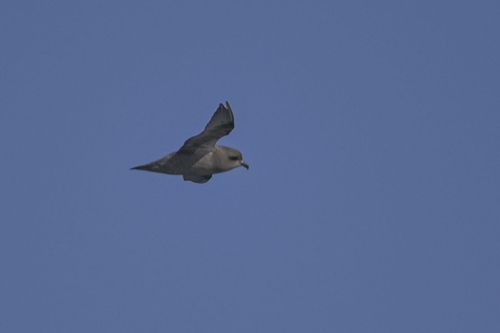
Kerguelen Petrel (Aphrodroma brevirostris) Kerguelen Petrel
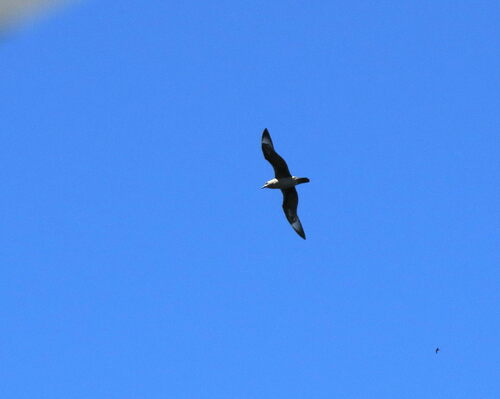
Kermadec Petrel (Pterodroma neglecta) Kermadec Petrel

Media

Loading…

In short

The most reliable field separation between Kerguelen Petrel and Kermadec Petrel is plumage: Kermadec Petrel is highly variable, with light, dark, and intermediate morphs, while Kerguelen Petrel is consistently slate-grey. Kermadec Petrel is also notably larger and heavier, with a broader wingspan. If you see a uniformly slate-grey, small petrel, it's likely a Kerguelen; any bird with pale underparts, a polymorphic look, or a much larger, bulkier build points to Kermadec. Both species are pelagic, but their ranges overlap only rarely, so context can help. Age-specific upperwing patterns are not described in the available notes, so focus on overall color and size.

Identification tips

  1. Plumage polymorphism: Kermadec Petrel can be light, dark, or intermediate; Kerguelen Petrel is always slate-grey. If you see a bird with pale underparts or variable coloration, it's Kermadec.
  2. Uniformity of color: Kerguelen Petrel is consistently slate-grey above and below, with no pale belly or underwing. Any deviation from this uniformity suggests Kermadec.
  3. Size and bulk: Kermadec Petrel is larger and heavier (501 g), with a broader wingspan (100 cm). In mixed flocks or close views, Kermadec will look more robust.
  4. Bill structure: While not detailed in the notes, the genus name 'brevirostris' for Kerguelen suggests a shorter bill, but this is not described as a field mark. Do not rely on bill length unless you have an exceptional view.
  5. Flight impression: Kermadec's larger size and wingspan may give it a more powerful, gliding flight compared to the smaller, more agile Kerguelen, but this is subtle.
  6. Range and context: Kerguelen Petrel is circumpolar in the Southern Ocean; Kermadec is a Pacific breeder and rare vagrant elsewhere. Use location as a supporting clue, but not as a sole identifier.
  7. Age and upperwing pattern: No distinctive juvenile or immature wing patterns are described for either species, so do not rely on age-specific flight marks.
  8. Polymorphic confusion: Dark-morph Kermadec Petrels may appear all-dark, but usually show some contrast or different tone compared to the uniform slate-grey of Kerguelen. Look for subtle differences in shade and any pale areas.
  9. Intermediate morphs: Kermadec's intermediate morphs can be especially confusing; look for any patchiness or unevenness in color, which Kerguelen lacks.
  10. Habitat at sea: Both are pelagic, but if seen near breeding islands, check which species is known to breed locally.
  11. Perched views: Both are rarely seen perched except at colonies, but Kermadec's larger size and possible pale areas may be more evident on land.
  12. No voice cues: No vocal distinctions are available in the notes; do not use calls for separation.
  13. Sex and season: No sexual dimorphism or seasonal plumage changes are described for either species; all ages and sexes should be separable by the above marks.
  14. Quiz pitfalls: Most quiz mix-ups will be with intermediate or dark-morph Kermadec Petrels, especially in poor light. Always check for uniformity of slate-grey (Kerguelen) versus any hint of polymorphism (Kermadec).
  15. When in doubt: If you cannot see clear plumage differences and size is ambiguous, use range and context as a tiebreaker, but be honest about uncertainty.

Size

Kerguelen Petrel is smaller, at about 36 cm in length, while Kermadec Petrel reaches 38 cm and is much heavier (501 g for Kermadec; no mass given for Kerguelen, but it's distinctly lighter by all accounts). Kermadec also has a much broader wingspan (up to 100 cm), giving it a more robust appearance in flight. In direct comparison, Kermadec Petrel will look larger-bodied and longer-winged.

Plumage

Kerguelen Petrel is uniformly slate-grey, lacking any polymorphism or strong contrast in plumage. This applies to all ages and morphs, based on available descriptions. In contrast, Kermadec Petrel is polymorphic: some individuals are very pale below (light morph), some are dark all over (dark morph), and others are intermediate. This variability is a key distinction. No detailed age-specific wing or tail patterns are described for either species, so focus on overall coloration. If you see a bird with clear pale underparts or a mix of pale and dark, it's Kermadec; a bird that's consistently slate-grey is Kerguelen.

Behaviour

Both species are pelagic and rarely seen near land except at breeding sites. No specific behavioral differences are noted in the available sources. Both are likely to be seen gliding or shearing low over the ocean, typical of Procellariidae.

Habitat

Kerguelen Petrel is circumpolar in the Southern Ocean, while Kermadec Petrel breeds in the Pacific, from Lord Howe to the Juan Fernández Islands, and is a rare vagrant elsewhere. Overlap is minimal, but possible in rare vagrancy events. If you are birding in the southern Indian Ocean, Kerguelen is far more likely; in the tropical/subtropical Pacific, Kermadec is expected. Both are strictly pelagic away from breeding grounds.

Submit a better description

Use the same sections as the comparison. Your text is published immediately.

The most reliable field separation between Kerguelen Petrel and Kermadec Petrel is plumage: Kermadec Petrel is highly variable, with light, dark, and intermediate morphs, while Kerguelen Petrel is consistently slate-grey. Kermadec Petrel is also notably larger and heavier, with a broader wingspan. If you see a uniformly slate-grey, small petrel, it's likely a Kerguelen; any bird with pale underparts, a polymorphic look, or a much larger, bulkier build points to Kermadec. Both species are pelagic, but their ranges overlap only rarely, so context can help. Age-specific upperwing patterns are not described in the available notes, so focus on overall color and size.

  1. Plumage polymorphism: Kermadec Petrel can be light, dark, or intermediate; Kerguelen Petrel is always slate-grey. If you see a bird with pale underparts or variable coloration, it's Kermadec.
  2. Uniformity of color: Kerguelen Petrel is consistently slate-grey above and below, with no pale belly or underwing. Any deviation from this uniformity suggests Kermadec.
  3. Size and bulk: Kermadec Petrel is larger and heavier (501 g), with a broader wingspan (100 cm). In mixed flocks or close views, Kermadec will look more robust.
  4. Bill structure: While not detailed in the notes, the genus name 'brevirostris' for Kerguelen suggests a shorter bill, but this is not described as a field mark. Do not rely on bill length unless you have an exceptional view.
  5. Flight impression: Kermadec's larger size and wingspan may give it a more powerful, gliding flight compared to the smaller, more agile Kerguelen, but this is subtle.
  6. Range and context: Kerguelen Petrel is circumpolar in the Southern Ocean; Kermadec is a Pacific breeder and rare vagrant elsewhere. Use location as a supporting clue, but not as a sole identifier.
  7. Age and upperwing pattern: No distinctive juvenile or immature wing patterns are described for either species, so do not rely on age-specific flight marks.
  8. Polymorphic confusion: Dark-morph Kermadec Petrels may appear all-dark, but usually show some contrast or different tone compared to the uniform slate-grey of Kerguelen. Look for subtle differences in shade and any pale areas.
  9. Intermediate morphs: Kermadec's intermediate morphs can be especially confusing; look for any patchiness or unevenness in color, which Kerguelen lacks.
  10. Habitat at sea: Both are pelagic, but if seen near breeding islands, check which species is known to breed locally.
  11. Perched views: Both are rarely seen perched except at colonies, but Kermadec's larger size and possible pale areas may be more evident on land.
  12. No voice cues: No vocal distinctions are available in the notes; do not use calls for separation.
  13. Sex and season: No sexual dimorphism or seasonal plumage changes are described for either species; all ages and sexes should be separable by the above marks.
  14. Quiz pitfalls: Most quiz mix-ups will be with intermediate or dark-morph Kermadec Petrels, especially in poor light. Always check for uniformity of slate-grey (Kerguelen) versus any hint of polymorphism (Kermadec).
  15. When in doubt: If you cannot see clear plumage differences and size is ambiguous, use range and context as a tiebreaker, but be honest about uncertainty.

Kerguelen Petrel is smaller, at about 36 cm in length, while Kermadec Petrel reaches 38 cm and is much heavier (501 g for Kermadec; no mass given for Kerguelen, but it's distinctly lighter by all accounts). Kermadec also has a much broader wingspan (up to 100 cm), giving it a more robust appearance in flight. In direct comparison, Kermadec Petrel will look larger-bodied and longer-winged.

Kerguelen Petrel is uniformly slate-grey, lacking any polymorphism or strong contrast in plumage. This applies to all ages and morphs, based on available descriptions. In contrast, Kermadec Petrel is polymorphic: some individuals are very pale below (light morph), some are dark all over (dark morph), and others are intermediate. This variability is a key distinction. No detailed age-specific wing or tail patterns are described for either species, so focus on overall coloration. If you see a bird with clear pale underparts or a mix of pale and dark, it's Kermadec; a bird that's consistently slate-grey is Kerguelen.

Both species are pelagic and rarely seen near land except at breeding sites. No specific behavioral differences are noted in the available sources. Both are likely to be seen gliding or shearing low over the ocean, typical of Procellariidae.

Kerguelen Petrel is circumpolar in the Southern Ocean, while Kermadec Petrel breeds in the Pacific, from Lord Howe to the Juan Fernández Islands, and is a rare vagrant elsewhere. Overlap is minimal, but possible in rare vagrancy events. If you are birding in the southern Indian Ocean, Kerguelen is far more likely; in the tropical/subtropical Pacific, Kermadec is expected. Both are strictly pelagic away from breeding grounds.

Discard your changes?

You have unsaved edits. If you leave now, those changes will be lost.

Kerguelen Petrel · Kermadec Petrel · My Tricky Birds