

Motmot

ケルゲレンミズナギドリ 対 カワリシロハラミズナギドリ

Aphrodroma brevirostris 対 Pterodroma neglecta

ケルゲレンミズナギドリとカワリシロハラミズナギドリのクイズ
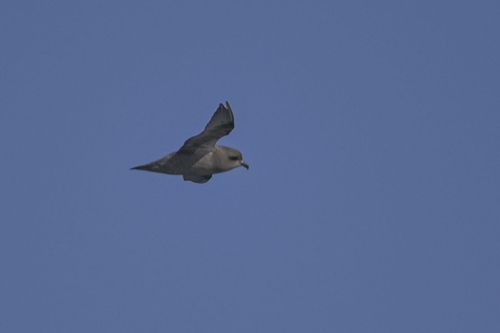
ケルゲレンミズナギドリ (Aphrodroma brevirostris) ケルゲレンミズナギドリ
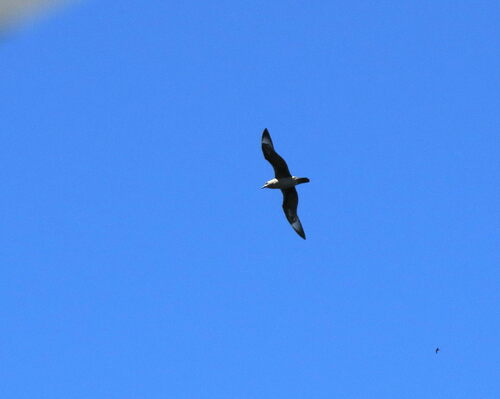
カワリシロハラミズナギドリ (Pterodroma neglecta) カワリシロハラミズナギドリ

メディア

読み込み中…

要点

ケルゲレンミズナギドリとカワリシロハラミズナギドリの最も信頼できるフィールドでの識別は羽色です:カワリシロハラミズナギドリは非常に変異があり、明るい、暗い、中間の形態がありますが、ケルゲレンミズナギドリは一貫してスレートグレーです。カワリシロハラミズナギドリはまた、著しく大きく、重く、翼幅も広いです。均一なスレートグレーの小さなミズナギドリを見た場合、それはおそらくケルゲレンです;淡い腹部、ポリモーフィックな外観、またははるかに大きく、がっしりとした体型の鳥はカワリシロハラミズナギドリを示します。両種は外洋性ですが、その範囲はめったに重ならないため、文脈が助けになります。年齢特有の上翼パターンは利用可能なメモには記載されていないため、全体的な色とサイズに焦点を当ててください。

識別のコツ

  1. Plumage polymorphism: カワリシロハラミズナギドリは明るい、暗い、または中間の形態を持つことができます;ケルゲレンミズナギドリは常にスレートグレーです。淡い腹部や変動する色合いの鳥を見た場合、それはカワリシロハラミズナギドリです。
  2. Uniformity of color: ケルゲレンミズナギドリは上面と下面が一貫してスレートグレーで、淡い腹部や下翼はありません。この均一性からの逸脱はカワリシロハラミズナギドリを示唆します。
  3. Size and bulk: カワリシロハラミズナギドリは大きく、重い(501 g)で、翼幅も広い(100 cm)です。混合群れや近くから見ると、カワリシロハラミズナギドリはよりがっしりと見えます。
  4. Bill structure: メモには詳細が記載されていませんが、ケルゲレンの属名「brevirostris」は短いくちばしを示唆していますが、これはフィールドマークとしては記載されていません。特別な視界がない限り、くちばしの長さには頼らないでください。
  5. Flight impression: カワリシロハラミズナギドリの大きなサイズと翼幅は、より強力で滑空する飛行を与えるかもしれませんが、これは微妙です。
  6. Range and context: ケルゲレンミズナギドリは南極圏に分布し、カワリシロハラミズナギドリは太平洋で繁殖し、他の場所では珍しい漂流者です。位置を補助的な手がかりとして使用しますが、唯一の識別子としては使用しないでください。
  7. Age and upperwing pattern: どちらの種についても特有の幼鳥や未成熟の翼パターンは記載されていないため、年齢特有の飛行マークには頼らないでください。
  8. Polymorphic confusion: 暗色形態のカワリシロハラミズナギドリは全体が暗く見えることがありますが、通常はケルゲレンの均一なスレートグレーと比較して、いくつかのコントラストや異なるトーンを示します。色合いの微妙な違いや淡い部分を探してください。
  9. Intermediate morphs: カワリシロハラミズナギドリの中間形態は特に混乱を招くことがあります;色の斑点や不均一さを探してください。これはケルゲレンにはありません。
  10. Habitat at sea: 両種は外洋性ですが、繁殖島の近くで見られた場合、どの種が地元で繁殖することが知られているかを確認してください。
  11. Perched views: 両種はコロニー以外ではめったに止まっているのは見られませんが、カワリシロハラミズナギドリの大きなサイズと可能な淡い部分は陸上でより明らかになるかもしれません。
  12. No voice cues: メモには音声の区別が記載されていません;呼び声を識別に使用しないでください。
  13. Sex and season: どちらの種についても性的二形性や季節的な羽色の変化は記載されていません;すべての年齢と性別は上記のマークで識別可能であるべきです。
  14. Quiz pitfalls: ほとんどのクイズの混乱は中間または暗色形態のカワリシロハラミズナギドリとの間で起こります、特に光が悪い場合。常にスレートグレー(ケルゲレン)の均一性とポリモーフィズムのいかなるヒント(カワリシロハラミズナギドリ)を確認してください。
  15. When in doubt: 明確な羽色の違いが見えず、サイズがあいまいな場合は、範囲と文脈をタイブレイカーとして使用しますが、不確実性について正直でいてください。

大きさ

ケルゲレンミズナギドリは約36 cmの長さで小さく、カワリシロハラミズナギドリは38 cmに達し、はるかに重い(カワリシロハラミズナギドリは501 g;ケルゲレンの質量は記載されていませんが、すべての報告によれば明らかに軽いです)。カワリシロハラミズナギドリはまた、はるかに広い翼幅(最大100 cm)を持ち、飛行中によりがっしりとした外観を与えます。直接比較すると、カワリシロハラミズナギドリはより大きな体型と長い翼を持っているように見えます。

羽色

ケルゲレンミズナギドリは均一にスレートグレーで、羽色にポリモーフィズムや強いコントラストがありません。これは利用可能な説明に基づいて、すべての年齢と形態に適用されます。対照的に、カワリシロハラミズナギドリはポリモーフィックです:一部の個体は非常に淡い腹部を持ち(明るい形態)、一部は全体が暗い(暗色形態)、他は中間です。この変動性は重要な区別です。どちらの種についても詳細な年齢特有の翼や尾のパターンは記載されていないため、全体的な色合いに焦点を当ててください。明確な淡い腹部や淡い色と暗い色の混合を持つ鳥を見た場合、それはカワリシロハラミズナギドリです;一貫してスレートグレーの鳥はケルゲレンです。

行動

両種は外洋性で、繁殖地以外ではめったに陸近くで見られません。利用可能な情報源には特定の行動の違いは記載されていません。両種は、プロセラリダエの典型的な行動である、海上を低く滑空したり、切り裂いたりしているのが見られる可能性があります。

生息環境

ケルゲレンミズナギドリは南極圏に分布し、カワリシロハラミズナギドリは太平洋で繁殖し、ロードハウ島からフアン・フェルナンデス諸島まで分布し、他の場所では珍しい漂流者です。重なりは最小限ですが、稀な漂流イベントで可能です。南インド洋でバードウォッチングをしている場合、ケルゲレンがはるかに可能性が高いです;熱帯/亜熱帯の太平洋ではカワリシロハラミズナギドリが期待されます。両種は繁殖地から離れて厳密に外洋性です。

より良い説明を送る

比較と同じ項目を使ってください。文章はすぐに公開されます。

The most reliable field separation between Kerguelen Petrel and Kermadec Petrel is plumage: Kermadec Petrel is highly variable, with light, dark, and intermediate morphs, while Kerguelen Petrel is consistently slate-grey. Kermadec Petrel is also notably larger and heavier, with a broader wingspan. If you see a uniformly slate-grey, small petrel, it's likely a Kerguelen; any bird with pale underparts, a polymorphic look, or a much larger, bulkier build points to Kermadec. Both species are pelagic, but their ranges overlap only rarely, so context can help. Age-specific upperwing patterns are not described in the available notes, so focus on overall color and size.

  1. Plumage polymorphism: Kermadec Petrel can be light, dark, or intermediate; Kerguelen Petrel is always slate-grey. If you see a bird with pale underparts or variable coloration, it's Kermadec.
  2. Uniformity of color: Kerguelen Petrel is consistently slate-grey above and below, with no pale belly or underwing. Any deviation from this uniformity suggests Kermadec.
  3. Size and bulk: Kermadec Petrel is larger and heavier (501 g), with a broader wingspan (100 cm). In mixed flocks or close views, Kermadec will look more robust.
  4. Bill structure: While not detailed in the notes, the genus name 'brevirostris' for Kerguelen suggests a shorter bill, but this is not described as a field mark. Do not rely on bill length unless you have an exceptional view.
  5. Flight impression: Kermadec's larger size and wingspan may give it a more powerful, gliding flight compared to the smaller, more agile Kerguelen, but this is subtle.
  6. Range and context: Kerguelen Petrel is circumpolar in the Southern Ocean; Kermadec is a Pacific breeder and rare vagrant elsewhere. Use location as a supporting clue, but not as a sole identifier.
  7. Age and upperwing pattern: No distinctive juvenile or immature wing patterns are described for either species, so do not rely on age-specific flight marks.
  8. Polymorphic confusion: Dark-morph Kermadec Petrels may appear all-dark, but usually show some contrast or different tone compared to the uniform slate-grey of Kerguelen. Look for subtle differences in shade and any pale areas.
  9. Intermediate morphs: Kermadec's intermediate morphs can be especially confusing; look for any patchiness or unevenness in color, which Kerguelen lacks.
  10. Habitat at sea: Both are pelagic, but if seen near breeding islands, check which species is known to breed locally.
  11. Perched views: Both are rarely seen perched except at colonies, but Kermadec's larger size and possible pale areas may be more evident on land.
  12. No voice cues: No vocal distinctions are available in the notes; do not use calls for separation.
  13. Sex and season: No sexual dimorphism or seasonal plumage changes are described for either species; all ages and sexes should be separable by the above marks.
  14. Quiz pitfalls: Most quiz mix-ups will be with intermediate or dark-morph Kermadec Petrels, especially in poor light. Always check for uniformity of slate-grey (Kerguelen) versus any hint of polymorphism (Kermadec).
  15. When in doubt: If you cannot see clear plumage differences and size is ambiguous, use range and context as a tiebreaker, but be honest about uncertainty.

Kerguelen Petrel is smaller, at about 36 cm in length, while Kermadec Petrel reaches 38 cm and is much heavier (501 g for Kermadec; no mass given for Kerguelen, but it's distinctly lighter by all accounts). Kermadec also has a much broader wingspan (up to 100 cm), giving it a more robust appearance in flight. In direct comparison, Kermadec Petrel will look larger-bodied and longer-winged.

Kerguelen Petrel is uniformly slate-grey, lacking any polymorphism or strong contrast in plumage. This applies to all ages and morphs, based on available descriptions. In contrast, Kermadec Petrel is polymorphic: some individuals are very pale below (light morph), some are dark all over (dark morph), and others are intermediate. This variability is a key distinction. No detailed age-specific wing or tail patterns are described for either species, so focus on overall coloration. If you see a bird with clear pale underparts or a mix of pale and dark, it's Kermadec; a bird that's consistently slate-grey is Kerguelen.

Both species are pelagic and rarely seen near land except at breeding sites. No specific behavioral differences are noted in the available sources. Both are likely to be seen gliding or shearing low over the ocean, typical of Procellariidae.

Kerguelen Petrel is circumpolar in the Southern Ocean, while Kermadec Petrel breeds in the Pacific, from Lord Howe to the Juan Fernández Islands, and is a rare vagrant elsewhere. Overlap is minimal, but possible in rare vagrancy events. If you are birding in the southern Indian Ocean, Kerguelen is far more likely; in the tropical/subtropical Pacific, Kermadec is expected. Both are strictly pelagic away from breeding grounds.

変更を破棄しますか?

保存していない編集があります。今離れると失われます。

ケルゲレンミズナギドリ · カワリシロハラミズナギドリ · 苦手な鳥