

Motmot

Indian Spot-billed Duck vs Baya Weaver

Anas poecilorhyncha versus Ploceus philippinus

Play a quiz with Indian Spot-billed Duck and Baya Weaver
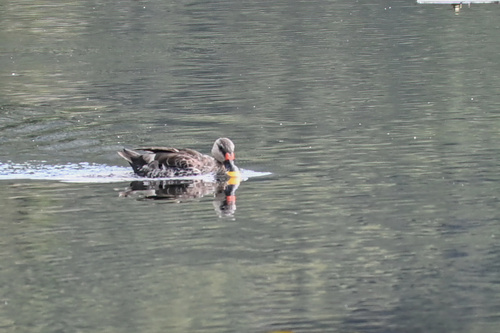
Indian Spot-billed Duck (Anas poecilorhyncha) Indian Spot-billed Duck
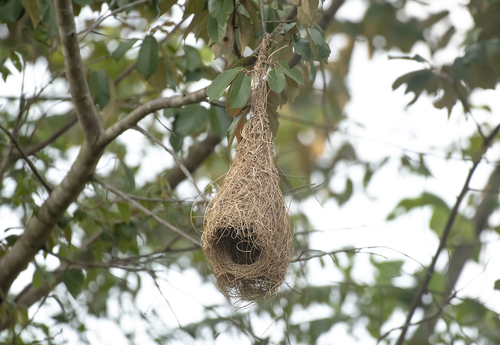
Baya Weaver (Ploceus philippinus) Baya Weaver

Media

Loading…

In short

The most reliable way to separate Indian Spot-billed Duck from Baya Weaver is by size and structure: the duck is a massive, heavy-bodied waterfowl with a broad bill, while the weaver is a tiny, slim songbird with a short conical bill. In flight, the duck shows a green speculum bordered by a broad white band on the wing, visible in all ages, while the weaver lacks any wing pattern and appears plain. At rest, the duck’s pale face, scaly body, and distinctive bill with a yellow tip and red spot (in males) are unique, whereas the weaver is small, brownish, and sparrow-like. Habitat is also a strong clue: ducks are always on or near water, while weavers are found in grassy or cultivated areas, often away from open water.

Identification tips

  1. Size is the first clue: If the bird is goose-sized, it is the duck; if sparrow-sized, it is the weaver. This holds for all ages and sexes.
  2. Wing pattern in flight: Indian Spot-billed Duck (all ages) shows a green speculum with a broad white band at the base; Baya Weaver has plain brown wings with no speculum or white.
  3. Bill shape and color: The duck has a broad, flat bill with a yellow tip and (in males) a red spot at the base; the weaver has a short, conical, seed-eating bill, always dark or horn-colored with no spots.
  4. Body shape and jizz: Ducks are heavy-bodied with long necks and short tails; weavers are slim, short-necked, and short-tailed.
  5. Plumage at rest: Indian Spot-billed Duck is scaly grey with a paler face and neck; Baya Weaver is plain brownish, with breeding males showing a yellow crown but never a pale face.
  6. Leg color: Duck legs are bright orange to coral red; weaver legs are pale and inconspicuous.
  7. Sex differences: Male ducks have a red spot at the bill base; females lack or have a faint spot. Male weavers in breeding plumage have a yellow crown; females and non-breeding males are brown and streaky.
  8. Juvenile confusion: Young ducks are browner and duller but still large, with the same wing pattern; juvenile weavers are small, brown, and streaky, never showing any white or green on the wing.
  9. Habitat context: Ducks are always near water; weavers are in grasslands, fields, or trees, often far from water except at nesting colonies.
  10. Behavior: Ducks swim and dabble; weavers perch, flit, and hang from nests, never swimming.
  11. Flight style: Ducks have strong, direct flight with whistling wings; weavers have bounding, undulating flight typical of small passerines.
  12. Vocalizations: Duck quacks are loud and mallard-like; weaver calls are high-pitched chirps and trills.
  13. Group size: Ducks are usually in pairs or small groups; weavers often form large flocks or colonies.
  14. Nesting: Duck nests are hidden on the ground near water; weaver nests are elaborate, woven, and suspended from trees or structures, often over dry land.
  15. Common pitfalls: Distant or poorly seen birds in flight may confuse by shape, but the duck’s wing pattern and size are always diagnostic. No age or sex of weaver ever shows the duck’s structure or wing marks.

Size

Indian Spot-billed Duck is vastly larger, weighing about 1195 g and measuring 55–63 cm in length, with a wingspan of 83–95 cm. Baya Weaver is tiny by comparison, at just 25 g and much smaller overall. With binoculars, the duck will appear goose-sized and the weaver finch-sized, making confusion in the field rare except at extreme distance or in poor viewing conditions.

Plumage

For all ages, Indian Spot-billed Duck in flight shows a green speculum bordered by a broad white band at the base of the secondaries, a feature absent in Baya Weaver. Juvenile ducks are browner and duller than adults but still show the pale face and wing pattern. At rest, the duck has a scaly grey body, paler head and neck, and a black bill tipped yellow, with a red spot at the base in adult males. Baya Weaver lacks any wing or tail pattern, appearing plain brownish with a short tail and, in breeding males, a yellow crown. Juvenile weavers are brown and streaky, resembling small sparrows. No age or sex of Baya Weaver shows any white or green on the wing or the pale face of the duck.

Behaviour

Indian Spot-billed Duck is usually seen swimming or dabbling on water, sometimes in small groups or pairs, and takes off nearly vertically when flushed. It may dive if threatened. Baya Weaver is almost always seen perched in flocks, foraging in grass or cultivated fields, or hanging from its woven nest. It never swims or enters water like a duck. The duck’s movements are heavy and deliberate, while the weaver is quick and agile, often flitting between grasses or trees.

Habitat

Indian Spot-billed Duck is strictly associated with freshwater wetlands, lakes, and marshes, rarely venturing far from water. Baya Weaver is found in grasslands, cultivated areas, scrub, and secondary growth, often away from water except when nesting. The duck is never found in dry fields or grasslands, and the weaver is not seen swimming or dabbling in wetlands.

Voice

Both species are vocal, but their calls are very different. Indian Spot-billed Duck has a quack similar to a mallard, loud and carrying over water. Baya Weaver’s calls are high-pitched, rapid, and more like chirps or trills typical of small songbirds. There is no overlap in voice quality or volume.

Submit a better description

Use the same sections as the comparison. Your text is published immediately.

The most reliable way to separate Indian Spot-billed Duck from Baya Weaver is by size and structure: the duck is a massive, heavy-bodied waterfowl with a broad bill, while the weaver is a tiny, slim songbird with a short conical bill. In flight, the duck shows a green speculum bordered by a broad white band on the wing, visible in all ages, while the weaver lacks any wing pattern and appears plain. At rest, the duck’s pale face, scaly body, and distinctive bill with a yellow tip and red spot (in males) are unique, whereas the weaver is small, brownish, and sparrow-like. Habitat is also a strong clue: ducks are always on or near water, while weavers are found in grassy or cultivated areas, often away from open water.

  1. Size is the first clue: If the bird is goose-sized, it is the duck; if sparrow-sized, it is the weaver. This holds for all ages and sexes.
  2. Wing pattern in flight: Indian Spot-billed Duck (all ages) shows a green speculum with a broad white band at the base; Baya Weaver has plain brown wings with no speculum or white.
  3. Bill shape and color: The duck has a broad, flat bill with a yellow tip and (in males) a red spot at the base; the weaver has a short, conical, seed-eating bill, always dark or horn-colored with no spots.
  4. Body shape and jizz: Ducks are heavy-bodied with long necks and short tails; weavers are slim, short-necked, and short-tailed.
  5. Plumage at rest: Indian Spot-billed Duck is scaly grey with a paler face and neck; Baya Weaver is plain brownish, with breeding males showing a yellow crown but never a pale face.
  6. Leg color: Duck legs are bright orange to coral red; weaver legs are pale and inconspicuous.
  7. Sex differences: Male ducks have a red spot at the bill base; females lack or have a faint spot. Male weavers in breeding plumage have a yellow crown; females and non-breeding males are brown and streaky.
  8. Juvenile confusion: Young ducks are browner and duller but still large, with the same wing pattern; juvenile weavers are small, brown, and streaky, never showing any white or green on the wing.
  9. Habitat context: Ducks are always near water; weavers are in grasslands, fields, or trees, often far from water except at nesting colonies.
  10. Behavior: Ducks swim and dabble; weavers perch, flit, and hang from nests, never swimming.
  11. Flight style: Ducks have strong, direct flight with whistling wings; weavers have bounding, undulating flight typical of small passerines.
  12. Vocalizations: Duck quacks are loud and mallard-like; weaver calls are high-pitched chirps and trills.
  13. Group size: Ducks are usually in pairs or small groups; weavers often form large flocks or colonies.
  14. Nesting: Duck nests are hidden on the ground near water; weaver nests are elaborate, woven, and suspended from trees or structures, often over dry land.
  15. Common pitfalls: Distant or poorly seen birds in flight may confuse by shape, but the duck’s wing pattern and size are always diagnostic. No age or sex of weaver ever shows the duck’s structure or wing marks.

Indian Spot-billed Duck is vastly larger, weighing about 1195 g and measuring 55–63 cm in length, with a wingspan of 83–95 cm. Baya Weaver is tiny by comparison, at just 25 g and much smaller overall. With binoculars, the duck will appear goose-sized and the weaver finch-sized, making confusion in the field rare except at extreme distance or in poor viewing conditions.

For all ages, Indian Spot-billed Duck in flight shows a green speculum bordered by a broad white band at the base of the secondaries, a feature absent in Baya Weaver. Juvenile ducks are browner and duller than adults but still show the pale face and wing pattern. At rest, the duck has a scaly grey body, paler head and neck, and a black bill tipped yellow, with a red spot at the base in adult males. Baya Weaver lacks any wing or tail pattern, appearing plain brownish with a short tail and, in breeding males, a yellow crown. Juvenile weavers are brown and streaky, resembling small sparrows. No age or sex of Baya Weaver shows any white or green on the wing or the pale face of the duck.

Indian Spot-billed Duck is usually seen swimming or dabbling on water, sometimes in small groups or pairs, and takes off nearly vertically when flushed. It may dive if threatened. Baya Weaver is almost always seen perched in flocks, foraging in grass or cultivated fields, or hanging from its woven nest. It never swims or enters water like a duck. The duck’s movements are heavy and deliberate, while the weaver is quick and agile, often flitting between grasses or trees.

Indian Spot-billed Duck is strictly associated with freshwater wetlands, lakes, and marshes, rarely venturing far from water. Baya Weaver is found in grasslands, cultivated areas, scrub, and secondary growth, often away from water except when nesting. The duck is never found in dry fields or grasslands, and the weaver is not seen swimming or dabbling in wetlands.

Both species are vocal, but their calls are very different. Indian Spot-billed Duck has a quack similar to a mallard, loud and carrying over water. Baya Weaver’s calls are high-pitched, rapid, and more like chirps or trills typical of small songbirds. There is no overlap in voice quality or volume.

Discard your changes?

You have unsaved edits. If you leave now, those changes will be lost.

Indian Spot-billed Duck · Baya Weaver · My Tricky Birds