

Motmot

アカボシカルガモ 対 キムネコウヨウジャク

Anas poecilorhyncha 対 Ploceus philippinus

アカボシカルガモとキムネコウヨウジャクのクイズ
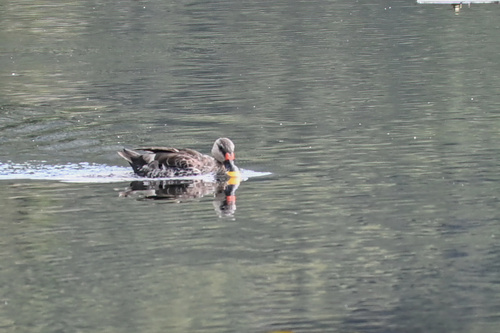
アカボシカルガモ (Anas poecilorhyncha) アカボシカルガモ
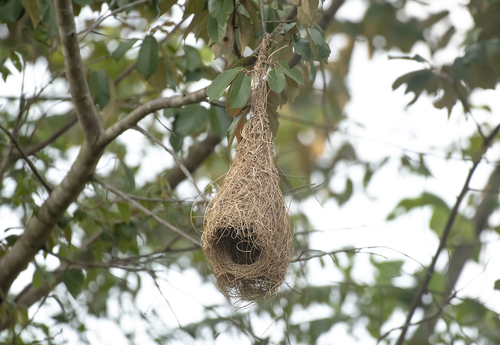
キムネコウヨウジャク (Ploceus philippinus) キムネコウヨウジャク

メディア

読み込み中…

要点

インドアカボシカルガモとキムネコウヨウジャクを区別する最も信頼できる方法は、サイズと構造です:アカボシカルガモは大きく、重い体を持つ水鳥で、広いくちばしを持っていますが、キムネコウヨウジャクは小さく、細い体の歌鳥で、短い円錐形のくちばしを持っています。飛んでいるとき、アカボシカルガモは緑色のスペキュラムを示し、翼の基部には広い白い帯があります。これはすべての年齢で見られますが、キムネコウヨウジャクは翼の模様がなく、地味に見えます。休んでいるとき、アカボシカルガモの淡い顔、鱗状の体、黄色い先端と赤い斑点(オスの場合)を持つ独特のくちばしはユニークですが、キムネコウヨウジャクは小さく、茶色がかり、スズメのようです。生息地も強い手がかりです:アカボシカルガモは常に水の上または近くにいますが、キムネコウヨウジャクは草地や耕作された地域に見られ、しばしば開けた水から離れています。

識別のコツ

  1. Size is the first clue: 鳥がガチョウサイズであれば、それはアカボシカルガモです;スズメサイズであれば、それはキムネコウヨウジャクです。これはすべての年齢と性別に当てはまります。
  2. Wing pattern in flight: インドアカボシカルガモ(すべての年齢)は、基部に広い白い帯を持つ緑色のスペキュラムを示します;キムネコウヨウジャクは、スペキュラムや白がない地味な茶色の翼を持っています。
  3. Bill shape and color: アカボシカルガモは、黄色い先端と(オスの場合)基部に赤い斑点を持つ広く平らなくちばしを持っています;キムネコウヨウジャクは、常に暗いまたは角のような色で斑点のない短い円錐形の種子食用のくちばしを持っています。
  4. Body shape and jizz: アカボシカルガモは長い首と短い尾を持つ重い体をしています;キムネコウヨウジャクは細く、短い首と短い尾を持っています。
  5. Plumage at rest: インドアカボシカルガモは鱗状の灰色で、淡い顔と首を持っています;キムネコウヨウジャクは地味な茶色で、繁殖期のオスは黄色い冠を持っていますが、決して淡い顔を持ちません。
  6. Leg color: アカボシカルガモの足は明るいオレンジからサンゴ色です;キムネコウヨウジャクの足は淡く目立たないです。
  7. Sex differences: オスのアカボシカルガモはくちばしの基部に赤い斑点を持っています;メスは斑点がないか、かすかな斑点を持っています。繁殖羽毛のオスのキムネコウヨウジャクは黄色い冠を持っています;メスと非繁殖期のオスは茶色で縞模様です。
  8. Juvenile confusion: 若いアカボシカルガモはより茶色がかりで鈍いですが、それでも大きく、同じ翼の模様を持っています;幼鳥のキムネコウヨウジャクは小さく、茶色で縞模様があり、翼に白や緑を示すことはありません。
  9. Habitat context: アカボシカルガモは常に水の近くにいます;キムネコウヨウジャクは草地、畑、または木の中に見られ、巣作りのコロニーを除いて水から遠く離れています。
  10. Behavior: アカボシカルガモは泳いだり水をついばんだりします;キムネコウヨウジャクは止まって、飛び回り、巣からぶら下がりますが、決して泳ぎません。
  11. Flight style: アカボシカルガモは強く、直接的な飛行をし、翼が笛のような音を立てます;キムネコウヨウジャクは小さな雀類に典型的な跳ねるような、波打つ飛行をします。
  12. Vocalizations: アカボシカルガモのクワックは大きく、マガモのようです;キムネコウヨウジャクの鳴き声は高音で、速く、小さな歌鳥に典型的なチュンチュンやトリルのようです。
  13. Group size: アカボシカルガモは通常、ペアまたは小さな群れで見られます;キムネコウヨウジャクはしばしば大きな群れやコロニーを形成します。
  14. Nesting: アカボシカルガモの巣は水の近くの地面に隠されています;キムネコウヨウジャクの巣は精巧で、編まれており、木や構造物から吊るされていて、しばしば乾燥した土地の上にあります。
  15. Common pitfalls: 遠くにいるか、飛んでいる鳥が形で混乱することがありますが、アカボシカルガモの翼の模様とサイズは常に診断的です。キムネコウヨウジャクの年齢や性別は、アカボシカルガモの構造や翼の印を示すことはありません。

大きさ

インドアカボシカルガモは非常に大きく、約1195gの重さで、長さは55〜63cm、翼幅は83〜95cmです。キムネコウヨウジャクは比較的小さく、わずか25gで、全体的にずっと小さいです。双眼鏡で見ると、アカボシカルガモはガチョウサイズに見え、キムネコウヨウジャクはフィンチサイズに見え、フィールドでの混乱は極端な距離や視界が悪い条件を除いては稀です。

羽色

すべての年齢において、インドアカボシカルガモは飛んでいるときに、第二次羽の基部に広い白い帯で縁取られた緑色のスペキュラムを示します。これはキムネコウヨウジャクにはありません。幼鳥のアカボシカルガモは大人よりも茶色がかりで鈍いですが、淡い顔と翼の模様を示します。休んでいるとき、アカボシカルガモは鱗状の灰色の体、淡い頭と首、黄色の先端を持つ黒いくちばしを持ち、オスの成鳥には基部に赤い斑点があります。キムネコウヨウジャクは翼や尾の模様がなく、地味な茶色に見え、短い尾を持ち、繁殖期のオスには黄色い冠があります。幼鳥のキムネコウヨウジャクは茶色で縞模様があり、小さなスズメに似ています。キムネコウヨウジャクの年齢や性別は、アカボシカルガモの翼や淡い顔に白や緑を示すことはありません。

行動

インドアカボシカルガモは通常、水面で泳いだり、水をついばんだりしているのが見られ、時には小さな群れやペアで見られ、追い立てられるとほぼ垂直に飛び立ちます。脅かされると潜ることもあります。キムネコウヨウジャクはほとんど常に群れで止まっているのが見られ、草や耕作された畑で餌を探したり、編んだ巣からぶら下がったりしています。アカボシカルガモの動きは重くて意図的ですが、キムネコウヨウジャクは素早くて敏捷で、しばしば草や木の間を飛び回ります。

生息環境

インドアカボシカルガモは淡水の湿地、湖、沼に厳密に関連しており、水から遠くに出ることはほとんどありません。キムネコウヨウジャクは草地、耕作された地域、低木、二次成長に見られ、巣作りのとき以外は水から遠く離れています。アカボシカルガモは乾燥した畑や草地には見られず、キムネコウヨウジャクは湿地で泳いだり、水面をついばんだりすることはありません。

声

両種は声を出しますが、その呼び声は非常に異なります。インドアカボシカルガモはマガモに似た大きなクワックを持ち、水面を越えて響き渡ります。キムネコウヨウジャクの呼び声は高音で速く、小さな歌鳥に典型的なチュンチュンやトリルのようです。声の質や音量に重複はありません。

より良い説明を送る

比較と同じ項目を使ってください。文章はすぐに公開されます。

The most reliable way to separate Indian Spot-billed Duck from Baya Weaver is by size and structure: the duck is a massive, heavy-bodied waterfowl with a broad bill, while the weaver is a tiny, slim songbird with a short conical bill. In flight, the duck shows a green speculum bordered by a broad white band on the wing, visible in all ages, while the weaver lacks any wing pattern and appears plain. At rest, the duck’s pale face, scaly body, and distinctive bill with a yellow tip and red spot (in males) are unique, whereas the weaver is small, brownish, and sparrow-like. Habitat is also a strong clue: ducks are always on or near water, while weavers are found in grassy or cultivated areas, often away from open water.

  1. Size is the first clue: If the bird is goose-sized, it is the duck; if sparrow-sized, it is the weaver. This holds for all ages and sexes.
  2. Wing pattern in flight: Indian Spot-billed Duck (all ages) shows a green speculum with a broad white band at the base; Baya Weaver has plain brown wings with no speculum or white.
  3. Bill shape and color: The duck has a broad, flat bill with a yellow tip and (in males) a red spot at the base; the weaver has a short, conical, seed-eating bill, always dark or horn-colored with no spots.
  4. Body shape and jizz: Ducks are heavy-bodied with long necks and short tails; weavers are slim, short-necked, and short-tailed.
  5. Plumage at rest: Indian Spot-billed Duck is scaly grey with a paler face and neck; Baya Weaver is plain brownish, with breeding males showing a yellow crown but never a pale face.
  6. Leg color: Duck legs are bright orange to coral red; weaver legs are pale and inconspicuous.
  7. Sex differences: Male ducks have a red spot at the bill base; females lack or have a faint spot. Male weavers in breeding plumage have a yellow crown; females and non-breeding males are brown and streaky.
  8. Juvenile confusion: Young ducks are browner and duller but still large, with the same wing pattern; juvenile weavers are small, brown, and streaky, never showing any white or green on the wing.
  9. Habitat context: Ducks are always near water; weavers are in grasslands, fields, or trees, often far from water except at nesting colonies.
  10. Behavior: Ducks swim and dabble; weavers perch, flit, and hang from nests, never swimming.
  11. Flight style: Ducks have strong, direct flight with whistling wings; weavers have bounding, undulating flight typical of small passerines.
  12. Vocalizations: Duck quacks are loud and mallard-like; weaver calls are high-pitched chirps and trills.
  13. Group size: Ducks are usually in pairs or small groups; weavers often form large flocks or colonies.
  14. Nesting: Duck nests are hidden on the ground near water; weaver nests are elaborate, woven, and suspended from trees or structures, often over dry land.
  15. Common pitfalls: Distant or poorly seen birds in flight may confuse by shape, but the duck’s wing pattern and size are always diagnostic. No age or sex of weaver ever shows the duck’s structure or wing marks.

Indian Spot-billed Duck is vastly larger, weighing about 1195 g and measuring 55–63 cm in length, with a wingspan of 83–95 cm. Baya Weaver is tiny by comparison, at just 25 g and much smaller overall. With binoculars, the duck will appear goose-sized and the weaver finch-sized, making confusion in the field rare except at extreme distance or in poor viewing conditions.

For all ages, Indian Spot-billed Duck in flight shows a green speculum bordered by a broad white band at the base of the secondaries, a feature absent in Baya Weaver. Juvenile ducks are browner and duller than adults but still show the pale face and wing pattern. At rest, the duck has a scaly grey body, paler head and neck, and a black bill tipped yellow, with a red spot at the base in adult males. Baya Weaver lacks any wing or tail pattern, appearing plain brownish with a short tail and, in breeding males, a yellow crown. Juvenile weavers are brown and streaky, resembling small sparrows. No age or sex of Baya Weaver shows any white or green on the wing or the pale face of the duck.

Indian Spot-billed Duck is usually seen swimming or dabbling on water, sometimes in small groups or pairs, and takes off nearly vertically when flushed. It may dive if threatened. Baya Weaver is almost always seen perched in flocks, foraging in grass or cultivated fields, or hanging from its woven nest. It never swims or enters water like a duck. The duck’s movements are heavy and deliberate, while the weaver is quick and agile, often flitting between grasses or trees.

Indian Spot-billed Duck is strictly associated with freshwater wetlands, lakes, and marshes, rarely venturing far from water. Baya Weaver is found in grasslands, cultivated areas, scrub, and secondary growth, often away from water except when nesting. The duck is never found in dry fields or grasslands, and the weaver is not seen swimming or dabbling in wetlands.

Both species are vocal, but their calls are very different. Indian Spot-billed Duck has a quack similar to a mallard, loud and carrying over water. Baya Weaver’s calls are high-pitched, rapid, and more like chirps or trills typical of small songbirds. There is no overlap in voice quality or volume.

変更を破棄しますか?

保存していない編集があります。今離れると失われます。

アカボシカルガモ · キムネコウヨウジャク · 苦手な鳥