

European Greenfinch vs Common Linnet
Chloris chloris versus Linaria cannabina
Play a quiz with European Greenfinch and Common Linnet
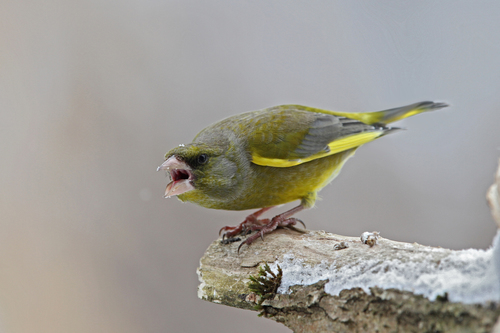 European Greenfinch
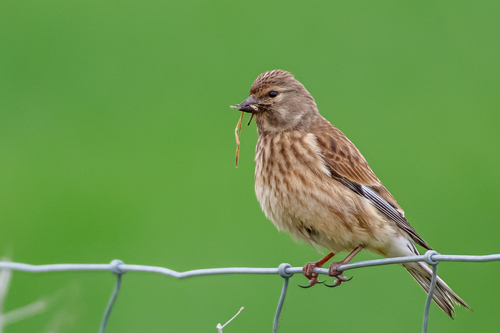 Common Linnet
In short
The most reliable field mark between European Greenfinch and Common Linnet is overall color: Greenfinch is mainly green with yellow in the wings and tail, while Linnet is brown above with white underparts and, in breeding males, red on the head and breast. Females and young of both species are duller, but Greenfinch always shows a thicker, conical bill and a chunkier, more sparrow-like shape. Linnet is slimmer, longer-tailed, and lacks any yellow. Immature birds can be tricky, but Greenfinch juveniles still show some yellow in the wing and a heavier bill. Both species can occur in similar habitats, but Greenfinch prefers denser vegetation and gardens, while Linnet is more often in open country.
Identification tips
- Yellow in wing and tail (all ages, all seasons): Greenfinch always shows yellow flashes in the wing and tail, visible both perched and in flight. Linnet never shows any yellow or green.
- Overall color (adults, females, juveniles): Greenfinch is mainly green (males) or olive/brownish with greenish tones (females/young). Linnet is brown above and white or buff below, with no greenish tinge.
- Bill shape (all ages): Greenfinch has a thick, conical bill—much deeper and more robust than Linnet's finer, grey bill. This is visible even at a distance.
- Body shape and posture: Greenfinch is chunkier, more sparrow-like, and sits upright. Linnet is slimmer, longer-tailed, and perches more horizontally.
- Adult male breeding plumage: Male Linnet in summer has a red head-patch and red breast, which Greenfinch never shows. Female and young Linnets lack red but are still brown and white, not greenish.
- Juvenile confusion: Young Greenfinch is dull but still shows yellow in wing/tail and a heavy bill. Young Linnet is streaked below and lacks any yellow.
- Flight style: Greenfinch's flight is slower and more looping, especially during display. Linnet has a lighter, more undulating flight.
- Habitat context: Greenfinch is more likely in gardens, dense hedges, and woodland edges. Linnet prefers open fields, weedy patches, and scrub.
- Group size: Linnet often forms flocks, especially outside breeding season. Greenfinch is more often solitary or in pairs during breeding.
- Song and calls: Listen for Greenfinch's wheezy, trilling song, especially if the bird is hidden in foliage. Linnet's song is more musical and less wheezy.
- Tail shape: Linnet's tail is longer and more pointed; Greenfinch's is shorter and more squared-off.
- Underpart streaking: Juvenile/female Linnet is streaked below; Greenfinch is plainer underneath.
- Urban vs rural: Greenfinch adapts well to urban/suburban gardens; Linnet is less likely in built-up areas.
- Feeding behavior: Greenfinch often feeds on seeds in trees or bushes; Linnet more often feeds on the ground in open areas.
- Seasonal variation: Only male Linnet in summer shows red—do not expect this mark in winter or in females/juveniles.
Size
European Greenfinch is noticeably bulkier and more sparrow-like, with a thick, conical bill and a body length of about 15 cm and a wingspan of 24.5–27.5 cm [wikipedia]. Common Linnet is slimmer and lighter, with an average body mass of 19 g [wikidata] and a longer, thinner tail. The overall impression is that Greenfinch is chunkier and heavier, while Linnet is more delicate and elongated.
Plumage
Juvenile and female Greenfinches are duller than males but always show some greenish tones and yellow in the wings and tail, even when perched or in flight. Their backs may have brownish tones, but the yellow is still visible, especially in the outer wing and tail feathers. Juvenile and female Linnets lack any yellow or green; they are brown above with streaked buff or white underparts. Adult male Linnets in summer are distinctive with red on the head and breast, but females and young are much plainer. In all ages and seasons, Greenfinch's yellow wing and tail flashes are diagnostic, especially in flight. Linnet never shows yellow or green, and its underparts are always paler and more streaked in young/females.
Behaviour
Greenfinch often appears more robust and sits upright, sometimes performing a slow, looping 'butterfly' display flight. It frequents dense vegetation, hedges, and gardens, often feeding on seeds both on the ground and in trees or bushes. Linnet is more active and agile, often seen in small flocks, and prefers open country, weedy fields, and scrub. It perches more horizontally and moves with a lighter, more undulating flight. Greenfinch is more likely to be seen alone or in pairs during breeding, while Linnet forms larger groups outside the breeding season.
Habitat
Greenfinch favors woodland edges, farmland hedges, and gardens with thick vegetation, often nesting in trees or bushes. Linnet is more associated with open country, weedy fields, and scrubby areas, and is less likely to be found in dense gardens. While both can overlap at farmland edges, Greenfinch is more urban and suburban, whereas Linnet avoids dense cover and prefers open, bushy landscapes.
Voice
Greenfinch's song is a mix of trilling, twittering, and wheezing notes, often delivered during a display flight. Linnet's song is not described in the notes, but is generally a pleasant, twittering warble. Greenfinch's wheezy calls can be a helpful clue, especially when heard from dense cover.