

Motmot

アオカワラヒワ 対 ムネアカヒワ

Chloris chloris 対 Linaria cannabina

アオカワラヒワとムネアカヒワのクイズ
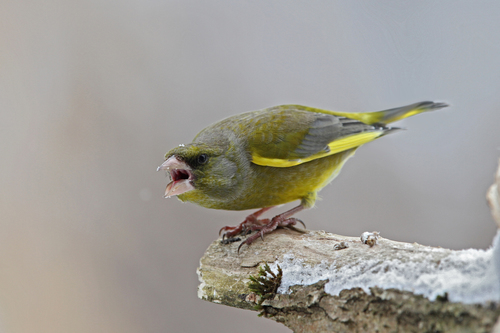
アオカワラヒワ (Chloris chloris) アオカワラヒワ
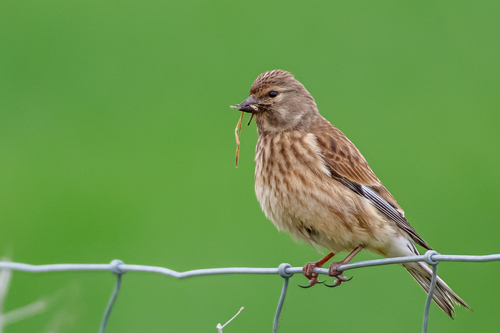
ムネアカヒワ (Linaria cannabina) ムネアカヒワ

メディア

読み込み中…

要点

ヨーロッパアオカワラヒワとムネアカヒワの最も信頼できるフィールドマークは全体の色です:アオカワラヒワは主に緑色で、翼と尾に黄色が見られ、ムネアカヒワは上面が茶色で、下面が白く、繁殖期のオスでは頭と胸に赤があります。両種の雌と若鳥は鈍い色合いですが、アオカワラヒワは常により厚く、円錐形のくちばしと、よりスズメのような形を示します。ムネアカヒワはスリムで、尾が長く、黄色がありません。未成熟の鳥は見分けが難しいことがありますが、アオカワラヒワの幼鳥は翼に黄色が見られ、より重いくちばしを持っています。両種は似たような生息地に出現することがありますが、アオカワラヒワはより密な植生や庭を好み、ムネアカヒワはより開けた土地に多く見られます。

識別のコツ

  1. 翼と尾の黄色(すべての年齢、すべての季節): アオカワラヒワは常に翼と尾に黄色のフラッシュを示し、止まっている時も飛んでいる時も見えます。ムネアカヒワは黄色や緑を示しません。
  2. 全体の色(成鳥、雌、幼鳥): アオカワラヒワは主に緑色(オス)またはオリーブ/茶色がかった緑色(雌/若鳥)です。ムネアカヒワは上面が茶色で、下面が白またはクリーム色で、緑がかった色合いはありません。
  3. くちばしの形(すべての年齢): アオカワラヒワは厚く、円錐形のくちばしを持ち、ムネアカヒワのより細く、灰色のくちばしよりもはるかに深く、頑丈です。これは遠くからでも見えます。
  4. 体の形と姿勢: アオカワラヒワはよりずんぐりしていて、スズメのようで、直立して座ります。ムネアカヒワはスリムで、尾が長く、より水平に止まります。
  5. 成鳥オスの繁殖羽衣: 夏のムネアカヒワのオスは赤い頭部の斑点と赤い胸を持ち、アオカワラヒワはこれを示しません。雌と若いムネアカヒワは赤がありませんが、依然として茶色と白で、緑がかっていません。
  6. 幼鳥の混乱: 若いアオカワラヒワは鈍いですが、翼/尾に黄色が見られ、重いくちばしを持っています。若いムネアカヒワは下面に縞模様があり、黄色はありません。
  7. 飛行スタイル: アオカワラヒワの飛行は遅く、よりループ状で、特にディスプレイ中に顕著です。ムネアカヒワはより軽やかで、波打つような飛行をします。
  8. 生息地の文脈: アオカワラヒワは庭、密な生け垣、森林の縁に多く見られます。ムネアカヒワは開けた野原、雑草の生えた場所、低木を好みます。
  9. 群れのサイズ: ムネアカヒワは繁殖期以外に特に群れを形成することが多いです。アオカワラヒワは繁殖中はより孤立しているか、ペアで見られることが多いです。
  10. 歌と鳴き声: アオカワラヒワの喘ぎ声のようなトリルの歌を聞いてください。特に鳥が葉の中に隠れている場合はそうです。ムネアカヒワの歌はより音楽的で、喘ぎ声が少ないです。
  11. 尾の形: ムネアカヒワの尾は長く、尖っています。アオカワラヒワの尾は短く、より四角いです。
  12. 下面の縞模様: 幼鳥/雌のムネアカヒワは下面に縞模様があります。アオカワラヒワは下面がよりシンプルです。
  13. 都市部対田舎: アオカワラヒワは都市/郊外の庭に適応しやすいですが、ムネアカヒワは建物の多い地域にはあまり見られません。
  14. 食事行動: アオカワラヒワはしばしば木や低木の種を食べますが、ムネアカヒワは開けた場所で地面で食べることが多いです。
  15. 季節的変化: 夏のムネアカヒワのオスだけが赤を示します。冬や雌/幼鳥ではこのマークを期待しないでください。

大きさ

ヨーロッパアオカワラヒワは明らかにずんぐりしていて、スズメのようで、厚く円錐形のくちばしを持ち、体長は約15 cm、翼幅は24.5–27.5 cmです [wikipedia]。ムネアカヒワはスリムで軽量で、平均体重は19 gです [wikidata]。全体的な印象は、アオカワラヒワがずんぐりしていて重いのに対し、ムネアカヒワはより繊細で細長いというものです。

羽色

幼鳥と雌のアオカワラヒワはオスより鈍いですが、常に翼と尾に緑がかった色合いと黄色を示します。彼らの背中には茶色がかった色合いがあるかもしれませんが、黄色は依然として見え、特に外側の翼と尾の羽毛で目立ちます。幼鳥と雌のムネアカヒワは黄色や緑を欠き、上面は茶色で、下面は縞模様のクリーム色または白です。夏の成鳥オスのムネアカヒワは頭と胸に赤があり、特徴的ですが、雌と若いものはずっと地味です。すべての年齢と季節において、アオカワラヒワの黄色い翼と尾のフラッシュは診断的で、特に飛行中に顕著です。ムネアカヒワは決して黄色や緑を示さず、若い/雌のものは常により淡い色合いで、縞模様があります。

行動

アオカワラヒワはしばしばより頑丈に見え、直立して座り、時には遅く、ループ状の「蝶」のディスプレイ飛行を行います。密な植生、生け垣、庭に頻繁に出現し、地面や木や低木の両方で種を食べることが多いです。ムネアカヒワはより活発で敏捷で、小さな群れで見られることが多く、開けた土地、雑草の生えた野原、低木を好みます。より水平に止まり、軽やかで波打つような飛行をします。アオカワラヒワは繁殖中は一人またはペアで見られることが多いのに対し、ムネアカヒワは繁殖期以外により大きな群れを形成します。

生息環境

アオカワラヒワは森林の縁、農地の生け垣、密な植生のある庭を好み、しばしば木や低木に巣を作ります。ムネアカヒワは開けた土地、雑草の生えた野原、低木の多い地域に関連しており、密な庭には見られにくいです。両者は農地の縁で重なることがありますが、アオカワラヒワはより都市部や郊外に多く、ムネアカヒワは密なカバーを避け、開けた茂みのある風景を好みます。

声

アオカワラヒワの歌はトリル、ツイッター、喘ぎ声の音の混合で、しばしばディスプレイ飛行中に発せられます。ムネアカヒワの歌はノートに記載されていませんが、一般的には心地よいツイッターのようなさえずりです。アオカワラヒワの喘ぎ声は、特に密なカバーから聞こえるときに役立つ手がかりとなります。

より良い説明を送る

比較と同じ項目を使ってください。文章はすぐに公開されます。

The most reliable field mark between European Greenfinch and Common Linnet is overall color: Greenfinch is mainly green with yellow in the wings and tail, while Linnet is brown above with white underparts and, in breeding males, red on the head and breast. Females and young of both species are duller, but Greenfinch always shows a thicker, conical bill and a chunkier, more sparrow-like shape. Linnet is slimmer, longer-tailed, and lacks any yellow. Immature birds can be tricky, but Greenfinch juveniles still show some yellow in the wing and a heavier bill. Both species can occur in similar habitats, but Greenfinch prefers denser vegetation and gardens, while Linnet is more often in open country.

  1. Yellow in wing and tail (all ages, all seasons): Greenfinch always shows yellow flashes in the wing and tail, visible both perched and in flight. Linnet never shows any yellow or green.
  2. Overall color (adults, females, juveniles): Greenfinch is mainly green (males) or olive/brownish with greenish tones (females/young). Linnet is brown above and white or buff below, with no greenish tinge.
  3. Bill shape (all ages): Greenfinch has a thick, conical bill—much deeper and more robust than Linnet's finer, grey bill. This is visible even at a distance.
  4. Body shape and posture: Greenfinch is chunkier, more sparrow-like, and sits upright. Linnet is slimmer, longer-tailed, and perches more horizontally.
  5. Adult male breeding plumage: Male Linnet in summer has a red head-patch and red breast, which Greenfinch never shows. Female and young Linnets lack red but are still brown and white, not greenish.
  6. Juvenile confusion: Young Greenfinch is dull but still shows yellow in wing/tail and a heavy bill. Young Linnet is streaked below and lacks any yellow.
  7. Flight style: Greenfinch's flight is slower and more looping, especially during display. Linnet has a lighter, more undulating flight.
  8. Habitat context: Greenfinch is more likely in gardens, dense hedges, and woodland edges. Linnet prefers open fields, weedy patches, and scrub.
  9. Group size: Linnet often forms flocks, especially outside breeding season. Greenfinch is more often solitary or in pairs during breeding.
  10. Song and calls: Listen for Greenfinch's wheezy, trilling song, especially if the bird is hidden in foliage. Linnet's song is more musical and less wheezy.
  11. Tail shape: Linnet's tail is longer and more pointed; Greenfinch's is shorter and more squared-off.
  12. Underpart streaking: Juvenile/female Linnet is streaked below; Greenfinch is plainer underneath.
  13. Urban vs rural: Greenfinch adapts well to urban/suburban gardens; Linnet is less likely in built-up areas.
  14. Feeding behavior: Greenfinch often feeds on seeds in trees or bushes; Linnet more often feeds on the ground in open areas.
  15. Seasonal variation: Only male Linnet in summer shows red—do not expect this mark in winter or in females/juveniles.

European Greenfinch is noticeably bulkier and more sparrow-like, with a thick, conical bill and a body length of about 15 cm and a wingspan of 24.5–27.5 cm [wikipedia]. Common Linnet is slimmer and lighter, with an average body mass of 19 g [wikidata] and a longer, thinner tail. The overall impression is that Greenfinch is chunkier and heavier, while Linnet is more delicate and elongated.

Juvenile and female Greenfinches are duller than males but always show some greenish tones and yellow in the wings and tail, even when perched or in flight. Their backs may have brownish tones, but the yellow is still visible, especially in the outer wing and tail feathers. Juvenile and female Linnets lack any yellow or green; they are brown above with streaked buff or white underparts. Adult male Linnets in summer are distinctive with red on the head and breast, but females and young are much plainer. In all ages and seasons, Greenfinch's yellow wing and tail flashes are diagnostic, especially in flight. Linnet never shows yellow or green, and its underparts are always paler and more streaked in young/females.

Greenfinch often appears more robust and sits upright, sometimes performing a slow, looping 'butterfly' display flight. It frequents dense vegetation, hedges, and gardens, often feeding on seeds both on the ground and in trees or bushes. Linnet is more active and agile, often seen in small flocks, and prefers open country, weedy fields, and scrub. It perches more horizontally and moves with a lighter, more undulating flight. Greenfinch is more likely to be seen alone or in pairs during breeding, while Linnet forms larger groups outside the breeding season.

Greenfinch favors woodland edges, farmland hedges, and gardens with thick vegetation, often nesting in trees or bushes. Linnet is more associated with open country, weedy fields, and scrubby areas, and is less likely to be found in dense gardens. While both can overlap at farmland edges, Greenfinch is more urban and suburban, whereas Linnet avoids dense cover and prefers open, bushy landscapes.

Greenfinch's song is a mix of trilling, twittering, and wheezing notes, often delivered during a display flight. Linnet's song is not described in the notes, but is generally a pleasant, twittering warble. Greenfinch's wheezy calls can be a helpful clue, especially when heard from dense cover.

変更を破棄しますか?

保存していない編集があります。今離れると失われます。

アオカワラヒワ · ムネアカヒワ · 苦手な鳥