

Motmot

Common Gull vs Great Black-backed Gull

Larus canus versus Larus marinus

Play a quiz with Common Gull and Great Black-backed Gull
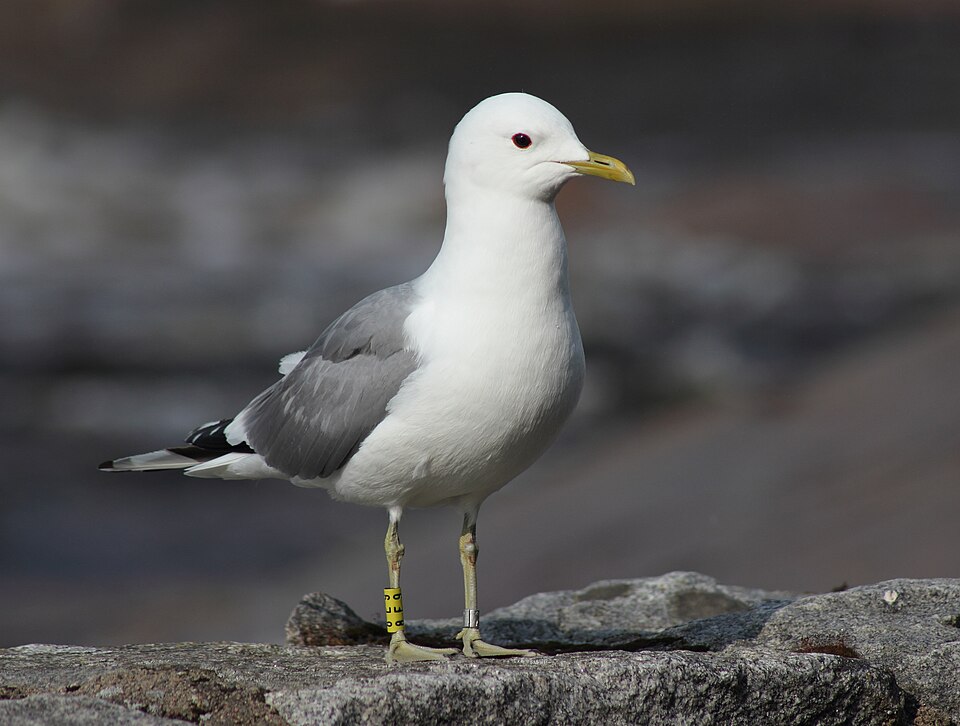
Common Gull (Larus canus) Common Gull
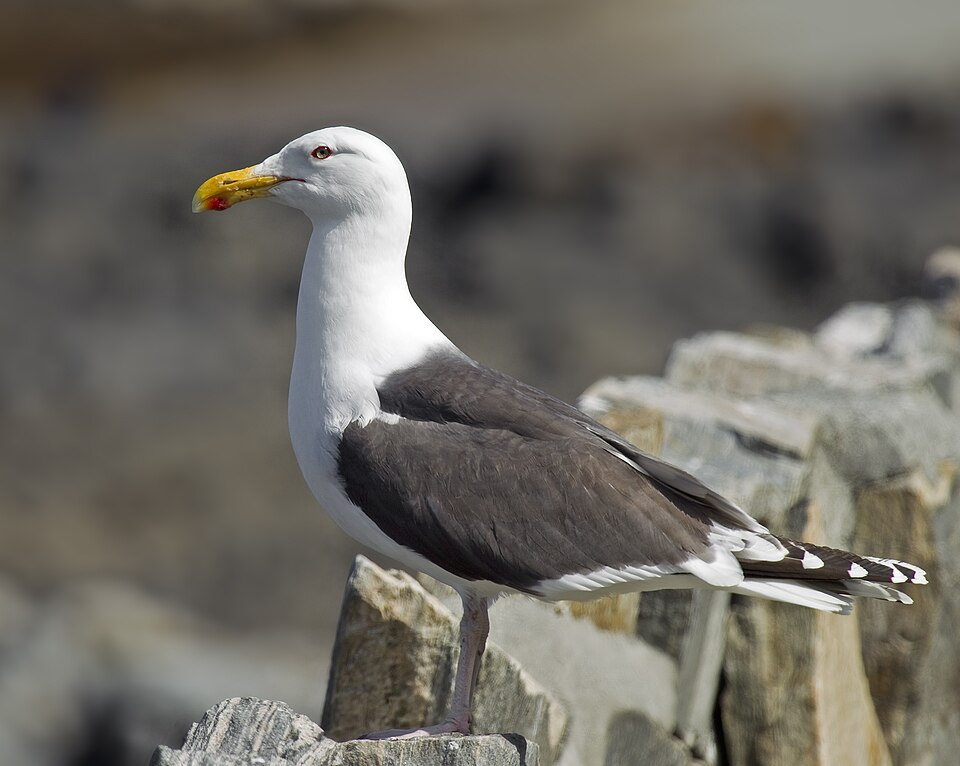
Great Black-backed Gull (Larus marinus) Great Black-backed Gull

Media

Loading…

In short

The most reliable field mark to separate Common Gull from Great Black-backed Gull is overall size and structure: Great Black-backed is vastly larger and bulkier, with a massive bill and heavy proportions, while Common Gull is medium-sized and much more delicate. For immatures, both can show scaly brown upperparts and neat wing patterns, but Great Black-backed juveniles are much larger, with a stouter, darker bill and a distinctive white tail with bold black banding. Adults are easily told apart by mantle color: Great Black-backed has a blackish upperwing and back, while Common Gull is pale grey. If you see a gull with a greenish, slender bill and yellowish legs, it's a Common Gull; if the bird is huge, with a thick bill and pinkish legs, it's a Great Black-backed. Confusion is most likely with distant or lone immatures, but size and structure remain decisive.

Identification tips

  1. Size is the first check: Great Black-backed Gull is enormous compared to Common Gull. If you see a gull that looks huge and imposing, especially among other gulls, suspect Great Black-backed.
  2. Bill structure: Great Black-backed has a thick, heavy, powerful bill; Common Gull's bill is slender, shorter, and more tapered. In adults, Common Gull's bill is greenish-yellow and unmarked in breeding season, while Great Black-backed's is pale with a red spot in adults (not detailed here, but implied by structure).
  3. Leg color: Adult Common Gull has yellow legs in breeding season (duller in winter), while Great Black-backed has pinkish legs. Juvenile Common Gull starts with pink legs, turning greyish before yellow; Great Black-backed juvenile legs are dark bluish-grey with pink tones.
  4. Mantle and upperwing color (adults): Great Black-backed shows a blackish mantle and upperwings, contrasting with white underparts. Common Gull is pale grey above, never blackish.
  5. Juvenile tail pattern: Great Black-backed juvenile has a white tail with bold, broken black band near the tip and zigzag bars at the base. Common Gull juvenile tail is less boldly marked.
  6. Juvenile bill color: Great Black-backed juvenile has a brownish-black bill with white tip; Common Gull juvenile's bill is slimmer and less contrasting.
  7. Head and underpart streaking (immatures): Both species show streaking, but Great Black-backed is generally darker and dirtier-looking, especially by third year, while Common Gull becomes cleaner with white head and belly and fine streaks in first winter.
  8. Wing pattern in flight (immatures): Both have neat wing patterns, but Great Black-backed's larger size and heavier build are always apparent. Common Gull's flight is lighter and more buoyant.
  9. Behavior: Great Black-backed is aggressive, predatory, and dominant, often seen chasing or pirating from other birds. Common Gull is less aggressive and more likely to be seen in mixed flocks without dominating.
  10. Habitat context: Away from the coast, Great Black-backed is less likely; Common Gull is more adaptable to inland habitats.
  11. Voice: If heard, Great Black-backed's call is much deeper and more resonant than Common Gull's higher-pitched 'laugh'.
  12. Seasonal changes: In winter, Common Gull's head becomes streaked grey and the bill may show a weak dark band, but overall size and structure still separate it from Great Black-backed.
  13. Pitfalls: Distant or lone immature birds can cause confusion, but always check for size and bill thickness. If the bird looks medium-sized and delicate, it's not a Great Black-backed.
  14. Flock context: In mixed groups, Great Black-backed stands out by size and dominance. Common Gull blends in with other medium gulls.
  15. Maturity timing: Great Black-backed takes at least four years to reach adult plumage, so large, dark, streaky immatures may persist longer; Common Gull matures in three years (four in eastern subspecies), so check age if possible.

Size

Great Black-backed Gull is the largest gull in the region, dwarfing Common Gull. Common Gull averages about 386.5 g in body mass, while Great Black-backed is much heavier (not specified here, but always vastly larger in direct comparison). In the field, Great Black-backed appears massive, with a thick neck, deep chest, and a huge, powerful bill. Common Gull is medium-sized, noticeably smaller and more graceful, with a finer, shorter bill and slimmer build. Even a lone Great Black-backed will look imposing compared to any Common Gull, and in mixed flocks the size gap is obvious.

Plumage

Juvenile and first-winter birds of both species have scaly, checkered brown upperparts and neat wing patterns, but Great Black-backed juveniles are much larger and bulkier, with a white tail featuring a bold, broken black band near the tip and zigzag bars at the base. Their bills are brownish-black with a white tip, and legs are dark bluish-grey with some pink tones. Common Gull juveniles are smaller, with pink legs (turning greyish in the second year), a more slender bill, and lack the bold tail pattern of Great Black-backed. By first winter, Common Gull shows a white head and belly with fine streaks and greyish saddle feathers, while Great Black-backed remains more uniformly streaked and darker overall. Adults are straightforward: Great Black-backed has a blackish mantle and upperwings with white underparts, while Common Gull is pale grey above and white below. Adult Common Gull has yellow legs in breeding season (duller in winter) and a greenish, slender, unmarked bill, while Great Black-backed has pinkish legs and a thick, powerful bill.

Behaviour

Great Black-backed Gull behaves more like a raptor than a typical gull, often hunting and killing prey, including other birds and mammals. It is aggressive, dominant, and frequently pirates food from other birds. Common Gull is more of a typical medium gull, omnivorous and opportunistic, but not nearly as predatory or aggressive. In mixed flocks, Great Black-backed will dominate, often displacing other gulls from food sources. Flight style also differs: Great Black-backed appears heavy and powerful in flight, while Common Gull is lighter and more agile.

Habitat

Both species can be found along coasts and inland waters, but Great Black-backed Gull is more strictly associated with North Atlantic coasts and islands, breeding in northern Europe and northeastern North America. Common Gull breeds across the Palearctic in cool temperate regions and is more likely to be found inland, especially in Europe and Asia. In winter, both may occur together along coasts, but Great Black-backed is less likely to be found far inland. If you are far from the coast, a large black-backed gull is less likely.

Voice

Both species have 'laughing' cries, but Great Black-backed Gull's voice is much deeper and more resonant, often described as a deep 'kaa-ga-ga' with a drawn-out first note. Common Gull's call is higher-pitched and less powerful. In the field, the difference in pitch and volume can help, but is not always diagnostic unless both are heard together.

Submit a better description

Use the same sections as the comparison. Your text is published immediately.

The most reliable field mark to separate Common Gull from Great Black-backed Gull is overall size and structure: Great Black-backed is vastly larger and bulkier, with a massive bill and heavy proportions, while Common Gull is medium-sized and much more delicate. For immatures, both can show scaly brown upperparts and neat wing patterns, but Great Black-backed juveniles are much larger, with a stouter, darker bill and a distinctive white tail with bold black banding. Adults are easily told apart by mantle color: Great Black-backed has a blackish upperwing and back, while Common Gull is pale grey. If you see a gull with a greenish, slender bill and yellowish legs, it's a Common Gull; if the bird is huge, with a thick bill and pinkish legs, it's a Great Black-backed. Confusion is most likely with distant or lone immatures, but size and structure remain decisive.

  1. Size is the first check: Great Black-backed Gull is enormous compared to Common Gull. If you see a gull that looks huge and imposing, especially among other gulls, suspect Great Black-backed.
  2. Bill structure: Great Black-backed has a thick, heavy, powerful bill; Common Gull's bill is slender, shorter, and more tapered. In adults, Common Gull's bill is greenish-yellow and unmarked in breeding season, while Great Black-backed's is pale with a red spot in adults (not detailed here, but implied by structure).
  3. Leg color: Adult Common Gull has yellow legs in breeding season (duller in winter), while Great Black-backed has pinkish legs. Juvenile Common Gull starts with pink legs, turning greyish before yellow; Great Black-backed juvenile legs are dark bluish-grey with pink tones.
  4. Mantle and upperwing color (adults): Great Black-backed shows a blackish mantle and upperwings, contrasting with white underparts. Common Gull is pale grey above, never blackish.
  5. Juvenile tail pattern: Great Black-backed juvenile has a white tail with bold, broken black band near the tip and zigzag bars at the base. Common Gull juvenile tail is less boldly marked.
  6. Juvenile bill color: Great Black-backed juvenile has a brownish-black bill with white tip; Common Gull juvenile's bill is slimmer and less contrasting.
  7. Head and underpart streaking (immatures): Both species show streaking, but Great Black-backed is generally darker and dirtier-looking, especially by third year, while Common Gull becomes cleaner with white head and belly and fine streaks in first winter.
  8. Wing pattern in flight (immatures): Both have neat wing patterns, but Great Black-backed's larger size and heavier build are always apparent. Common Gull's flight is lighter and more buoyant.
  9. Behavior: Great Black-backed is aggressive, predatory, and dominant, often seen chasing or pirating from other birds. Common Gull is less aggressive and more likely to be seen in mixed flocks without dominating.
  10. Habitat context: Away from the coast, Great Black-backed is less likely; Common Gull is more adaptable to inland habitats.
  11. Voice: If heard, Great Black-backed's call is much deeper and more resonant than Common Gull's higher-pitched 'laugh'.
  12. Seasonal changes: In winter, Common Gull's head becomes streaked grey and the bill may show a weak dark band, but overall size and structure still separate it from Great Black-backed.
  13. Pitfalls: Distant or lone immature birds can cause confusion, but always check for size and bill thickness. If the bird looks medium-sized and delicate, it's not a Great Black-backed.
  14. Flock context: In mixed groups, Great Black-backed stands out by size and dominance. Common Gull blends in with other medium gulls.
  15. Maturity timing: Great Black-backed takes at least four years to reach adult plumage, so large, dark, streaky immatures may persist longer; Common Gull matures in three years (four in eastern subspecies), so check age if possible.

Great Black-backed Gull is the largest gull in the region, dwarfing Common Gull. Common Gull averages about 386.5 g in body mass, while Great Black-backed is much heavier (not specified here, but always vastly larger in direct comparison). In the field, Great Black-backed appears massive, with a thick neck, deep chest, and a huge, powerful bill. Common Gull is medium-sized, noticeably smaller and more graceful, with a finer, shorter bill and slimmer build. Even a lone Great Black-backed will look imposing compared to any Common Gull, and in mixed flocks the size gap is obvious.

Juvenile and first-winter birds of both species have scaly, checkered brown upperparts and neat wing patterns, but Great Black-backed juveniles are much larger and bulkier, with a white tail featuring a bold, broken black band near the tip and zigzag bars at the base. Their bills are brownish-black with a white tip, and legs are dark bluish-grey with some pink tones. Common Gull juveniles are smaller, with pink legs (turning greyish in the second year), a more slender bill, and lack the bold tail pattern of Great Black-backed. By first winter, Common Gull shows a white head and belly with fine streaks and greyish saddle feathers, while Great Black-backed remains more uniformly streaked and darker overall. Adults are straightforward: Great Black-backed has a blackish mantle and upperwings with white underparts, while Common Gull is pale grey above and white below. Adult Common Gull has yellow legs in breeding season (duller in winter) and a greenish, slender, unmarked bill, while Great Black-backed has pinkish legs and a thick, powerful bill.

Great Black-backed Gull behaves more like a raptor than a typical gull, often hunting and killing prey, including other birds and mammals. It is aggressive, dominant, and frequently pirates food from other birds. Common Gull is more of a typical medium gull, omnivorous and opportunistic, but not nearly as predatory or aggressive. In mixed flocks, Great Black-backed will dominate, often displacing other gulls from food sources. Flight style also differs: Great Black-backed appears heavy and powerful in flight, while Common Gull is lighter and more agile.

Both species can be found along coasts and inland waters, but Great Black-backed Gull is more strictly associated with North Atlantic coasts and islands, breeding in northern Europe and northeastern North America. Common Gull breeds across the Palearctic in cool temperate regions and is more likely to be found inland, especially in Europe and Asia. In winter, both may occur together along coasts, but Great Black-backed is less likely to be found far inland. If you are far from the coast, a large black-backed gull is less likely.

Both species have 'laughing' cries, but Great Black-backed Gull's voice is much deeper and more resonant, often described as a deep 'kaa-ga-ga' with a drawn-out first note. Common Gull's call is higher-pitched and less powerful. In the field, the difference in pitch and volume can help, but is not always diagnostic unless both are heard together.

Discard your changes?

You have unsaved edits. If you leave now, those changes will be lost.

Common Gull · Great Black-backed Gull · My Tricky Birds