

Gavina vs Mugnaiaccio
Larus canus contro Larus marinus
Fai un quiz con Gavina e Mugnaiaccio
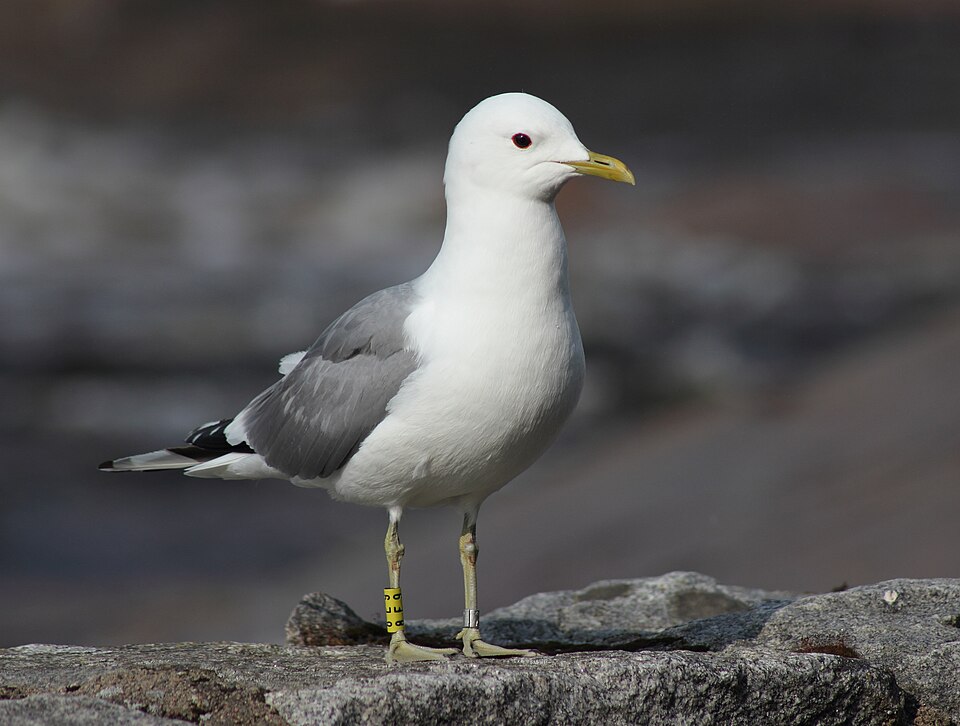 Gavina
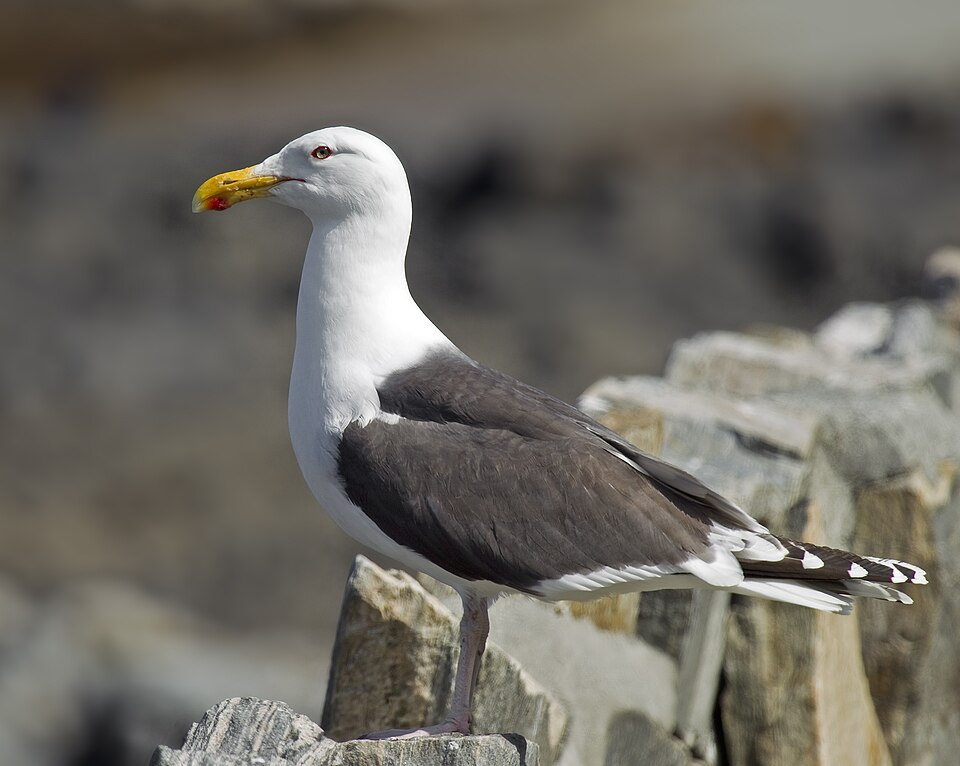 Mugnaiaccio
In breve
Il segno di campo più affidabile per separare la Gavina dal Mugnaiaccio è la dimensione e la struttura complessiva: il Mugnaiaccio è notevolmente più grande e massiccio, con un becco massiccio e proporzioni pesanti, mentre la Gavina è di dimensioni medie e molto più delicata. Per gli immaturi, entrambi possono mostrare parti superiori marroni squamose e schemi di ali ordinati, ma i giovani Mugnaiaccio sono molto più grandi, con un becco più robusto e scuro e una coda bianca distintiva con bande nere audaci. Gli adulti si distinguono facilmente per il colore del mantello: il Mugnaiaccio ha un'ala superiore e un dorso nerastro, mentre la Gavina è grigia chiara. Se vedi un gabbiano con un becco verdeastro, sottile e zampe giallastre, è una Gavina; se l'uccello è enorme, con un becco spesso e zampe rosate, è un Mugnaiaccio. La confusione è più probabile con immaturi lontani o solitari, ma la dimensione e la struttura rimangono decisive.
Consigli di identificazione
- La dimensione è il primo controllo: il Mugnaiaccio è enorme rispetto alla Gavina. Se vedi un gabbiano che sembra enorme e imponente, soprattutto tra altri gabbiani, sospetta un Mugnaiaccio.
- Struttura del becco: il Mugnaiaccio ha un becco spesso, pesante e potente; il becco della Gavina è sottile, più corto e più affusolato. Negli adulti, il becco della Gavina è giallo-verde e privo di segni durante la stagione di nidificazione, mentre quello del Mugnaiaccio è chiaro con una macchia rossa negli adulti (non dettagliato qui, ma implicato dalla struttura).
- Colore delle zampe: la Gavina adulta ha zampe gialle durante la stagione di nidificazione (meno vivaci in inverno), mentre il Mugnaiaccio ha zampe rosate. La Gavina giovane inizia con zampe rosa, che diventano grigio prima di diventare gialle; le zampe del giovane Mugnaiaccio sono di un grigio-bluastro scuro con toni rosa.
- Colore del mantello e dell'ala superiore (adulti): il Mugnaiaccio mostra un mantello e ali superiori nerastre, in contrasto con le parti inferiori bianche. La Gavina è grigia chiara sopra, mai nerastra.
- Schema della coda dei giovani: il giovane Mugnaiaccio ha una coda bianca con una banda nera audace e spezzata vicino alla punta e barre a zigzag alla base. La coda del giovane Gavina è meno audacemente segnata.
- Colore del becco dei giovani: il giovane Mugnaiaccio ha un becco marrone-nero con punta bianca; il becco del giovane Gavina è più snello e meno contrastante.
- Striature sulla testa e sulle parti inferiori (immaturi): entrambe le specie mostrano striature, ma il Mugnaiaccio è generalmente più scuro e dall'aspetto più sporco, specialmente al terzo anno, mentre la Gavina diventa più pulita con testa e pancia bianche e sottili striature nel primo inverno.
- Schema delle ali in volo (immaturi): entrambe hanno schemi di ali ordinati, ma la dimensione maggiore e la costruzione più pesante del Mugnaiaccio sono sempre evidenti. Il volo della Gavina è più leggero e più galleggiante.
- Comportamento: il Mugnaiaccio è aggressivo, predatorio e dominante, spesso visto inseguire o derubare altri uccelli. La Gavina è meno aggressiva e più probabile da vedere in stormi misti senza dominare.
- Contesto dell'habitat: lontano dalla costa, il Mugnaiaccio è meno probabile; la Gavina è più adattabile agli habitat interni.
- Voce: se sentito, il richiamo del Mugnaiaccio è molto più profondo e risonante rispetto al 'riso' più acuto della Gavina.
- Cambiamenti stagionali: in inverno, la testa della Gavina diventa striata di grigio e il becco può mostrare una debole banda scura, ma la dimensione e la struttura complessive la separano ancora dal Mugnaiaccio.
- Trappole: gli uccelli immaturi lontani o solitari possono causare confusione, ma controlla sempre la dimensione e lo spessore del becco. Se l'uccello sembra di dimensioni medie e delicato, non è un Mugnaiaccio.
- Contesto del gruppo: in gruppi misti, il Mugnaiaccio si distingue per dimensione e dominio. La Gavina si mescola con altri gabbiani di medie dimensioni.
- Tempistica della maturità: il Mugnaiaccio impiega almeno quattro anni per raggiungere il piumaggio adulto, quindi grandi immaturi scuri e striati possono persistere più a lungo; la Gavina matura in tre anni (quattro nelle sottospecie orientali), quindi controlla l'età se possibile.
Taglia
Il Mugnaiaccio è il gabbiano più grande della regione, facendo sembrare la Gavina un nano. La Gavina pesa in media circa 386,5 g, mentre il Mugnaiaccio è molto più pesante (non specificato qui, ma sempre notevolmente più grande in confronto diretto). Sul campo, il Mugnaiaccio appare massiccio, con un collo spesso, un petto profondo e un becco enorme e potente. La Gavina è di dimensioni medie, visibilmente più piccola e più graziosa, con un becco più fine e corto e una costruzione più snella. Anche un solo Mugnaiaccio sembrerà imponente rispetto a qualsiasi Gavina, e in stormi misti il divario di dimensioni è evidente.
Piumaggio
Gli uccelli giovani e di primo inverno di entrambe le specie hanno parti superiori marroni squamose e schemi di ali ordinati, ma i giovani Mugnaiaccio sono molto più grandi e massicci, con una coda bianca che presenta una banda nera audace e spezzata vicino alla punta e barre a zigzag alla base. I loro becchi sono marrone-neri con una punta bianca, e le zampe sono di un grigio-bluastro scuro con alcuni toni rosa. I giovani Gavina sono più piccoli, con zampe rosa (che diventano grigio nel secondo anno), un becco più snello e mancano del pattern audace della coda del Mugnaiaccio. Nel primo inverno, la Gavina mostra una testa e una pancia bianche con sottili striature e piume di sella grigio, mentre il Mugnaiaccio rimane più uniformemente striato e più scuro nel complesso. Gli adulti sono chiari: il Mugnaiaccio ha un mantello e ali superiori nerastre con parti inferiori bianche, mentre la Gavina è grigia chiara sopra e bianca sotto. La Gavina adulta ha zampe gialle durante la stagione di nidificazione (meno vivaci in inverno) e un becco verdeastro, sottile e privo di segni, mentre il Mugnaiaccio ha zampe rosate e un becco spesso e potente.
Comportamento
Il Mugnaiaccio si comporta più come un rapace che come un gabbiano tipico, spesso cacciando e uccidendo prede, inclusi altri uccelli e mammiferi. È aggressivo, dominante e frequentemente deruba cibo ad altri uccelli. La Gavina è più un gabbiano di medie dimensioni tipico, onnivoro e opportunista, ma non così predatorio o aggressivo. In stormi misti, il Mugnaiaccio dominerà, spesso spostando altri gabbiani dalle fonti di cibo. Anche lo stile di volo differisce: il Mugnaiaccio appare pesante e potente in volo, mentre la Gavina è più leggera e più agile.
Habitat
Entrambe le specie possono essere trovate lungo le coste e le acque interne, ma il Mugnaiaccio è più strettamente associato alle coste e isole dell'Atlantico settentrionale, nidificando nel nord Europa e nel nord-est del Nord America. La Gavina nidifica in tutta la Paleartica in regioni temperate fresche ed è più probabile trovarla nell'entroterra, specialmente in Europa e Asia. In inverno, entrambe possono verificarsi insieme lungo le coste, ma il Mugnaiaccio è meno probabile che si trovi lontano nell'entroterra. Se sei lontano dalla costa, un grande gabbiano con dorso nero è meno probabile.
Voce
Entrambe le specie hanno grida 'ridacchianti', ma la voce del Mugnaiaccio è molto più profonda e risonante, spesso descritta come un profondo 'kaa-ga-ga' con una nota iniziale prolungata. Il richiamo della Gavina è più acuto e meno potente. Sul campo, la differenza di tono e volume può aiutare, ma non è sempre diagnostica a meno che entrambi non siano sentiti insieme.