

Motmot

Cirl Bunting vs Ortolan Bunting

Emberiza cirlus versus Emberiza hortulana

Play a quiz with Cirl Bunting and Ortolan Bunting
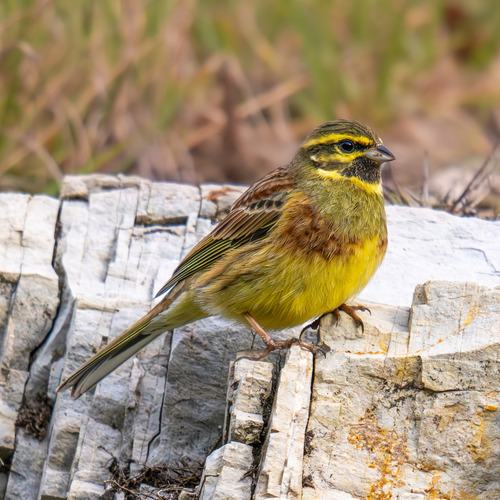
Cirl Bunting (Emberiza cirlus) Cirl Bunting
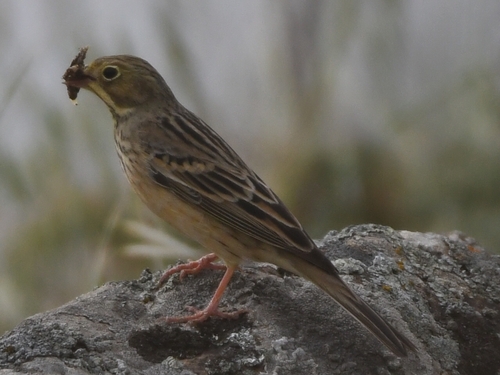
Ortolan Bunting (Emberiza hortulana) Ortolan Bunting

Media

Loading…

In short

The most reliable field mark to separate Cirl Bunting from Ortolan Bunting is the male's head pattern: Cirl Bunting males show a bright yellow head with bold black crown, eyestripe, and throat, while Ortolan Bunting males have a duller, greenish-grey head lacking strong black markings. Females and immatures are trickier, but Cirl Bunting tends to show more yellow on the underparts and a streaked grey-brown rump, while Ortolan is generally plainer and less yellow. Both species are similar in size and overall structure, but Ortolan is slightly larger. In flight or at a distance, focus on head pattern and underpart color, but beware that females and young birds of both species can be confusingly similar.

Identification tips

  1. Male head pattern: In spring and summer, look for the Cirl Bunting male's bright yellow head with bold black crown, eyestripe, and throat. Ortolan Bunting males have a greenish-grey head with no black markings.
  2. Female/immature confusion: Females and young birds are much more similar. Cirl Bunting females show a streaked grey-brown rump and some yellow on the underparts, while Ortolan females are plainer, with a greenish-grey head and less yellow overall.
  3. Underpart color: Cirl Bunting (both sexes) usually shows more yellow on the underparts, especially on the belly and breast, sometimes with a greenish breast band. Ortolan Bunting is less yellow and more buff or greyish below.
  4. Rump and shoulder: Female Cirl Bunting has a streaked grey-brown rump and chestnut shoulders, which can be a subtle but helpful mark. Ortolan Bunting lacks the chestnut shoulder and has a plainer rump.
  5. Bill structure: Both species have a thick, conical bunting bill, but Cirl Bunting's may appear slightly stubbier. This is subtle and not always reliable.
  6. Size: Ortolan Bunting is slightly larger, but the difference is minor and not a strong field mark unless directly compared.
  7. Song: Cirl Bunting's song is a rattling trill, while Ortolan's is more like a Yellowhammer but without the distinctive ending. Use with caution unless familiar with both.
  8. Habitat and range: In southern Europe and the Mediterranean, Cirl Bunting is more likely, especially in farmland with hedges and rough grass. Ortolan Bunting is migratory and more likely in open fields or as a passage migrant.
  9. Seasonal context: Cirl Bunting is resident; Ortolan Bunting is present only in the breeding season or on migration. Out of season, a bunting in southern Europe is more likely Cirl.
  10. Flight views: No distinctive upperwing or tail pattern is described for either species in the notes, so rely on head and underpart color even in flight.
  11. Pitfalls: Beware that female and immature Cirl Buntings can look very similar to Ortolan Buntings, especially in dull light or at a distance. Focus on any yellow tones and rump/shoulder pattern.
  12. Local abundance: In the UK, Cirl Bunting is restricted to the southwest and is a local resident, while Ortolan is a rare migrant, mostly in autumn.
  13. Perched vs. ground: Both species often feed on the ground and perch on low vegetation; behavior is not a reliable separator.
  14. Jizz: Both species have typical bunting structure and posture; do not rely on overall shape or flight style for separation.
  15. No upperwing pattern: Unlike some other buntings, neither species is described with a diagnostic juvenile or immature wing pattern in the provided notes, so do not use this feature.

Size

Cirl Bunting is slightly smaller, averaging about 15.5 cm in length with a wingspan of 22–25.5 cm. Ortolan Bunting is marginally larger, at 16–17 cm in length and a wingspan of 23–29 cm. This size difference is subtle and rarely diagnostic in the field unless both species are seen side by side. Both have a typical bunting jizz with a robust bill and medium-length tail.

Plumage

For adult males, Cirl Bunting shows a striking yellow head with black crown, eyestripe, and throat, plus a greenish breast band and yellow underparts. Ortolan Bunting males lack the black head markings and instead have a greenish-grey head and less vivid yellow below. Females and immatures of both species are more subdued: Cirl Bunting females have a streaked grey-brown rump and chestnut shoulders, with some yellow on the underparts, while Ortolan females are plainer, with a greenish-grey head and less yellow overall. No distinctive juvenile or immature upperwing pattern is described for either species in the provided notes, so focus on head and underpart coloration for all ages.

Behaviour

Both species are typical buntings in behavior, often seen foraging on the ground or perched on low vegetation. Cirl Bunting is a resident in its range and does not migrate, while Ortolan Bunting is migratory, which may influence local context. Flight style is not described as distinctive for either species in the notes.

Habitat

Cirl Bunting breeds in southern Europe, Mediterranean islands, and North Africa, favoring farmland with hedgerows, rough grassland, and field margins. It is a resident and does not migrate. Ortolan Bunting is more widespread across Europe and into West Asia, frequenting cornfields and open countryside, and is migratory, appearing as a vagrant in some areas. In the UK and similar regions, Cirl Bunting is more likely in the southwest, while Ortolan is a rare migrant.

Voice

Cirl Bunting's song is a monotonous rattling trill, reminiscent of Arctic Warbler or the terminal rattle of Lesser Whitethroat. Ortolan Bunting's song is similar to Yellowhammer but lacks the distinctive 'little bit of bread and no cheese' ending. Neither song is likely to be diagnostic without experience, but Cirl's is more rattling and less musical.

Submit a better description

Use the same sections as the comparison. Your text is published immediately.

The most reliable field mark to separate Cirl Bunting from Ortolan Bunting is the male's head pattern: Cirl Bunting males show a bright yellow head with bold black crown, eyestripe, and throat, while Ortolan Bunting males have a duller, greenish-grey head lacking strong black markings. Females and immatures are trickier, but Cirl Bunting tends to show more yellow on the underparts and a streaked grey-brown rump, while Ortolan is generally plainer and less yellow. Both species are similar in size and overall structure, but Ortolan is slightly larger. In flight or at a distance, focus on head pattern and underpart color, but beware that females and young birds of both species can be confusingly similar.

  1. Male head pattern: In spring and summer, look for the Cirl Bunting male's bright yellow head with bold black crown, eyestripe, and throat. Ortolan Bunting males have a greenish-grey head with no black markings.
  2. Female/immature confusion: Females and young birds are much more similar. Cirl Bunting females show a streaked grey-brown rump and some yellow on the underparts, while Ortolan females are plainer, with a greenish-grey head and less yellow overall.
  3. Underpart color: Cirl Bunting (both sexes) usually shows more yellow on the underparts, especially on the belly and breast, sometimes with a greenish breast band. Ortolan Bunting is less yellow and more buff or greyish below.
  4. Rump and shoulder: Female Cirl Bunting has a streaked grey-brown rump and chestnut shoulders, which can be a subtle but helpful mark. Ortolan Bunting lacks the chestnut shoulder and has a plainer rump.
  5. Bill structure: Both species have a thick, conical bunting bill, but Cirl Bunting's may appear slightly stubbier. This is subtle and not always reliable.
  6. Size: Ortolan Bunting is slightly larger, but the difference is minor and not a strong field mark unless directly compared.
  7. Song: Cirl Bunting's song is a rattling trill, while Ortolan's is more like a Yellowhammer but without the distinctive ending. Use with caution unless familiar with both.
  8. Habitat and range: In southern Europe and the Mediterranean, Cirl Bunting is more likely, especially in farmland with hedges and rough grass. Ortolan Bunting is migratory and more likely in open fields or as a passage migrant.
  9. Seasonal context: Cirl Bunting is resident; Ortolan Bunting is present only in the breeding season or on migration. Out of season, a bunting in southern Europe is more likely Cirl.
  10. Flight views: No distinctive upperwing or tail pattern is described for either species in the notes, so rely on head and underpart color even in flight.
  11. Pitfalls: Beware that female and immature Cirl Buntings can look very similar to Ortolan Buntings, especially in dull light or at a distance. Focus on any yellow tones and rump/shoulder pattern.
  12. Local abundance: In the UK, Cirl Bunting is restricted to the southwest and is a local resident, while Ortolan is a rare migrant, mostly in autumn.
  13. Perched vs. ground: Both species often feed on the ground and perch on low vegetation; behavior is not a reliable separator.
  14. Jizz: Both species have typical bunting structure and posture; do not rely on overall shape or flight style for separation.
  15. No upperwing pattern: Unlike some other buntings, neither species is described with a diagnostic juvenile or immature wing pattern in the provided notes, so do not use this feature.

Cirl Bunting is slightly smaller, averaging about 15.5 cm in length with a wingspan of 22–25.5 cm. Ortolan Bunting is marginally larger, at 16–17 cm in length and a wingspan of 23–29 cm. This size difference is subtle and rarely diagnostic in the field unless both species are seen side by side. Both have a typical bunting jizz with a robust bill and medium-length tail.

For adult males, Cirl Bunting shows a striking yellow head with black crown, eyestripe, and throat, plus a greenish breast band and yellow underparts. Ortolan Bunting males lack the black head markings and instead have a greenish-grey head and less vivid yellow below. Females and immatures of both species are more subdued: Cirl Bunting females have a streaked grey-brown rump and chestnut shoulders, with some yellow on the underparts, while Ortolan females are plainer, with a greenish-grey head and less yellow overall. No distinctive juvenile or immature upperwing pattern is described for either species in the provided notes, so focus on head and underpart coloration for all ages.

Both species are typical buntings in behavior, often seen foraging on the ground or perched on low vegetation. Cirl Bunting is a resident in its range and does not migrate, while Ortolan Bunting is migratory, which may influence local context. Flight style is not described as distinctive for either species in the notes.

Cirl Bunting breeds in southern Europe, Mediterranean islands, and North Africa, favoring farmland with hedgerows, rough grassland, and field margins. It is a resident and does not migrate. Ortolan Bunting is more widespread across Europe and into West Asia, frequenting cornfields and open countryside, and is migratory, appearing as a vagrant in some areas. In the UK and similar regions, Cirl Bunting is more likely in the southwest, while Ortolan is a rare migrant.

Cirl Bunting's song is a monotonous rattling trill, reminiscent of Arctic Warbler or the terminal rattle of Lesser Whitethroat. Ortolan Bunting's song is similar to Yellowhammer but lacks the distinctive 'little bit of bread and no cheese' ending. Neither song is likely to be diagnostic without experience, but Cirl's is more rattling and less musical.

Discard your changes?

You have unsaved edits. If you leave now, those changes will be lost.

Cirl Bunting · Ortolan Bunting · My Tricky Birds