

Motmot

ノドグロアオジ 対 ズアオホオジロ

Emberiza cirlus 対 Emberiza hortulana

ノドグロアオジとズアオホオジロのクイズ
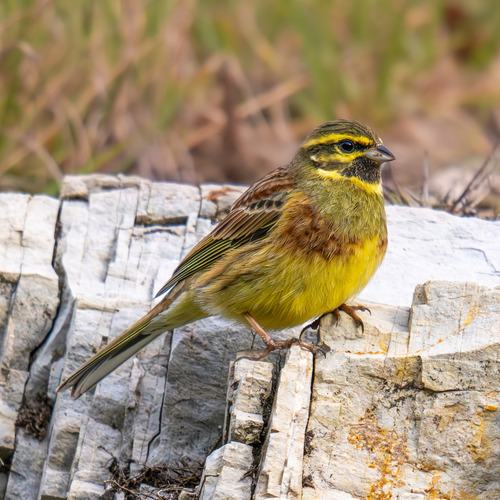
ノドグロアオジ (Emberiza cirlus) ノドグロアオジ
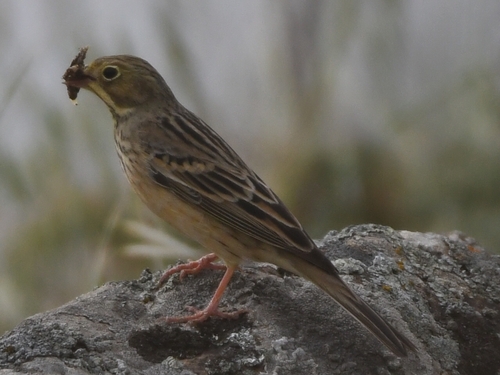
ズアオホオジロ (Emberiza hortulana) ズアオホオジロ

メディア

読み込み中…

要点

ノドグロアオジとズアオホオジロを区別する最も信頼できるフィールドマークはオスの頭の模様です:ノドグロアオジのオスは鮮やかな黄色の頭に太い黒い冠、アイストライプ、喉を持ち、ズアオホオジロのオスは強い黒いマーキングがない鈍い緑灰色の頭をしています。メスと幼鳥はより難しいですが、ノドグロアオジは下部により多くの黄色を示し、縞模様の灰褐色の尾羽を持つ傾向がありますが、Ortolanは一般的により地味で黄色が少ないです。両種はサイズと全体的な構造が似ていますが、Ortolanはわずかに大きいです。飛行中または遠くからは、頭の模様と下部の色に注目してください。ただし、両種のメスと幼鳥は混同しやすいことに注意してください。

識別のコツ

  1. Male head pattern: 春と夏には、ノドグロアオジのオスの鮮やかな黄色の頭に太い黒い冠、アイストライプ、喉を探してください。ズアオホオジロのオスは黒いマーキングのない緑灰色の頭を持っています。
  2. Female/immature confusion: メスと幼鳥は非常に似ています。ノドグロアオジのメスは縞模様の灰褐色の尾羽と下部にいくつかの黄色を示しますが、Ortolanのメスはより地味で、緑灰色の頭と全体的に黄色が少ないです。
  3. Underpart color: ノドグロアオジ(両性)は通常、下部により多くの黄色を示し、特に腹部と胸部に、時には緑がかった胸のバンドがあります。ズアオホオジロは下部が黄色が少なく、よりバフまたは灰色がかっています。
  4. Rump and shoulder: メスのノドグロアオジは縞模様の灰褐色の尾羽と栗色の肩を持ち、これは微妙ですが役立つマークです。ズアオホオジロは栗色の肩がなく、より地味な尾羽を持っています。
  5. Bill structure: 両種は厚く円錐形のビルを持っていますが、ノドグロアオジのものはわずかに短く見えることがあります。これは微妙で、常に信頼できるわけではありません。
  6. Size: ズアオホオジロはわずかに大きいですが、その違いは小さく、直接比較しない限り強いフィールドマークではありません。
  7. Song: ノドグロアオジの歌はガラガラとしたトリルで、Ortolanの歌はキアオジに似ていますが、特徴的な終わりがありません。両方に慣れていない限り注意して使用してください。
  8. Habitat and range: 南ヨーロッパと地中海では、ノドグロアオジは特に生け垣や荒れた草地のある農地でより可能性があります。ズアオホオジロは渡り鳥で、開けた野原や通過する移動者としてより可能性があります。
  9. Seasonal context: ノドグロアオジは定住しており、ズアオホオジロは繁殖期または移動中のみ存在します。シーズン外では、南ヨーロッパのバンティングはCirlである可能性が高いです。
  10. Flight views: メモには、どちらの種にも特有の上翼または尾の模様は記載されていないため、飛行中でも頭と下部の色に頼ってください。
  11. Pitfalls: メスと幼鳥のノドグロアオジは、特に鈍い光や遠くから見るとズアオホオジロに非常に似て見えることに注意してください。黄色のトーンと尾羽/肩の模様に注目してください。
  12. Local abundance: 英国では、ノドグロアオジは南西部に制限されており、地元の定住者ですが、Ortolanは秋に主に見られる珍しい渡り鳥です。
  13. Perched vs. ground: 両種はしばしば地面で餌を探し、低い植物に止まります。行動は信頼できる区別にはなりません。
  14. Jizz: 両種は典型的なバンティングの構造と姿勢を持っており、全体的な形や飛行スタイルに頼って区別しないでください。
  15. No upperwing pattern: 他のバンティングとは異なり、どちらの種にも診断的な幼鳥または未熟な翼の模様は記載されていないため、この特徴を使用しないでください。

大きさ

ノドグロアオジはわずかに小さく、平均して約15.5 cmの長さで、翼幅は22–25.5 cmです。ズアオホオジロはわずかに大きく、長さは16–17 cm、翼幅は23–29 cmです。このサイズの違いは微妙で、両種が並んで見られない限り、フィールドでは診断的ではありません。両方とも典型的なバンティングのジズを持ち、頑丈なビルと中程度の長さの尾を持っています。

羽色

成鳥のオスの場合、ノドグロアオジは黒い冠、アイストライプ、喉を持つ鮮やかな黄色の頭と、緑がかった胸のバンド、黄色の下部を示します。ズアオホオジロのオスは黒い頭のマーキングがなく、代わりに緑灰色の頭と下部があまり鮮やかでないです。両種のメスと幼鳥はより控えめです:ノドグロアオジのメスは縞模様の灰褐色の尾羽と栗色の肩を持ち、下部にいくつかの黄色がありますが、Ortolanのメスはより地味で、緑灰色の頭と全体的に黄色が少ないです。提供されたメモには、どちらの種にも特有の幼鳥または未熟な上翼の模様は記載されていないため、すべての年齢に対して頭と下部の色に注目してください。

行動

両種は行動において典型的なバンティングであり、しばしば地面で餌を探したり、低い植物に止まったりしているのが見られます。ノドグロアオジはその範囲内で定住しており、移動しませんが、ズアオホオジロは渡り鳥であり、これは地域の文脈に影響を与える可能性があります。メモには、どちらの種の飛行スタイルが特有であるとは記載されていません。

生息環境

ノドグロアオジは南ヨーロッパ、地中海の島々、北アフリカで繁殖し、生け垣、荒れた草地、畑の縁がある農地を好みます。これは定住しており、移動しません。ズアオホオジロはヨーロッパ全体および西アジアに広く分布し、トウモロコシ畑や開けた田舎を好み、渡り鳥であり、一部の地域では迷鳥として現れます。英国や類似の地域では、ノドグロアオジは南西部でより可能性が高く、Ortolanは珍しい渡り鳥です。

声

ノドグロアオジの歌は単調なガラガラとしたトリルで、北極ウグイスやウグイスの終端のガラガラに似ています。ズアオホオジロの歌はキアオジに似ていますが、特徴的な「少しのパンとチーズなし」の終わりがありません。どちらの歌も経験がないと診断的である可能性は低いですが、Cirlの歌はよりガラガラしていて音楽的ではありません。

より良い説明を送る

比較と同じ項目を使ってください。文章はすぐに公開されます。

The most reliable field mark to separate Cirl Bunting from Ortolan Bunting is the male's head pattern: Cirl Bunting males show a bright yellow head with bold black crown, eyestripe, and throat, while Ortolan Bunting males have a duller, greenish-grey head lacking strong black markings. Females and immatures are trickier, but Cirl Bunting tends to show more yellow on the underparts and a streaked grey-brown rump, while Ortolan is generally plainer and less yellow. Both species are similar in size and overall structure, but Ortolan is slightly larger. In flight or at a distance, focus on head pattern and underpart color, but beware that females and young birds of both species can be confusingly similar.

  1. Male head pattern: In spring and summer, look for the Cirl Bunting male's bright yellow head with bold black crown, eyestripe, and throat. Ortolan Bunting males have a greenish-grey head with no black markings.
  2. Female/immature confusion: Females and young birds are much more similar. Cirl Bunting females show a streaked grey-brown rump and some yellow on the underparts, while Ortolan females are plainer, with a greenish-grey head and less yellow overall.
  3. Underpart color: Cirl Bunting (both sexes) usually shows more yellow on the underparts, especially on the belly and breast, sometimes with a greenish breast band. Ortolan Bunting is less yellow and more buff or greyish below.
  4. Rump and shoulder: Female Cirl Bunting has a streaked grey-brown rump and chestnut shoulders, which can be a subtle but helpful mark. Ortolan Bunting lacks the chestnut shoulder and has a plainer rump.
  5. Bill structure: Both species have a thick, conical bunting bill, but Cirl Bunting's may appear slightly stubbier. This is subtle and not always reliable.
  6. Size: Ortolan Bunting is slightly larger, but the difference is minor and not a strong field mark unless directly compared.
  7. Song: Cirl Bunting's song is a rattling trill, while Ortolan's is more like a Yellowhammer but without the distinctive ending. Use with caution unless familiar with both.
  8. Habitat and range: In southern Europe and the Mediterranean, Cirl Bunting is more likely, especially in farmland with hedges and rough grass. Ortolan Bunting is migratory and more likely in open fields or as a passage migrant.
  9. Seasonal context: Cirl Bunting is resident; Ortolan Bunting is present only in the breeding season or on migration. Out of season, a bunting in southern Europe is more likely Cirl.
  10. Flight views: No distinctive upperwing or tail pattern is described for either species in the notes, so rely on head and underpart color even in flight.
  11. Pitfalls: Beware that female and immature Cirl Buntings can look very similar to Ortolan Buntings, especially in dull light or at a distance. Focus on any yellow tones and rump/shoulder pattern.
  12. Local abundance: In the UK, Cirl Bunting is restricted to the southwest and is a local resident, while Ortolan is a rare migrant, mostly in autumn.
  13. Perched vs. ground: Both species often feed on the ground and perch on low vegetation; behavior is not a reliable separator.
  14. Jizz: Both species have typical bunting structure and posture; do not rely on overall shape or flight style for separation.
  15. No upperwing pattern: Unlike some other buntings, neither species is described with a diagnostic juvenile or immature wing pattern in the provided notes, so do not use this feature.

Cirl Bunting is slightly smaller, averaging about 15.5 cm in length with a wingspan of 22–25.5 cm. Ortolan Bunting is marginally larger, at 16–17 cm in length and a wingspan of 23–29 cm. This size difference is subtle and rarely diagnostic in the field unless both species are seen side by side. Both have a typical bunting jizz with a robust bill and medium-length tail.

For adult males, Cirl Bunting shows a striking yellow head with black crown, eyestripe, and throat, plus a greenish breast band and yellow underparts. Ortolan Bunting males lack the black head markings and instead have a greenish-grey head and less vivid yellow below. Females and immatures of both species are more subdued: Cirl Bunting females have a streaked grey-brown rump and chestnut shoulders, with some yellow on the underparts, while Ortolan females are plainer, with a greenish-grey head and less yellow overall. No distinctive juvenile or immature upperwing pattern is described for either species in the provided notes, so focus on head and underpart coloration for all ages.

Both species are typical buntings in behavior, often seen foraging on the ground or perched on low vegetation. Cirl Bunting is a resident in its range and does not migrate, while Ortolan Bunting is migratory, which may influence local context. Flight style is not described as distinctive for either species in the notes.

Cirl Bunting breeds in southern Europe, Mediterranean islands, and North Africa, favoring farmland with hedgerows, rough grassland, and field margins. It is a resident and does not migrate. Ortolan Bunting is more widespread across Europe and into West Asia, frequenting cornfields and open countryside, and is migratory, appearing as a vagrant in some areas. In the UK and similar regions, Cirl Bunting is more likely in the southwest, while Ortolan is a rare migrant.

Cirl Bunting's song is a monotonous rattling trill, reminiscent of Arctic Warbler or the terminal rattle of Lesser Whitethroat. Ortolan Bunting's song is similar to Yellowhammer but lacks the distinctive 'little bit of bread and no cheese' ending. Neither song is likely to be diagnostic without experience, but Cirl's is more rattling and less musical.

変更を破棄しますか?

保存していない編集があります。今離れると失われます。

ノドグロアオジ · ズアオホオジロ · 苦手な鳥