

Motmot

Black-headed Bunting vs Cirl Bunting

Emberiza melanocephala versus Emberiza cirlus

Play a quiz with Black-headed Bunting and Cirl Bunting
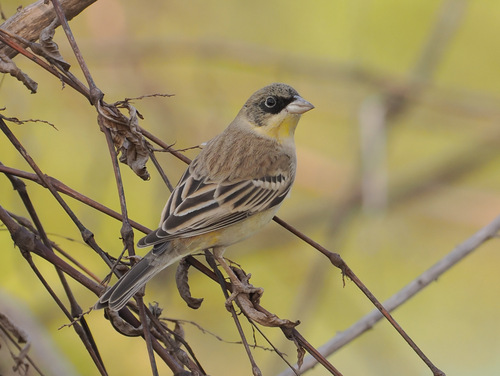
Black-headed Bunting (Emberiza melanocephala) Black-headed Bunting
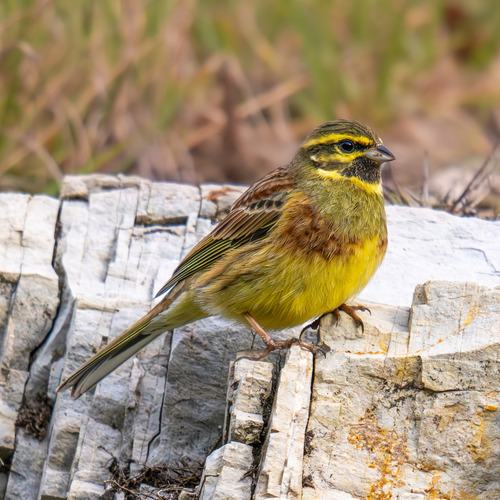
Cirl Bunting (Emberiza cirlus) Cirl Bunting

Media

Loading…

In short

The most reliable separation between Black-headed Bunting and Cirl Bunting is the adult male's head pattern: Black-headed Bunting males have a solid black hood, while Cirl Bunting males show a yellow face with black crown, eyestripe, and throat. Females and immatures are trickier, but Black-headed Bunting is generally brighter yellow below and lacks the Cirl Bunting's greenish breast band and streaked brown back. Juvenile and first-year birds can be confusing, but Cirl Bunting never shows the combination of yellow vent and darker cheeks seen in Black-headed Bunting. Structure is similar, but Cirl Bunting is slightly smaller and more compact. Habitat and behavior overlap in open country, but Cirl Bunting is resident in the Mediterranean and Black-headed Bunting is a long-distance migrant.

Identification tips

  1. Adult male head pattern: Black-headed Bunting males have a solid black hood; Cirl Bunting males have a yellow face with black crown, eyestripe, and throat, never a full black hood. This is the single most reliable field mark in spring and summer.
  2. Breast and underparts: Black-headed Bunting males are bright yellow below with no breast band; Cirl Bunting males have a greenish breast band across otherwise yellow underparts. Females and immatures: Black-headed Bunting is generally brighter yellow, especially on the vent, while Cirl Bunting is duller and more olive or brownish.
  3. Back and upperparts: Black-headed Bunting males have a rich chestnut back; Cirl Bunting males have a heavily streaked brown back. Females: Black-headed Bunting is plainer, Cirl Bunting shows a streaked grey-brown rump and chestnut shoulders.
  4. Juvenile/first-year vent and cheeks: Black-headed Bunting juveniles and first-year females have a yellow vent and cheeks darker than the throat; Cirl Bunting juveniles lack the yellow vent and have a more uniform, streaked appearance.
  5. First-year male crown: First-year Black-headed Bunting males may show a grey crown with chestnut and grey back patches; Cirl Bunting males never show this.
  6. Bill structure: Both have thick, seed-eater's bills, but Cirl Bunting may appear slightly shorter-billed and more compact overall.
  7. Tail and jizz: Black-headed Bunting is slightly longer-tailed and bulkier; Cirl Bunting is more compact and 'bunting-like.' In flight, differences are subtle and not always reliable.
  8. Song: Black-headed Bunting's song is loud, varied, and abruptly ends; Cirl Bunting's is a monotonous rattling trill. Calls are less useful but Black-headed Bunting's is a soft 'zrit.'
  9. Habitat and range: In southern Europe, both may occur, but Cirl Bunting is resident and prefers mixed farmland and hedgerows, while Black-headed Bunting is a migrant of open grasslands and field edges. In winter, only Black-headed Bunting is found in India and southeast Asia.
  10. Flock size and behavior: Black-headed Bunting often forms larger flocks, especially on migration; Cirl Bunting is more often seen in pairs or small groups.
  11. Female confusion: Female and immature Black-headed Bunting can be confused with Cirl Bunting, but look for the yellow vent and darker cheeks (Black-headed) versus more streaked, brownish, and olive tones (Cirl).
  12. Hybrid zone caution: In northern Iran, hybrids between Black-headed and Red-headed Bunting occur, but not with Cirl Bunting; confusion with Cirl is less likely in this region.
  13. Seasonal context: If seen in winter in India or southeast Asia, it is Black-headed Bunting. In Mediterranean farmland in winter, it is likely Cirl Bunting.
  14. Comparison to Yellowhammer: Cirl Bunting females resemble Yellowhammer more than Black-headed Bunting; Black-headed Bunting females are paler and less streaked.
  15. When in doubt: Focus on head pattern in males, vent color and cheek/throat contrast in juveniles and females, and overall brightness below. Structure and song can help but are less reliable than plumage details.

Size

Black-headed Bunting is slightly heavier (28 g [wikidata]) and about 15 cm long, while Cirl Bunting is marginally longer (15.5 cm [wikipedia]) but more slender overall. Both are similar in size to other medium buntings, but Black-headed Bunting may appear a bit bulkier and longer-tailed. In the field, size alone is not a strong separator, but Cirl Bunting can seem more compact and less rangy than Black-headed Bunting.

Plumage

Juvenile and first-year birds: Black-headed Bunting juveniles and first-year females are best told by their yellow vent and generally brighter underparts; they also tend to have darker cheeks than throat, a subtle but useful mark. Cirl Bunting juveniles are duller, with a streaked grey-brown rump and chestnut shoulders, and lack the yellow vent. First-year Black-headed Bunting males may show a mix of grey crown and chestnut/grey back patches, while Cirl Bunting males never show this pattern.

Adult males: Black-headed Bunting males are unmistakable with a solid black hood, bright yellow underparts, and chestnut back. Cirl Bunting males have a yellow face with black crown, eyestripe, and throat, a greenish breast band, and a heavily streaked brown back—never a full black hood.

Adult females: Both species are drabber, but Black-headed Bunting females are generally paler below, with a greyer head and less streaking on the back compared to Cirl Bunting, which shows a streaked grey-brown rump and chestnut shoulders. Cirl Bunting females also resemble Yellowhammer but have a more olive or greenish tinge and a less contrasting head pattern than Black-headed Bunting females.

Behaviour

Both species forage on the ground in open country, often in flocks outside the breeding season. Black-headed Bunting is more likely to be seen in larger, more conspicuous flocks, especially during migration. Cirl Bunting is more resident and territorial, often seen in pairs or small groups. Black-headed Bunting may appear more restless and mobile, especially in migration, while Cirl Bunting is more likely to stay in a limited area year-round.

Habitat

Black-headed Bunting breeds in open grasslands, field edges, and scrub from southeast Europe to Iran, migrating to India and southeast Asia for winter. Cirl Bunting is a resident of southern Europe, Mediterranean islands, and north Africa, favoring mixed farmland, hedgerows, and rough grassland. Overlap is possible in southern Europe, but Cirl Bunting is absent from the Black-headed Bunting's eastern breeding and wintering ranges. In winter, only Black-headed Bunting is found in India and further east.

Voice

Black-headed Bunting's song is a loud, varied series of harsh notes and slurred phrases, often accelerating and ending abruptly. Its call is a single 'tweet' or soft 'zrit.' Cirl Bunting's song is a monotonous rattling trill, reminiscent of Arctic Warbler or the end of Lesser Whitethroat's song. The difference is subtle but can be useful: Black-headed Bunting is more varied and abrupt, Cirl Bunting more even and trilled.

Submit a better description

Use the same sections as the comparison. Your text is published immediately.

The most reliable separation between Black-headed Bunting and Cirl Bunting is the adult male's head pattern: Black-headed Bunting males have a solid black hood, while Cirl Bunting males show a yellow face with black crown, eyestripe, and throat. Females and immatures are trickier, but Black-headed Bunting is generally brighter yellow below and lacks the Cirl Bunting's greenish breast band and streaked brown back. Juvenile and first-year birds can be confusing, but Cirl Bunting never shows the combination of yellow vent and darker cheeks seen in Black-headed Bunting. Structure is similar, but Cirl Bunting is slightly smaller and more compact. Habitat and behavior overlap in open country, but Cirl Bunting is resident in the Mediterranean and Black-headed Bunting is a long-distance migrant.

  1. Adult male head pattern: Black-headed Bunting males have a solid black hood; Cirl Bunting males have a yellow face with black crown, eyestripe, and throat, never a full black hood. This is the single most reliable field mark in spring and summer.
  2. Breast and underparts: Black-headed Bunting males are bright yellow below with no breast band; Cirl Bunting males have a greenish breast band across otherwise yellow underparts. Females and immatures: Black-headed Bunting is generally brighter yellow, especially on the vent, while Cirl Bunting is duller and more olive or brownish.
  3. Back and upperparts: Black-headed Bunting males have a rich chestnut back; Cirl Bunting males have a heavily streaked brown back. Females: Black-headed Bunting is plainer, Cirl Bunting shows a streaked grey-brown rump and chestnut shoulders.
  4. Juvenile/first-year vent and cheeks: Black-headed Bunting juveniles and first-year females have a yellow vent and cheeks darker than the throat; Cirl Bunting juveniles lack the yellow vent and have a more uniform, streaked appearance.
  5. First-year male crown: First-year Black-headed Bunting males may show a grey crown with chestnut and grey back patches; Cirl Bunting males never show this.
  6. Bill structure: Both have thick, seed-eater's bills, but Cirl Bunting may appear slightly shorter-billed and more compact overall.
  7. Tail and jizz: Black-headed Bunting is slightly longer-tailed and bulkier; Cirl Bunting is more compact and 'bunting-like.' In flight, differences are subtle and not always reliable.
  8. Song: Black-headed Bunting's song is loud, varied, and abruptly ends; Cirl Bunting's is a monotonous rattling trill. Calls are less useful but Black-headed Bunting's is a soft 'zrit.'
  9. Habitat and range: In southern Europe, both may occur, but Cirl Bunting is resident and prefers mixed farmland and hedgerows, while Black-headed Bunting is a migrant of open grasslands and field edges. In winter, only Black-headed Bunting is found in India and southeast Asia.
  10. Flock size and behavior: Black-headed Bunting often forms larger flocks, especially on migration; Cirl Bunting is more often seen in pairs or small groups.
  11. Female confusion: Female and immature Black-headed Bunting can be confused with Cirl Bunting, but look for the yellow vent and darker cheeks (Black-headed) versus more streaked, brownish, and olive tones (Cirl).
  12. Hybrid zone caution: In northern Iran, hybrids between Black-headed and Red-headed Bunting occur, but not with Cirl Bunting; confusion with Cirl is less likely in this region.
  13. Seasonal context: If seen in winter in India or southeast Asia, it is Black-headed Bunting. In Mediterranean farmland in winter, it is likely Cirl Bunting.
  14. Comparison to Yellowhammer: Cirl Bunting females resemble Yellowhammer more than Black-headed Bunting; Black-headed Bunting females are paler and less streaked.
  15. When in doubt: Focus on head pattern in males, vent color and cheek/throat contrast in juveniles and females, and overall brightness below. Structure and song can help but are less reliable than plumage details.

Black-headed Bunting is slightly heavier (28 g [wikidata]) and about 15 cm long, while Cirl Bunting is marginally longer (15.5 cm [wikipedia]) but more slender overall. Both are similar in size to other medium buntings, but Black-headed Bunting may appear a bit bulkier and longer-tailed. In the field, size alone is not a strong separator, but Cirl Bunting can seem more compact and less rangy than Black-headed Bunting.

Juvenile and first-year birds: Black-headed Bunting juveniles and first-year females are best told by their yellow vent and generally brighter underparts; they also tend to have darker cheeks than throat, a subtle but useful mark. Cirl Bunting juveniles are duller, with a streaked grey-brown rump and chestnut shoulders, and lack the yellow vent. First-year Black-headed Bunting males may show a mix of grey crown and chestnut/grey back patches, while Cirl Bunting males never show this pattern.

Adult males: Black-headed Bunting males are unmistakable with a solid black hood, bright yellow underparts, and chestnut back. Cirl Bunting males have a yellow face with black crown, eyestripe, and throat, a greenish breast band, and a heavily streaked brown back—never a full black hood.

Adult females: Both species are drabber, but Black-headed Bunting females are generally paler below, with a greyer head and less streaking on the back compared to Cirl Bunting, which shows a streaked grey-brown rump and chestnut shoulders. Cirl Bunting females also resemble Yellowhammer but have a more olive or greenish tinge and a less contrasting head pattern than Black-headed Bunting females.

Both species forage on the ground in open country, often in flocks outside the breeding season. Black-headed Bunting is more likely to be seen in larger, more conspicuous flocks, especially during migration. Cirl Bunting is more resident and territorial, often seen in pairs or small groups. Black-headed Bunting may appear more restless and mobile, especially in migration, while Cirl Bunting is more likely to stay in a limited area year-round.

Black-headed Bunting breeds in open grasslands, field edges, and scrub from southeast Europe to Iran, migrating to India and southeast Asia for winter. Cirl Bunting is a resident of southern Europe, Mediterranean islands, and north Africa, favoring mixed farmland, hedgerows, and rough grassland. Overlap is possible in southern Europe, but Cirl Bunting is absent from the Black-headed Bunting's eastern breeding and wintering ranges. In winter, only Black-headed Bunting is found in India and further east.

Black-headed Bunting's song is a loud, varied series of harsh notes and slurred phrases, often accelerating and ending abruptly. Its call is a single 'tweet' or soft 'zrit.' Cirl Bunting's song is a monotonous rattling trill, reminiscent of Arctic Warbler or the end of Lesser Whitethroat's song. The difference is subtle but can be useful: Black-headed Bunting is more varied and abrupt, Cirl Bunting more even and trilled.

Discard your changes?

You have unsaved edits. If you leave now, those changes will be lost.

Black-headed Bunting · Cirl Bunting · My Tricky Birds