

Motmot

ズグロチャキンチョウ 対 ノドグロアオジ

Emberiza melanocephala 対 Emberiza cirlus

ズグロチャキンチョウとノドグロアオジのクイズ
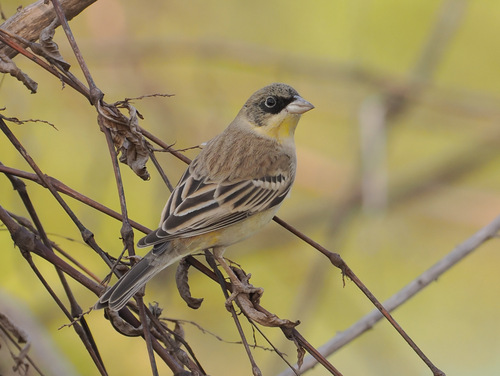
ズグロチャキンチョウ (Emberiza melanocephala) ズグロチャキンチョウ
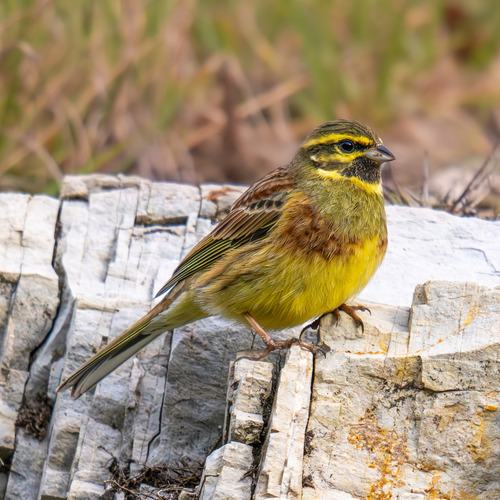
ノドグロアオジ (Emberiza cirlus) ノドグロアオジ

メディア

読み込み中…

要点

ズグロチャキンチョウとノドグロアオジの最も信頼できる区別は、成鳥オスの頭の模様です:ズグロチャキンチョウのオスは黒いフードを持ち、ノドグロアオジのオスは黒い冠、目の筋、喉を持つ黄色い顔を示します。雌と幼鳥はより難しいですが、ズグロチャキンチョウは一般的に下側が明るい黄色で、ノドグロアオジの緑がかった胸の帯と縞模様のある茶色の背中が欠けています。幼鳥と1年目の鳥は混乱を招くことがありますが、ノドグロアオジはズグロチャキンチョウに見られる黄色い腹部と暗い頬の組み合わせを示すことはありません。構造は似ていますが、ノドグロアオジはやや小さく、よりコンパクトです。生息地と行動は開けた国で重なりますが、ノドグロアオジは地中海に生息し、ズグロチャキンチョウは長距離の渡り鳥です。

識別のコツ

  1. 成鳥オスの頭の模様:ズグロチャキンチョウのオスは黒いフードを持ち、ノドグロアオジのオスは黄色い顔に黒い冠、目の筋、喉を持ち、決して完全な黒いフードを持ちません。これは春と夏の最も信頼できるフィールドマークです。
  2. 胸と下側:ズグロチャキンチョウのオスは下側が明るい黄色で胸の帯がありません;ノドグロアオジのオスは、他の黄色い下側に緑がかった胸の帯を持っています。雌と幼鳥:ズグロチャキンチョウは一般的に明るい黄色で、特に腹部で、ノドグロアオジは鈍く、オリーブ色または茶色がかっています。
  3. 背中と上側:ズグロチャキンチョウのオスはリッチな栗色の背中を持ち、ノドグロアオジのオスは重く縞模様のある茶色の背中を持っています。雌:ズグロチャキンチョウは地味で、ノドグロアオジは縞模様の灰褐色の尾と栗色の肩を示します。
  4. 幼鳥/1年目の腹部と頬:ズグロチャキンチョウの幼鳥と1年目の雌は黄色い腹部と喉より暗い頬を持ち、ノドグロアオジの幼鳥は黄色い腹部がなく、より均一で縞模様のある外観を持っています。
  5. 1年目のオスの冠:1年目のズグロチャキンチョウのオスは栗色と灰色の背中の斑点を持つ灰色の冠を示すことがありますが、ノドグロアオジのオスはこれを示しません。
  6. くちばしの構造:両者は厚い種食者のくちばしを持っていますが、ノドグロアオジはやや短いくちばしに見え、全体的によりコンパクトに見えることがあります。
  7. 尾と印象:ズグロチャキンチョウはやや長い尾を持ち、より大きいです;ノドグロアオジはよりコンパクトで「バンティングのような」です。飛行中の違いは微妙で、常に信頼できるわけではありません。
  8. 歌:ズグロチャキンチョウの歌は大きく、多様で、急に終わります;ノドグロアオジの歌は単調な rattling trill です。呼び声はあまり役に立ちませんが、ズグロチャキンチョウの呼び声は柔らかい「zrit」です。
  9. 生息地と範囲:南ヨーロッパでは両者が見られることがありますが、ノドグロアオジは居住者で、混合農地と生け垣を好み、ズグロチャキンチョウは開けた草原と畑の端の渡り鳥です。冬には、ズグロチャキンチョウだけがインドと東南アジアに見られます。
  10. 群れのサイズと行動:ズグロチャキンチョウは特に渡りの際に大きな群れを形成することが多いですが、ノドグロアオジはより多くの場合、ペアまたは小さなグループで見られます。
  11. 雌の混乱:雌と幼鳥のズグロチャキンチョウはノドグロアオジと混同されることがありますが、黄色い腹部と暗い頬(ズグロ)とより縞模様のある茶色がかったオリーブ色のトーン(ノドグロアオジ)を探してください。
  12. ハイブリッドゾーンの注意:イラン北部では、ズグロチャキンチョウとチャキンチョウのハイブリッドが発生しますが、ノドグロアオジとは発生しません;この地域ではノドグロアオジとの混乱は少ないです。
  13. 季節的文脈:冬にインドまたは東南アジアで見られた場合、それはズグロチャキンチョウです。冬の地中海の農地では、ノドグロアオジである可能性が高いです。
  14. キアオジとの比較:ノドグロアオジの雌はズグロチャキンチョウよりもキアオジに似ています;ズグロチャキンチョウの雌はより淡く、縞模様が少ないです。
  15. 疑問がある場合:オスの頭の模様、幼鳥と雌の腹部の色と頬/喉のコントラスト、全体的な明るさに焦点を当ててください。構造と歌も役立ちますが、羽毛の詳細ほど信頼できません。

大きさ

ズグロチャキンチョウはやや重く(28 g [wikidata])、約15 cmの長さですが、ノドグロアオジはわずかに長く(15.5 cm [wikipedia])、全体的により細身です。両者は他の中型バンティングとサイズが似ていますが、ズグロチャキンチョウはやや大きく、長い尾に見えることがあります。フィールドでは、サイズだけでは強い区別にはなりませんが、ノドグロアオジはズグロチャキンチョウよりもコンパクトで、より細身に見えることがあります。

羽色

幼鳥と1年目の鳥:ズグロチャキンチョウの幼鳥と1年目の雌は、黄色い腹部と一般的に明るい下側によって最もよく識別されます;また、喉よりも暗い頬を持つ傾向があり、微妙ですが役立つマークです。ノドグロアオジの幼鳥は鈍く、縞模様の灰褐色の尾と栗色の肩を持ち、黄色い腹部がありません。1年目のズグロチャキンチョウのオスは灰色の冠と栗色/灰色の背中の斑点の混合を示すことがありますが、ノドグロアオジのオスはこのパターンを示しません。

成鳥のオス:ズグロチャキンチョウのオスは、黒いフード、明るい黄色の下側、栗色の背中を持ち、間違いなく識別できます。ノドグロアオジのオスは、黒い冠、目の筋、喉を持つ黄色い顔、緑がかった胸の帯、重く縞模様のある茶色の背中を持ち、決して完全な黒いフードを持ちません。

成鳥の雌:両種は地味ですが、ズグロチャキンチョウの雌は一般的に下側が淡く、頭が灰色で、ノドグロアオジと比較して背中の縞模様が少ないです。ノドグロアオジは縞模様の灰褐色の尾と栗色の肩を示します。ノドグロアオジの雌はキアオジにも似ていますが、よりオリーブ色または緑がかった色合いを持ち、ズグロチャキンチョウの雌よりも頭の模様のコントラストが少ないです。

行動

両種は開けた国で地面をついばんで餌を探し、繁殖期以外はしばしば群れで見られます。ズグロチャキンチョウは、特に渡りの際に、より大きく目立つ群れで見られる可能性が高いです。ノドグロアオジはより居住的で領土意識が強く、しばしばペアまたは小さなグループで見られます。ズグロチャキンチョウは、特に渡りの際により落ち着きがなく移動的に見えることがありますが、ノドグロアオジは年間を通じて限られた地域に留まる可能性が高いです。

生息環境

ズグロチャキンチョウは、南東ヨーロッパからイランまでの開けた草原、畑の端、低木で繁殖し、冬にはインドと東南アジアに渡ります。ノドグロアオジは南ヨーロッパ、地中海の島々、北アフリカに生息し、混合農地、生け垣、荒れた草地を好みます。南ヨーロッパでは重なりが可能ですが、ノドグロアオジはズグロチャキンチョウの東部の繁殖地と越冬地には存在しません。冬には、ズグロチャキンチョウだけがインドとさらに東に見られます。

声

ズグロチャキンチョウの歌は、大きく多様な一連の厳しい音とスラングのフレーズで、しばしば加速し急に終わります。呼び声は単一の「ツイート」または柔らかい「zrit」です。ノドグロアオジの歌は単調な rattling trill で、北極のウグイスや小さなセッカの歌の終わりを思わせます。違いは微妙ですが、役立つことがあります:ズグロチャキンチョウはより多様で急激で、ノドグロアオジはより均一でトリルのようです。

より良い説明を送る

比較と同じ項目を使ってください。文章はすぐに公開されます。

The most reliable separation between Black-headed Bunting and Cirl Bunting is the adult male's head pattern: Black-headed Bunting males have a solid black hood, while Cirl Bunting males show a yellow face with black crown, eyestripe, and throat. Females and immatures are trickier, but Black-headed Bunting is generally brighter yellow below and lacks the Cirl Bunting's greenish breast band and streaked brown back. Juvenile and first-year birds can be confusing, but Cirl Bunting never shows the combination of yellow vent and darker cheeks seen in Black-headed Bunting. Structure is similar, but Cirl Bunting is slightly smaller and more compact. Habitat and behavior overlap in open country, but Cirl Bunting is resident in the Mediterranean and Black-headed Bunting is a long-distance migrant.

  1. Adult male head pattern: Black-headed Bunting males have a solid black hood; Cirl Bunting males have a yellow face with black crown, eyestripe, and throat, never a full black hood. This is the single most reliable field mark in spring and summer.
  2. Breast and underparts: Black-headed Bunting males are bright yellow below with no breast band; Cirl Bunting males have a greenish breast band across otherwise yellow underparts. Females and immatures: Black-headed Bunting is generally brighter yellow, especially on the vent, while Cirl Bunting is duller and more olive or brownish.
  3. Back and upperparts: Black-headed Bunting males have a rich chestnut back; Cirl Bunting males have a heavily streaked brown back. Females: Black-headed Bunting is plainer, Cirl Bunting shows a streaked grey-brown rump and chestnut shoulders.
  4. Juvenile/first-year vent and cheeks: Black-headed Bunting juveniles and first-year females have a yellow vent and cheeks darker than the throat; Cirl Bunting juveniles lack the yellow vent and have a more uniform, streaked appearance.
  5. First-year male crown: First-year Black-headed Bunting males may show a grey crown with chestnut and grey back patches; Cirl Bunting males never show this.
  6. Bill structure: Both have thick, seed-eater's bills, but Cirl Bunting may appear slightly shorter-billed and more compact overall.
  7. Tail and jizz: Black-headed Bunting is slightly longer-tailed and bulkier; Cirl Bunting is more compact and 'bunting-like.' In flight, differences are subtle and not always reliable.
  8. Song: Black-headed Bunting's song is loud, varied, and abruptly ends; Cirl Bunting's is a monotonous rattling trill. Calls are less useful but Black-headed Bunting's is a soft 'zrit.'
  9. Habitat and range: In southern Europe, both may occur, but Cirl Bunting is resident and prefers mixed farmland and hedgerows, while Black-headed Bunting is a migrant of open grasslands and field edges. In winter, only Black-headed Bunting is found in India and southeast Asia.
  10. Flock size and behavior: Black-headed Bunting often forms larger flocks, especially on migration; Cirl Bunting is more often seen in pairs or small groups.
  11. Female confusion: Female and immature Black-headed Bunting can be confused with Cirl Bunting, but look for the yellow vent and darker cheeks (Black-headed) versus more streaked, brownish, and olive tones (Cirl).
  12. Hybrid zone caution: In northern Iran, hybrids between Black-headed and Red-headed Bunting occur, but not with Cirl Bunting; confusion with Cirl is less likely in this region.
  13. Seasonal context: If seen in winter in India or southeast Asia, it is Black-headed Bunting. In Mediterranean farmland in winter, it is likely Cirl Bunting.
  14. Comparison to Yellowhammer: Cirl Bunting females resemble Yellowhammer more than Black-headed Bunting; Black-headed Bunting females are paler and less streaked.
  15. When in doubt: Focus on head pattern in males, vent color and cheek/throat contrast in juveniles and females, and overall brightness below. Structure and song can help but are less reliable than plumage details.

Black-headed Bunting is slightly heavier (28 g [wikidata]) and about 15 cm long, while Cirl Bunting is marginally longer (15.5 cm [wikipedia]) but more slender overall. Both are similar in size to other medium buntings, but Black-headed Bunting may appear a bit bulkier and longer-tailed. In the field, size alone is not a strong separator, but Cirl Bunting can seem more compact and less rangy than Black-headed Bunting.

Juvenile and first-year birds: Black-headed Bunting juveniles and first-year females are best told by their yellow vent and generally brighter underparts; they also tend to have darker cheeks than throat, a subtle but useful mark. Cirl Bunting juveniles are duller, with a streaked grey-brown rump and chestnut shoulders, and lack the yellow vent. First-year Black-headed Bunting males may show a mix of grey crown and chestnut/grey back patches, while Cirl Bunting males never show this pattern.

Adult males: Black-headed Bunting males are unmistakable with a solid black hood, bright yellow underparts, and chestnut back. Cirl Bunting males have a yellow face with black crown, eyestripe, and throat, a greenish breast band, and a heavily streaked brown back—never a full black hood.

Adult females: Both species are drabber, but Black-headed Bunting females are generally paler below, with a greyer head and less streaking on the back compared to Cirl Bunting, which shows a streaked grey-brown rump and chestnut shoulders. Cirl Bunting females also resemble Yellowhammer but have a more olive or greenish tinge and a less contrasting head pattern than Black-headed Bunting females.

Both species forage on the ground in open country, often in flocks outside the breeding season. Black-headed Bunting is more likely to be seen in larger, more conspicuous flocks, especially during migration. Cirl Bunting is more resident and territorial, often seen in pairs or small groups. Black-headed Bunting may appear more restless and mobile, especially in migration, while Cirl Bunting is more likely to stay in a limited area year-round.

Black-headed Bunting breeds in open grasslands, field edges, and scrub from southeast Europe to Iran, migrating to India and southeast Asia for winter. Cirl Bunting is a resident of southern Europe, Mediterranean islands, and north Africa, favoring mixed farmland, hedgerows, and rough grassland. Overlap is possible in southern Europe, but Cirl Bunting is absent from the Black-headed Bunting's eastern breeding and wintering ranges. In winter, only Black-headed Bunting is found in India and further east.

Black-headed Bunting's song is a loud, varied series of harsh notes and slurred phrases, often accelerating and ending abruptly. Its call is a single 'tweet' or soft 'zrit.' Cirl Bunting's song is a monotonous rattling trill, reminiscent of Arctic Warbler or the end of Lesser Whitethroat's song. The difference is subtle but can be useful: Black-headed Bunting is more varied and abrupt, Cirl Bunting more even and trilled.

変更を破棄しますか?

保存していない編集があります。今離れると失われます。

ズグロチャキンチョウ · ノドグロアオジ · 苦手な鳥