

Black-crowned Night Heron vs Pacific Reef-Heron
Nycticorax nycticorax versus Egretta sacra
Play a quiz with Black-crowned Night Heron and Pacific Reef-Heron
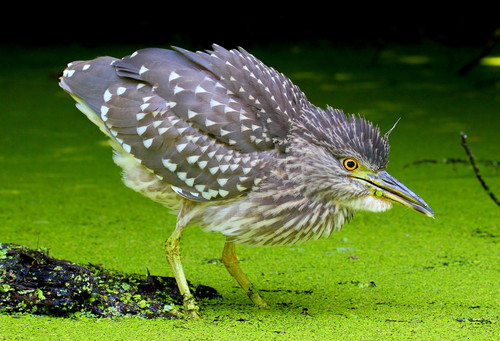 Black-crowned Night Heron
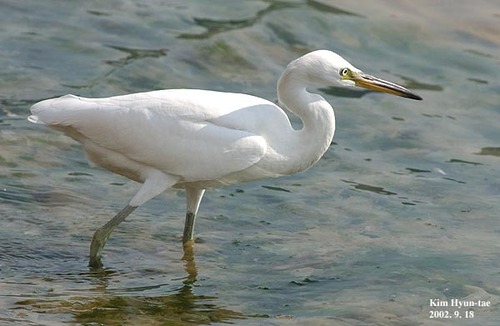 Pacific Reef-Heron
In short
The most reliable field mark between Black-crowned Night Heron and Pacific Reef-Heron is the night heron's distinctive black crown and back (adults), or the brown, heavily spotted upperparts (immatures), compared to the reef-heron's uniform slaty-grey or pure white plumage (with no black crown or heavy spotting at any age). Juvenile night herons are brown with pale teardrop spots, while even immature Pacific Reef-Herons are duller but never show strong spotting. Structure also helps: Black-crowned Night Heron is stockier, with a shorter neck and legs, and a thick bill, while Pacific Reef-Heron is longer-necked, slimmer, and more egret-like. Leg color, bill shape, and head plumes (night heron) are further clues. Both can be seen in coastal areas, but Pacific Reef-Heron is more strictly tied to rocky shores and reefs, while Black-crowned Night Heron prefers wetlands and is more crepuscular or nocturnal.
Identification tips
- Juvenile/immature plumage: Juvenile Black-crowned Night Herons are brown with bold pale teardrop-shaped spots above and streaked below; Pacific Reef-Heron immatures are plain and dull, never spotted or streaked. This is the most reliable mark for young birds.
- Adult crown and back: Adult Black-crowned Night Heron has a jet-black crown and back, contrasting with pale grey wings and white underparts. Pacific Reef-Heron (all ages) lacks a black crown or back.
- Color morphs: Pacific Reef-Heron comes in two morphs: entirely slaty-grey (with a narrow white throat stripe) or entirely white. Black-crowned Night Heron is never all-white or all-grey; even immatures are brown and spotted.
- Head plumes: Adult Black-crowned Night Herons in breeding season have long, slender white head plumes. Pacific Reef-Heron never shows head plumes.
- Bill shape: Night heron has a thick, relatively short bill; reef-heron has a longer, slender, egret-like bill. This is visible at moderate range.
- Leg color and length: Night heron legs are short and yellow (or salmon-pink in breeding), reef-heron legs are longer and yellow-grey. Leg length is especially obvious when both are standing.
- Eye color: Adult night herons have red eyes, immatures orange; reef-herons have gold-yellow eyes. This can be subtle at distance.
- Body shape: Night heron is stocky and hunched when perched, with a short neck and legs; reef-heron is slim, long-necked, and upright, more like an egret.
- Flight silhouette: Night heron in flight looks broad-winged, short-necked, and heavy; reef-heron is more slender, with longer neck and legs trailing behind.
- Habitat: Night heron prefers wetlands, marshes, and lakes, often roosting in trees or reedbeds; reef-heron is almost always on rocky coasts, reefs, and tidal flats.
- Activity period: Night heron is most active at dusk and night; reef-heron is active by day, especially at low tide.
- Vocalizations: Night heron is noisy in colonies, with harsh 'quok' calls; reef-heron is generally quiet.
- Breeding colors: In breeding, night heron legs turn salmon-pink and skin around the eyes blue; reef-heron does not show such changes.
- Plumage transitions: Second- and third-year night herons are intermediate, losing spots but still lacking full adult head plumes; reef-heron immatures simply become less brown, never show spots or plumes.
- Pitfalls: All-white reef-herons can be confused with egrets, but never show a black crown or back. Night heron immatures are sometimes mistaken for bitterns or other brown herons, but the bold spotting is unique.
Size
Black-crowned Night Heron is heavier (average adult mass 636 g [wikidata]) and appears bulkier and more compact, with a shorter neck and legs compared to the Pacific Reef-Heron, which is lighter (average adult mass around 400 g [wikipedia]) and longer in both neck and legs. Reef-Heron is slightly longer in body length (57–66 cm vs. the night heron's medium size), but the night heron's stocky build and thick bill make it look more robust. In flight, the night heron appears broad-winged and short-necked, while the reef-heron is more slender and egret-like.
Plumage
Juvenile and immature Black-crowned Night Herons are brownish with bold pale teardrop-shaped spots on the upperparts and streaked underparts, a pattern not seen in any age or morph of Pacific Reef-Heron. Immature reef-herons are simply duller and browner than adults but remain plain, lacking strong spots or streaks. Adult Black-crowned Night Herons have a striking black crown and back, pale grey wings, white underparts, and (in breeding) long white head plumes. Pacific Reef-Heron adults are either entirely dark slaty-grey (with a narrow white throat stripe) or entirely white; neither morph has a black crown or back, and both have yellow-grey legs and gold-yellow eyes. The night heron's eyes are red (adults) or orange (immatures), while reef-heron's are yellow. Night herons show short yellow (or salmon-pink in breeding) legs, while reef-herons have longer yellow-grey legs. Bill color is also useful: night heron bills are dark and thick, reef-heron bills are brown and slender.
Behaviour
Black-crowned Night Heron is often seen hunched and inactive during the day, becoming active at dusk and night, typically in wetlands or by water. It often perches in trees or reedbeds and can be quite noisy in colonies. Pacific Reef-Heron is more active by day, hunting along rocky shores, reefs, and tidal flats, often seen stalking prey in shallow water and sometimes using its wings to shade the water. Its feeding is more diurnal and tied to tidal cycles. In flight, night heron appears heavy and short-necked, while reef-heron is more graceful and egret-like.
Habitat
Black-crowned Night Heron prefers freshwater and brackish wetlands, lakes, rivers, and marshes, but can occur in coastal areas, especially at night. It is rarely found on exposed rocky shores. Pacific Reef-Heron is strongly associated with rocky coasts, reefs, and tidal flats, and is rarely found inland or away from the immediate shoreline. If seen on a rocky shore or coral reef, especially in daylight, Pacific Reef-Heron is much more likely.
Voice
Black-crowned Night Heron is very noisy in colonies, with harsh, barking calls transcribed as 'quok' or 'woc.' Pacific Reef-Heron is generally much quieter and less vocal. If a harsh, barking call is heard, especially at dusk or night, Black-crowned Night Heron is more likely.
Black-crowned Night Heron · Pacific Reef-Heron · My Tricky Birds