

Nitticora vs Pacific Reef-Heron
Nycticorax nycticorax contro Egretta sacra
Fai un quiz con Nitticora e Pacific Reef-Heron
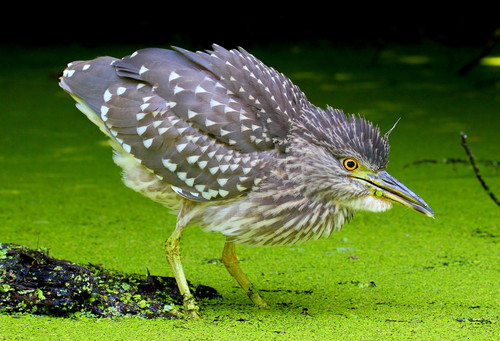 Nitticora
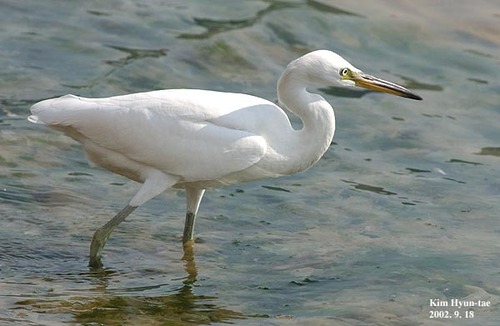 Pacific Reef-Heron
In breve
Il segno di campo più affidabile tra Nitticora e Pacific Reef-Heron è la caratteristica corona nera e il dorso della nitticora (adulti), o le parti superiori marroni e pesantemente macchiate (immaturi), rispetto al piumaggio uniforme grigio ardesia o bianco puro del reef-heron (senza corona nera o pesanti macchie a qualsiasi età). I giovani nitticori sono marroni con macchie a forma di lacrima chiare, mentre anche i Pacific Reef-Heron immaturi sono più opachi ma non mostrano mai forti macchie. Anche la struttura aiuta: Nitticora è più robusta, con un collo e gambe più corti, e un becco spesso, mentre Pacific Reef-Heron ha un collo più lungo, è più snella e più simile a un airone. Il colore delle gambe, la forma del becco e le piume della testa (nitticora) sono ulteriori indizi. Entrambi possono essere visti nelle aree costiere, ma Pacific Reef-Heron è più strettamente legato a coste rocciose e reef, mentre Nitticora preferisce le zone umide ed è più crepuscolare o notturna.
Consigli di identificazione
- Juvenile/immature plumage: I giovani Nitticora sono marroni con macchie a forma di lacrima chiare sopra e striature sotto; i Pacific Reef-Heron immaturi sono semplici e opachi, mai macchiati o striati. Questo è il segno più affidabile per i giovani uccelli.
- Adult crown and back: L'adulto Nitticora ha una corona e un dorso nero corvino, in contrasto con ali grigie chiare e parti inferiori bianche. Pacific Reef-Heron (tutte le età) non ha una corona o un dorso neri.
- Color morphs: Pacific Reef-Heron si presenta in due morfi: completamente grigio ardesia (con una stretta striscia bianca sulla gola) o completamente bianco. Nitticora non è mai completamente bianca o completamente grigia; anche gli immaturi sono marroni e macchiati.
- Head plumes: Gli adulti Nitticora in stagione di riproduzione hanno lunghe e sottili piume bianche sulla testa. Pacific Reef-Heron non mostra mai piume sulla testa.
- Bill shape: La nitticora ha un becco spesso e relativamente corto; il reef-heron ha un becco più lungo, sottile e simile a quello di un airone. Questo è visibile a distanza moderata.
- Leg color and length: Le gambe della nitticora sono corte e gialle (o rosa salmone in riproduzione), le gambe del reef-heron sono più lunghe e giallo-grigie. La lunghezza delle gambe è particolarmente evidente quando entrambi sono in piedi.
- Eye color: Gli adulti nitticori hanno occhi rossi, gli immaturi arancioni; i reef-herons hanno occhi giallo dorato. Questo può essere sottile a distanza.
- Body shape: La nitticora è robusta e curva quando è posata, con un collo e gambe corti; il reef-heron è snello, con collo lungo e dritto, più simile a un airone.
- Flight silhouette: La nitticora in volo appare con ali larghe, collo corto e pesante; il reef-heron è più snello, con collo e gambe più lunghi che si allungano dietro.
- Habitat: La nitticora preferisce zone umide, paludi e laghi, spesso posandosi su alberi o canneti; il reef-heron si trova quasi sempre su coste rocciose, reef e pianure di marea.
- Activity period: La nitticora è più attiva al crepuscolo e di notte; il reef-heron è attivo durante il giorno, specialmente a bassa marea.
- Vocalizations: La nitticora è rumorosa nelle colonie, con richiami aspri 'quok'; il reef-heron è generalmente silenzioso.
- Breeding colors: In riproduzione, le gambe della nitticora diventano rosa salmone e la pelle attorno agli occhi blu; il reef-heron non mostra tali cambiamenti.
- Plumage transitions: I nitticori di secondo e terzo anno sono intermedi, perdendo macchie ma senza mostrare piume complete da adulto; gli immaturi del reef-heron diventano semplicemente meno marroni, non mostrano mai macchie o piume.
- Pitfalls: I reef-heron completamente bianchi possono essere confusi con gli aironi, ma non mostrano mai una corona o un dorso neri. Gli immaturi della nitticora sono talvolta scambiati per tarabusi o altri aironi marroni, ma le macchie audaci sono uniche.
Taglia
Nitticora è più pesante (massa media dell'adulto 636 g [wikidata]) e appare più robusta e compatta, con un collo e gambe più corti rispetto al Pacific Reef-Heron, che è più leggero (massa media dell'adulto intorno ai 400 g [wikipedia]) e più lungo sia nel collo che nelle gambe. Il reef-heron è leggermente più lungo in lunghezza corporea (57–66 cm contro la dimensione media della nitticora), ma la corporatura robusta e il becco spesso della nitticora la fanno apparire più robusta. In volo, la nitticora appare con ali larghe e collo corto, mentre il reef-heron è più snello e simile a un airone.
Piumaggio
I giovani e gli immaturi Nitticora sono marroni con macchie a forma di lacrima chiare sulle parti superiori e parti inferiori striate, un modello non visto in nessuna età o morfo di Pacific Reef-Heron. Gli immaturi del reef-heron sono semplicemente più opachi e marroni degli adulti ma rimangono semplici, privi di forti macchie o striature. Gli adulti Nitticora hanno una striking corona e dorso neri, ali grigie chiare, parti inferiori bianche e (in riproduzione) lunghe piume bianche sulla testa. Gli adulti Pacific Reef-Heron sono o completamente grigio ardesia scuro (con una stretta striscia bianca sulla gola) o completamente bianchi; nessun morfo ha una corona o un dorso neri, e entrambi hanno gambe giallo-grigie e occhi giallo dorato. Gli occhi della nitticora sono rossi (adulti) o arancioni (immaturi), mentre quelli del reef-heron sono gialli. Le nitticore mostrano gambe corte gialle (o rosa salmone in riproduzione), mentre i reef-heron hanno gambe giallo-grigie più lunghe. Anche il colore del becco è utile: i becchi della nitticora sono scuri e spessi, i becchi del reef-heron sono marroni e sottili.
Comportamento
Nitticora è spesso vista curva e inattiva durante il giorno, diventando attiva al crepuscolo e di notte, tipicamente in zone umide o vicino all'acqua. Spesso si posa su alberi o canneti e può essere piuttosto rumorosa nelle colonie. Pacific Reef-Heron è più attivo durante il giorno, cacciando lungo coste rocciose, reef e pianure di marea, spesso visto mentre insegue prede in acque poco profonde e talvolta usa le sue ali per ombreggiare l'acqua. La sua alimentazione è più diurna e legata ai cicli delle maree. In volo, la nitticora appare pesante e con collo corto, mentre il reef-heron è più grazioso e simile a un airone.
Habitat
Nitticora preferisce zone umide dolci e salmastre, laghi, fiumi e paludi, ma può trovarsi in aree costiere, specialmente di notte. È raramente trovata su coste rocciose esposte. Pacific Reef-Heron è fortemente associato a coste rocciose, reef e pianure di marea, ed è raramente trovato nell'entroterra o lontano dalla riva immediata. Se visto su una costa rocciosa o un reef corallino, specialmente alla luce del giorno, è molto più probabile che sia Pacific Reef-Heron.
Voce
Nitticora è molto rumorosa nelle colonie, con richiami aspri e ringhianti trascritti come 'quok' o 'woc.' Pacific Reef-Heron è generalmente molto più silenzioso e meno vocale. Se si sente un richiamo aspro e ringhiante, specialmente al crepuscolo o di notte, è più probabile che sia Nitticora.