

Motmot

Australian Pratincole vs Little Friarbird

Glareola isabella versus Philemon citreogularis

Play a quiz with Australian Pratincole and Little Friarbird
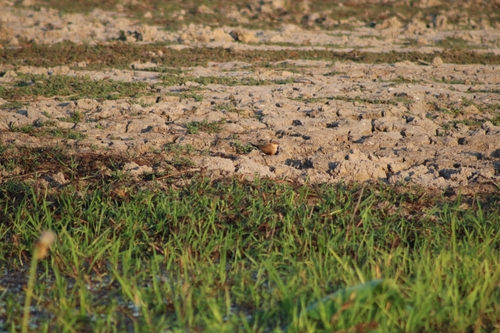
Australian Pratincole (Glareola isabella) Australian Pratincole
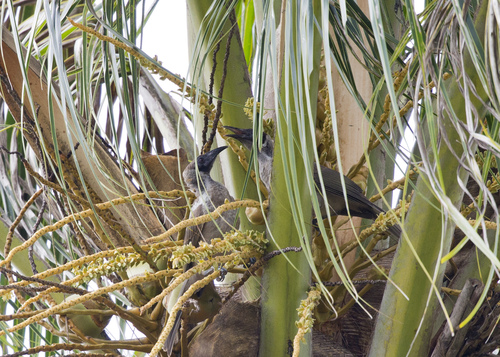
Little Friarbird (Philemon citreogularis) Little Friarbird

Media

Loading…

In short

The most reliable field mark between Australian Pratincole and Little Friarbird is overall structure and jizz: pratincole is a slender, long-legged shorebird with pointed wings and a short, decurved bill, while friarbird is a chunky, upright honeyeater with a heavy, curved bill and bare blue skin on the face. In flight, Australian Pratincole (especially juveniles and non-breeding birds) shows sandy-brown upperparts with black outer wings and a square-cut tail with white sides, while Little Friarbird is uniformly dark grey-brown above with a square tail and lacks any wing pattern. Juvenile friarbirds have a paler face and yellowish throat, but never the sandy tones or wing contrast of pratincole. Bill shape, leg length, and face pattern are the quickest ways to separate them at any age.

Identification tips

  1. Structure and jizz: Pratincole is slender, long-legged, with a short decurved bill and pointed wings. Friarbird is chunky, upright, with a heavy, curved bill and no casque (unlike other friarbirds).
  2. Bill shape: Pratincole has a short, fine, decurved bill (red base in breeding adults); friarbird has a long, heavy, all-black curved bill.
  3. Leg length: Pratincole’s legs are long and grey-black, often visible even when standing; friarbird’s legs are shorter and less conspicuous.
  4. Face pattern: Pratincole (breeding) has a black loral stripe; non-breeding/juvenile lacks this but never shows bare skin. Friarbird has bare blue (to grey/blackish) skin under the eye and over the cheek, surrounded by dark feathers, present in all ages (paler in juveniles).
  5. Crown/nape: Juvenile pratincole has dark streaks on the crown/nape; friarbird has a dull white nape patch and no streaking.
  6. Upperparts color: Pratincole is sandy brown to grey-brown (depending on age/season); friarbird is always dark grey-brown.
  7. Wing pattern in flight: Pratincole (all ages) shows sandy brown inner wing and black outer wing, with white on the upper-tail coverts and tail sides. Friarbird has uniformly dark wings with no contrasting pattern.
  8. Tail: Both have square-cut tails, but pratincole’s tail has white sides and coverts visible in flight; friarbird’s tail is uniformly dark with pale tips, less obvious in the field.
  9. Juvenile confusion: Juvenile pratincole is paler, sandy, with streaked crown and no black lores; juvenile friarbird is paler than adult, with yellow-washed chin/throat and yellow spots on the breast, but never sandy or streaked.
  10. Plumage pitfalls: Non-breeding and juvenile pratincoles can look duller and less contrasting, but always lack bare facial skin. Friarbird’s bare skin is diagnostic at any age.
  11. Behavior: Pratincole runs and darts on open ground, sometimes feigning injury with wings raised; friarbird is arboreal, perches upright, and is often seen chasing other birds.
  12. Habitat: Pratincole is found on open, arid ground; friarbird is in trees, woodlands, or urban parks.
  13. Vocalization: Friarbird is very vocal and noisy; pratincole is mostly quiet except for alarm calls during distraction displays.
  14. Seasonal context: Pratincole is more likely in arid inland areas, especially during breeding season; friarbird is common in wooded, urban, or forested areas year-round in its range.
  15. Size: Friarbird is larger and bulkier, but size alone is not always reliable without direct comparison.

Size

Australian Pratincole is smaller and more delicate, measuring 19–24 cm in length with a wingspan of 50–60 cm and weighing 55–75 g [wikipedia]. Little Friarbird is larger and bulkier, at 25–30 cm in length (average 27 cm) and about 67 g [wikipedia]. The friarbird’s size is accentuated by its upright stance and robust body, while pratincole appears slim and long-legged.

Plumage

Juvenile and non-breeding Australian Pratincole are sandy brown above with paler sandy-buff fringes and a square-cut tail with white sides and upper-tail coverts; the lores lack black, and the crown/nape are streaked dark brown. In flight, all ages show sandy inner wings and black outer wings, with a distinctive white tail pattern. Breeding adults have a black loral stripe and a bright red bill base. Little Friarbird, by contrast, is dark grey-brown above with a dull white nape patch and fine silvery streaks on the breast. Its face is marked by bare blue skin (grey to blackish) under the eye, surrounded by dark feathers. Juvenile friarbirds are paler, with a yellow-washed chin and throat, and a less distinct tail cut, but never show the sandy or black-and-white wing/tail contrast of pratincole. Both species have square-cut tails, but only pratincole shows white on the tail in flight.

Behaviour

Australian Pratincole is often seen running or standing upright on open ground, sometimes performing distraction displays with wings raised or feigning injury, and forages by stalking and darting after insects. Its flight is agile and swift, with pointed wings. Little Friarbird is more arboreal, often seen chasing other birds, perching upright, and feeding in flowering trees. Its flight is characterized by shallow, quivering wingbeats and is less agile than the pratincole’s.

Habitat

Australian Pratincole prefers open, arid inland habitats, often on bare ground or sparsely vegetated plains. It breeds in the interior of Australia and winters in northern/eastern Australia, Indonesia, and New Guinea. Little Friarbird is found in woodlands, forests, and urban parks throughout northern and eastern Australia and southern New Guinea, usually in areas with flowering trees and shrubs. The two rarely overlap in typical habitat.

Voice

Little Friarbird is very vocal, often heard calling loudly and frequently, especially when chasing other birds. Australian Pratincole is generally quieter, with alarm calls mostly during distraction displays; its non-vocal wing-beating sounds can be heard during these displays.

Submit a better description

Use the same sections as the comparison. Your text is published immediately.

The most reliable field mark between Australian Pratincole and Little Friarbird is overall structure and jizz: pratincole is a slender, long-legged shorebird with pointed wings and a short, decurved bill, while friarbird is a chunky, upright honeyeater with a heavy, curved bill and bare blue skin on the face. In flight, Australian Pratincole (especially juveniles and non-breeding birds) shows sandy-brown upperparts with black outer wings and a square-cut tail with white sides, while Little Friarbird is uniformly dark grey-brown above with a square tail and lacks any wing pattern. Juvenile friarbirds have a paler face and yellowish throat, but never the sandy tones or wing contrast of pratincole. Bill shape, leg length, and face pattern are the quickest ways to separate them at any age.

  1. Structure and jizz: Pratincole is slender, long-legged, with a short decurved bill and pointed wings. Friarbird is chunky, upright, with a heavy, curved bill and no casque (unlike other friarbirds).
  2. Bill shape: Pratincole has a short, fine, decurved bill (red base in breeding adults); friarbird has a long, heavy, all-black curved bill.
  3. Leg length: Pratincole’s legs are long and grey-black, often visible even when standing; friarbird’s legs are shorter and less conspicuous.
  4. Face pattern: Pratincole (breeding) has a black loral stripe; non-breeding/juvenile lacks this but never shows bare skin. Friarbird has bare blue (to grey/blackish) skin under the eye and over the cheek, surrounded by dark feathers, present in all ages (paler in juveniles).
  5. Crown/nape: Juvenile pratincole has dark streaks on the crown/nape; friarbird has a dull white nape patch and no streaking.
  6. Upperparts color: Pratincole is sandy brown to grey-brown (depending on age/season); friarbird is always dark grey-brown.
  7. Wing pattern in flight: Pratincole (all ages) shows sandy brown inner wing and black outer wing, with white on the upper-tail coverts and tail sides. Friarbird has uniformly dark wings with no contrasting pattern.
  8. Tail: Both have square-cut tails, but pratincole’s tail has white sides and coverts visible in flight; friarbird’s tail is uniformly dark with pale tips, less obvious in the field.
  9. Juvenile confusion: Juvenile pratincole is paler, sandy, with streaked crown and no black lores; juvenile friarbird is paler than adult, with yellow-washed chin/throat and yellow spots on the breast, but never sandy or streaked.
  10. Plumage pitfalls: Non-breeding and juvenile pratincoles can look duller and less contrasting, but always lack bare facial skin. Friarbird’s bare skin is diagnostic at any age.
  11. Behavior: Pratincole runs and darts on open ground, sometimes feigning injury with wings raised; friarbird is arboreal, perches upright, and is often seen chasing other birds.
  12. Habitat: Pratincole is found on open, arid ground; friarbird is in trees, woodlands, or urban parks.
  13. Vocalization: Friarbird is very vocal and noisy; pratincole is mostly quiet except for alarm calls during distraction displays.
  14. Seasonal context: Pratincole is more likely in arid inland areas, especially during breeding season; friarbird is common in wooded, urban, or forested areas year-round in its range.
  15. Size: Friarbird is larger and bulkier, but size alone is not always reliable without direct comparison.

Australian Pratincole is smaller and more delicate, measuring 19–24 cm in length with a wingspan of 50–60 cm and weighing 55–75 g [wikipedia]. Little Friarbird is larger and bulkier, at 25–30 cm in length (average 27 cm) and about 67 g [wikipedia]. The friarbird’s size is accentuated by its upright stance and robust body, while pratincole appears slim and long-legged.

Juvenile and non-breeding Australian Pratincole are sandy brown above with paler sandy-buff fringes and a square-cut tail with white sides and upper-tail coverts; the lores lack black, and the crown/nape are streaked dark brown. In flight, all ages show sandy inner wings and black outer wings, with a distinctive white tail pattern. Breeding adults have a black loral stripe and a bright red bill base. Little Friarbird, by contrast, is dark grey-brown above with a dull white nape patch and fine silvery streaks on the breast. Its face is marked by bare blue skin (grey to blackish) under the eye, surrounded by dark feathers. Juvenile friarbirds are paler, with a yellow-washed chin and throat, and a less distinct tail cut, but never show the sandy or black-and-white wing/tail contrast of pratincole. Both species have square-cut tails, but only pratincole shows white on the tail in flight.

Australian Pratincole is often seen running or standing upright on open ground, sometimes performing distraction displays with wings raised or feigning injury, and forages by stalking and darting after insects. Its flight is agile and swift, with pointed wings. Little Friarbird is more arboreal, often seen chasing other birds, perching upright, and feeding in flowering trees. Its flight is characterized by shallow, quivering wingbeats and is less agile than the pratincole’s.

Australian Pratincole prefers open, arid inland habitats, often on bare ground or sparsely vegetated plains. It breeds in the interior of Australia and winters in northern/eastern Australia, Indonesia, and New Guinea. Little Friarbird is found in woodlands, forests, and urban parks throughout northern and eastern Australia and southern New Guinea, usually in areas with flowering trees and shrubs. The two rarely overlap in typical habitat.

Little Friarbird is very vocal, often heard calling loudly and frequently, especially when chasing other birds. Australian Pratincole is generally quieter, with alarm calls mostly during distraction displays; its non-vocal wing-beating sounds can be heard during these displays.

Discard your changes?

You have unsaved edits. If you leave now, those changes will be lost.

Australian Pratincole · Little Friarbird · My Tricky Birds