

Motmot

アシナガツバメチドリ 対 ヒメハゲミツスイ

Glareola isabella 対 Philemon citreogularis

アシナガツバメチドリとヒメハゲミツスイのクイズ
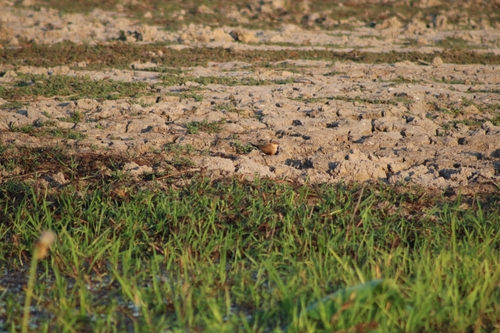
アシナガツバメチドリ (Glareola isabella) アシナガツバメチドリ
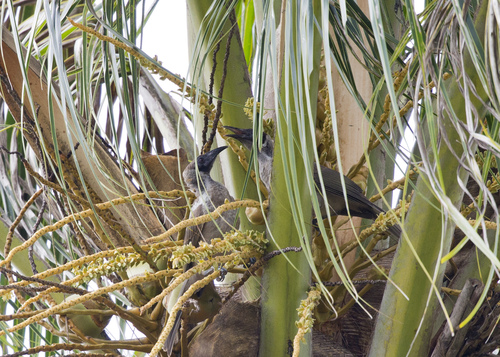
ヒメハゲミツスイ (Philemon citreogularis) ヒメハゲミツスイ

メディア

読み込み中…

要点

オーストラリアアシナガツバメチドリとヒメハゲミツスイの最も信頼できるフィールドマークは全体的な構造と印象です:アシナガツバメチドリは細長く、長い脚を持つ shorebird で、尖った翼と短い下向きのくちばしを持ち、ヒメハゲミツスイはずんぐりした直立したハニーイーターで、重い曲がったくちばしと顔に裸の青い皮膚があります。飛行中、オーストラリアアシナガツバメチドリ(特に幼鳥や非繁殖の鳥)は、黒い外翼と白い側面を持つ四角い尾を持つ砂色の上面を示し、ヒメハゲミツスイは上面が均一に暗い灰色から茶色で、四角い尾を持ち、翼の模様がありません。幼鳥のハゲミツスイは顔が淡く、喉が黄色がかっていますが、アシナガツバメチドリの砂色のトーンや翼のコントラストは決して持ちません。くちばしの形、脚の長さ、顔の模様は、どの年齢でもそれらを区別する最も迅速な方法です。

識別のコツ

  1. 構造と印象:アシナガツバメチドリは細長く、長い脚を持ち、短い下向きのくちばしと尖った翼を持っています。ヒメハゲミツスイはずんぐりして直立し、重い曲がったくちばしとカスケがありません(他のハゲミツスイとは異なります)。
  2. くちばしの形:アシナガツバメチドリは短くて細い下向きのくちばしを持ち(繁殖期の成鳥は赤い基部)、ハゲミツスイは長くて重い全黒の曲がったくちばしを持っています。
  3. 脚の長さ:アシナガツバメチドリの脚は長く灰黒で、立っているときでもよく見えます。ハゲミツスイの脚は短く、目立たないです。
  4. 顔の模様:アシナガツバメチドリ(繁殖期)は黒いロラルストライプを持ち、非繁殖/幼鳥はこれを欠きますが、裸の皮膚は決して見せません。ハゲミツスイは目の下と頬の上に裸の青い(灰色から黒っぽい)皮膚があり、暗い羽毛に囲まれ、すべての年齢で見られます(幼鳥では淡いです)。
  5. 頭頂/後頭部:幼鳥のアシナガツバメチドリは頭頂/後頭部に暗い筋があり、ハゲミツスイは鈍い白い後頭部の斑点があり、筋はありません。
  6. 上面の色:アシナガツバメチドリは年齢/季節によって砂色から灰色茶色です。ハゲミツスイは常に暗い灰色茶色です。
  7. 飛行中の翼の模様:アシナガツバメチドリ(すべての年齢)は砂色の内翼と黒い外翼を示し、上尾覆と尾の側面に白があります。ハゲミツスイは均一に暗い翼を持ち、対照的な模様はありません。
  8. 尾:両者は四角い尾を持っていますが、アシナガツバメチドリの尾は飛行中に白い側面と覆羽が見えます。ハゲミツスイの尾は均一に暗く、淡い先端があり、フィールドではあまり目立ちません。
  9. 幼鳥の混乱:幼鳥のアシナガツバメチドリは淡く、砂色で、頭頂に筋があり、黒いロアはありません。幼鳥のハゲミツスイは成鳥よりも淡く、黄色がかった顎/喉と胸に黄色の斑点がありますが、決して砂色や筋はありません。
  10. 羽毛の落とし穴:非繁殖期や幼鳥のアシナガツバメチドリは鈍く見え、コントラストが少ないことがありますが、常に裸の顔の皮膚は欠いています。ハゲミツスイの裸の皮膚はどの年齢でも診断的です。
  11. 行動:アシナガツバメチドリは開けた地面で走ったり、時には翼を上げて気をそらすディスプレイを行ったり、怪我を装ったりします。ハゲミツスイは樹上性で、直立して止まったり、他の鳥を追いかけたりします。
  12. 生息地:アシナガツバメチドリは開けた乾燥した地面に見られ、ハゲミツスイは木々、森林、または都市公園にいます。
  13. 鳴き声:ハゲミツスイは非常に声が大きく、騒がしいです。アシナガツバメチドリは、気をそらすディスプレイ中の警戒音を除いて、ほとんど静かです。
  14. 季節的文脈:アシナガツバメチドリは特に繁殖期に乾燥した内陸地域にいる可能性が高く、ハゲミツスイはその範囲内で一年中、森林、都市、または森林のある地域で一般的です。
  15. サイズ:ハゲミツスイは大きくてずんぐりしていますが、サイズだけでは直接比較なしには信頼できません。

大きさ

オーストラリアアシナガツバメチドリは小さくて繊細で、全長19〜24 cm、翼幅50〜60 cm、体重55〜75 gです [wikipedia]。ヒメハゲミツスイは大きくてずんぐりしており、全長25〜30 cm(平均27 cm)で、体重は約67 gです [wikipedia]。ハゲミツスイのサイズは直立した姿勢と頑丈な体によって強調され、アシナガツバメチドリは細く長い脚を持っています。

羽色

幼鳥および非繁殖のオーストラリアアシナガツバメチドリは上面が砂色で、淡い砂色のバフの縁取りと白い側面と上尾覆を持つ四角い尾があります。ロアには黒がなく、頭頂/後頭部は暗い茶色の筋が入っています。飛行中、すべての年齢は砂色の内翼と黒い外翼を示し、特徴的な白い尾の模様があります。繁殖期の成鳥は黒いロラルストライプと明るい赤いくちばしの基部を持っています。対照的に、ヒメハゲミツスイは上面が暗い灰色茶色で、鈍い白い後頭部の斑点と胸に細い銀色の筋があります。顔は目の下に裸の青い皮膚(灰色から黒っぽい)で、暗い羽毛に囲まれています。幼鳥のハゲミツスイは淡く、黄色がかった顎と喉を持ち、尾の切れがあまり明確ではありませんが、アシナガツバメチドリの砂色や白黒の翼/尾のコントラストは決して示しません。両種は四角い尾を持っていますが、飛行中に尾に白を示すのはアシナガツバメチドリだけです。

行動

オーストラリアアシナガツバメチドリはしばしば開けた地面で走ったり直立しているのが見られ、時には翼を上げて気をそらすディスプレイを行ったり、怪我を装ったりし、昆虫を追いかけて採餌します。飛行は敏捷で速く、尖った翼を持っています。ヒメハゲミツスイはより樹上性で、他の鳥を追いかけたり、直立して止まったり、花のある木で餌を食べるのがよく見られます。飛行は浅く、震える翼の拍動で、アシナガツバメチドリよりも敏捷性が低いです。

生息環境

オーストラリアアシナガツバメチドリは開けた乾燥した内陸の生息地を好み、裸の地面やまばらに植生のある平原で見られます。オーストラリアの内陸で繁殖し、北部/東部オーストラリア、インドネシア、ニューギニアで冬を越します。ヒメハゲミツスイは北部および東部オーストラリアと南部ニューギニアの森林、木立、都市公園に見られ、通常は花のある木や低木のある地域に生息しています。両者は典型的な生息地で重なることはほとんどありません。

声

ヒメハゲミツスイは非常に声が大きく、特に他の鳥を追いかけるときに大きく頻繁に鳴くのが聞こえます。オーストラリアアシナガツバメチドリは一般的に静かで、気をそらすディスプレイ中に警戒音を発することがほとんどで、これらのディスプレイ中に非音声の翼の拍動音が聞こえます。

より良い説明を送る

比較と同じ項目を使ってください。文章はすぐに公開されます。

The most reliable field mark between Australian Pratincole and Little Friarbird is overall structure and jizz: pratincole is a slender, long-legged shorebird with pointed wings and a short, decurved bill, while friarbird is a chunky, upright honeyeater with a heavy, curved bill and bare blue skin on the face. In flight, Australian Pratincole (especially juveniles and non-breeding birds) shows sandy-brown upperparts with black outer wings and a square-cut tail with white sides, while Little Friarbird is uniformly dark grey-brown above with a square tail and lacks any wing pattern. Juvenile friarbirds have a paler face and yellowish throat, but never the sandy tones or wing contrast of pratincole. Bill shape, leg length, and face pattern are the quickest ways to separate them at any age.

  1. Structure and jizz: Pratincole is slender, long-legged, with a short decurved bill and pointed wings. Friarbird is chunky, upright, with a heavy, curved bill and no casque (unlike other friarbirds).
  2. Bill shape: Pratincole has a short, fine, decurved bill (red base in breeding adults); friarbird has a long, heavy, all-black curved bill.
  3. Leg length: Pratincole’s legs are long and grey-black, often visible even when standing; friarbird’s legs are shorter and less conspicuous.
  4. Face pattern: Pratincole (breeding) has a black loral stripe; non-breeding/juvenile lacks this but never shows bare skin. Friarbird has bare blue (to grey/blackish) skin under the eye and over the cheek, surrounded by dark feathers, present in all ages (paler in juveniles).
  5. Crown/nape: Juvenile pratincole has dark streaks on the crown/nape; friarbird has a dull white nape patch and no streaking.
  6. Upperparts color: Pratincole is sandy brown to grey-brown (depending on age/season); friarbird is always dark grey-brown.
  7. Wing pattern in flight: Pratincole (all ages) shows sandy brown inner wing and black outer wing, with white on the upper-tail coverts and tail sides. Friarbird has uniformly dark wings with no contrasting pattern.
  8. Tail: Both have square-cut tails, but pratincole’s tail has white sides and coverts visible in flight; friarbird’s tail is uniformly dark with pale tips, less obvious in the field.
  9. Juvenile confusion: Juvenile pratincole is paler, sandy, with streaked crown and no black lores; juvenile friarbird is paler than adult, with yellow-washed chin/throat and yellow spots on the breast, but never sandy or streaked.
  10. Plumage pitfalls: Non-breeding and juvenile pratincoles can look duller and less contrasting, but always lack bare facial skin. Friarbird’s bare skin is diagnostic at any age.
  11. Behavior: Pratincole runs and darts on open ground, sometimes feigning injury with wings raised; friarbird is arboreal, perches upright, and is often seen chasing other birds.
  12. Habitat: Pratincole is found on open, arid ground; friarbird is in trees, woodlands, or urban parks.
  13. Vocalization: Friarbird is very vocal and noisy; pratincole is mostly quiet except for alarm calls during distraction displays.
  14. Seasonal context: Pratincole is more likely in arid inland areas, especially during breeding season; friarbird is common in wooded, urban, or forested areas year-round in its range.
  15. Size: Friarbird is larger and bulkier, but size alone is not always reliable without direct comparison.

Australian Pratincole is smaller and more delicate, measuring 19–24 cm in length with a wingspan of 50–60 cm and weighing 55–75 g [wikipedia]. Little Friarbird is larger and bulkier, at 25–30 cm in length (average 27 cm) and about 67 g [wikipedia]. The friarbird’s size is accentuated by its upright stance and robust body, while pratincole appears slim and long-legged.

Juvenile and non-breeding Australian Pratincole are sandy brown above with paler sandy-buff fringes and a square-cut tail with white sides and upper-tail coverts; the lores lack black, and the crown/nape are streaked dark brown. In flight, all ages show sandy inner wings and black outer wings, with a distinctive white tail pattern. Breeding adults have a black loral stripe and a bright red bill base. Little Friarbird, by contrast, is dark grey-brown above with a dull white nape patch and fine silvery streaks on the breast. Its face is marked by bare blue skin (grey to blackish) under the eye, surrounded by dark feathers. Juvenile friarbirds are paler, with a yellow-washed chin and throat, and a less distinct tail cut, but never show the sandy or black-and-white wing/tail contrast of pratincole. Both species have square-cut tails, but only pratincole shows white on the tail in flight.

Australian Pratincole is often seen running or standing upright on open ground, sometimes performing distraction displays with wings raised or feigning injury, and forages by stalking and darting after insects. Its flight is agile and swift, with pointed wings. Little Friarbird is more arboreal, often seen chasing other birds, perching upright, and feeding in flowering trees. Its flight is characterized by shallow, quivering wingbeats and is less agile than the pratincole’s.

Australian Pratincole prefers open, arid inland habitats, often on bare ground or sparsely vegetated plains. It breeds in the interior of Australia and winters in northern/eastern Australia, Indonesia, and New Guinea. Little Friarbird is found in woodlands, forests, and urban parks throughout northern and eastern Australia and southern New Guinea, usually in areas with flowering trees and shrubs. The two rarely overlap in typical habitat.

Little Friarbird is very vocal, often heard calling loudly and frequently, especially when chasing other birds. Australian Pratincole is generally quieter, with alarm calls mostly during distraction displays; its non-vocal wing-beating sounds can be heard during these displays.

変更を破棄しますか?

保存していない編集があります。今離れると失われます。

アシナガツバメチドリ · ヒメハゲミツスイ · 苦手な鳥