

Motmot

Ashy Tit vs African Penduline Tit

Melaniparus cinerascens versus Anthoscopus caroli

Play a quiz with Ashy Tit and African Penduline Tit
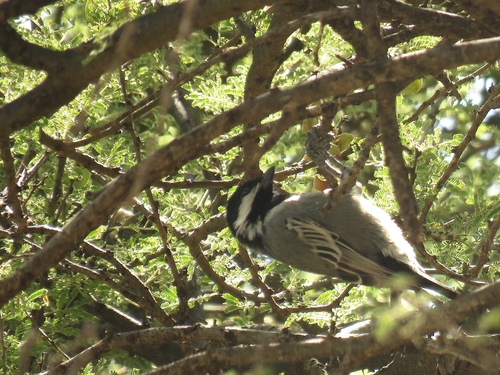
Ashy Tit (Melaniparus cinerascens) Ashy Tit
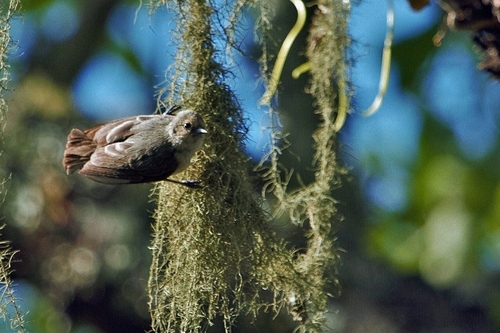
African Penduline Tit (Anthoscopus caroli) African Penduline Tit

Media

Loading…

In short

The most reliable way to separate Ashy Tit from African Penduline Tit is by overall size and structure: Ashy Tit is much larger and bulkier, with a proportionately heavier bill and longer tail, while African Penduline Tit is tiny, very compact, and noticeably short-tailed. Both species can appear greyish above and pale below, but the Ashy Tit has a more robust, tit-like jizz, whereas the penduline tit is almost kinglet-sized and delicate. These differences are evident in both perched and flight views, but especially striking when seen side by side or with familiar species for scale. Habitat overlap is broad, so do not rely on location alone.

Identification tips

  1. Size is the quickest separator: Ashy Tit is much larger and bulkier than African Penduline Tit. If you have any sense of scale, this is often enough.
  2. Bill shape and size: Ashy Tit has a strong, deep, tit-like bill; African Penduline Tit’s bill is tiny and fine, almost warbler-like. This is visible even at moderate range.
  3. Tail length and shape: Ashy Tit has a noticeably longer tail, often held straight or slightly cocked. African Penduline Tit’s tail is short and stubby, adding to its compact look.
  4. Facial pattern: Ashy Tit shows a bold black bib and strong contrast on the face. African Penduline Tit lacks the black bib and has a much plainer, softer face, sometimes with a faint pale supercilium.
  5. Underparts: Both are pale below, but Ashy Tit’s black bib stands out on the throat and upper chest; African Penduline Tit is pale throughout, with no bib.
  6. Upperparts: Both are greyish above, but Ashy Tit is more uniformly ashy, while African Penduline Tit may appear slightly browner or warmer grey, especially in worn plumage.
  7. Behavior: Watch for movement style: Ashy Tit is methodical and tit-like, while African Penduline Tit is extremely active, flitting and hanging acrobatically from twigs.
  8. Perched posture: Ashy Tit often sits upright with a long tail; African Penduline Tit looks compact, almost round, with a short tail and a more horizontal posture.
  9. Habitat overlap: Both species use similar habitats in the overlap zone; do not rely on habitat alone for separation.
  10. Flock association: African Penduline Tit is more likely to join mixed-species flocks and can be seen in larger groups; Ashy Tit is more often in pairs or small family parties.
  11. Juvenile/immature confusion: No distinctive juvenile wing or flight marks are described for either species, so structure and face pattern remain the best clues at all ages.
  12. Voice: Not described in the sources, so do not rely on calls or song for separation in this context.
  13. Season and sex: No strong seasonal or sexual dimorphism is noted in the sources; all tips above apply year-round and to both sexes.
  14. Common pitfalls: Do not be misled by overall grey-and-white coloration; focus on size, bill, tail, and facial pattern. Both can look plain in poor light, but the structural differences are always present.
  15. When in doubt: If you cannot judge size or bill, look for the black bib (Ashy Tit) versus plain throat (Penduline Tit) and overall jizz (robust vs. tiny and compact).

Size

Ashy Tit is a true tit (Paridae) and is much larger and heavier than African Penduline Tit, which is one of Africa’s smallest passerines. The Ashy Tit is similar in size to Great or Blue Tit, with a strong, deep bill and a longish tail. In contrast, African Penduline Tit is tiny, with a very small, fine bill and a short, stubby tail, giving it a compact, almost round appearance. Even at a distance, the size gap is striking if you have a sense of scale (e.g., with nearby weavers or sparrows). [wikipedia][avonet]

Plumage

There are no detailed age-specific wing or flight pattern marks in the sources, but general plumage differences are consistent across ages. Ashy Tit is overall ashy-grey above and pale below, with a clear, contrasting black bib and sometimes a pale wing panel. African Penduline Tit is also greyish above and pale below, but lacks the bold black bib; instead, it may show a subtle pale supercilium and a less contrasting face. The Ashy Tit’s face is more striking, with a strong black-and-white pattern, while the penduline tit’s facial markings are much more subdued. Both species can look plain from a distance, but the Ashy Tit’s darker throat and more robust patterning are helpful at close range. Juvenile and immature plumages are not described in detail in the sources for either species, so rely on structure and facial pattern for all ages. [wikipedia]

Behaviour

Ashy Tit behaves like a typical tit: active, often in pairs or small groups, moving methodically through trees and bushes, sometimes hanging upside down but generally less acrobatic than penduline tits. African Penduline Tit is extremely active and agile, often seen flitting rapidly through foliage, hanging from twigs, and sometimes forming loose flocks. Penduline Tits are more likely to be seen in mixed-species flocks and can appear almost restless compared to the steadier movements of Ashy Tit. [wikipedia]

Habitat

Both species occur in dry forests and savanna, and their ranges overlap widely in southern Africa (Angola, Botswana, Namibia, South Africa, Zimbabwe). African Penduline Tit extends further north and east, but in the core overlap zone, habitat is not a reliable separator. Both can be found in acacia woodland, mopane, and dry scrub. [wikipedia]

Submit a better description

Use the same sections as the comparison. Your text is published immediately.

The most reliable way to separate Ashy Tit from African Penduline Tit is by overall size and structure: Ashy Tit is much larger and bulkier, with a proportionately heavier bill and longer tail, while African Penduline Tit is tiny, very compact, and noticeably short-tailed. Both species can appear greyish above and pale below, but the Ashy Tit has a more robust, tit-like jizz, whereas the penduline tit is almost kinglet-sized and delicate. These differences are evident in both perched and flight views, but especially striking when seen side by side or with familiar species for scale. Habitat overlap is broad, so do not rely on location alone.

  1. Size is the quickest separator: Ashy Tit is much larger and bulkier than African Penduline Tit. If you have any sense of scale, this is often enough.
  2. Bill shape and size: Ashy Tit has a strong, deep, tit-like bill; African Penduline Tit’s bill is tiny and fine, almost warbler-like. This is visible even at moderate range.
  3. Tail length and shape: Ashy Tit has a noticeably longer tail, often held straight or slightly cocked. African Penduline Tit’s tail is short and stubby, adding to its compact look.
  4. Facial pattern: Ashy Tit shows a bold black bib and strong contrast on the face. African Penduline Tit lacks the black bib and has a much plainer, softer face, sometimes with a faint pale supercilium.
  5. Underparts: Both are pale below, but Ashy Tit’s black bib stands out on the throat and upper chest; African Penduline Tit is pale throughout, with no bib.
  6. Upperparts: Both are greyish above, but Ashy Tit is more uniformly ashy, while African Penduline Tit may appear slightly browner or warmer grey, especially in worn plumage.
  7. Behavior: Watch for movement style: Ashy Tit is methodical and tit-like, while African Penduline Tit is extremely active, flitting and hanging acrobatically from twigs.
  8. Perched posture: Ashy Tit often sits upright with a long tail; African Penduline Tit looks compact, almost round, with a short tail and a more horizontal posture.
  9. Habitat overlap: Both species use similar habitats in the overlap zone; do not rely on habitat alone for separation.
  10. Flock association: African Penduline Tit is more likely to join mixed-species flocks and can be seen in larger groups; Ashy Tit is more often in pairs or small family parties.
  11. Juvenile/immature confusion: No distinctive juvenile wing or flight marks are described for either species, so structure and face pattern remain the best clues at all ages.
  12. Voice: Not described in the sources, so do not rely on calls or song for separation in this context.
  13. Season and sex: No strong seasonal or sexual dimorphism is noted in the sources; all tips above apply year-round and to both sexes.
  14. Common pitfalls: Do not be misled by overall grey-and-white coloration; focus on size, bill, tail, and facial pattern. Both can look plain in poor light, but the structural differences are always present.
  15. When in doubt: If you cannot judge size or bill, look for the black bib (Ashy Tit) versus plain throat (Penduline Tit) and overall jizz (robust vs. tiny and compact).

Ashy Tit is a true tit (Paridae) and is much larger and heavier than African Penduline Tit, which is one of Africa’s smallest passerines. The Ashy Tit is similar in size to Great or Blue Tit, with a strong, deep bill and a longish tail. In contrast, African Penduline Tit is tiny, with a very small, fine bill and a short, stubby tail, giving it a compact, almost round appearance. Even at a distance, the size gap is striking if you have a sense of scale (e.g., with nearby weavers or sparrows). [wikipedia][avonet]

There are no detailed age-specific wing or flight pattern marks in the sources, but general plumage differences are consistent across ages. Ashy Tit is overall ashy-grey above and pale below, with a clear, contrasting black bib and sometimes a pale wing panel. African Penduline Tit is also greyish above and pale below, but lacks the bold black bib; instead, it may show a subtle pale supercilium and a less contrasting face. The Ashy Tit’s face is more striking, with a strong black-and-white pattern, while the penduline tit’s facial markings are much more subdued. Both species can look plain from a distance, but the Ashy Tit’s darker throat and more robust patterning are helpful at close range. Juvenile and immature plumages are not described in detail in the sources for either species, so rely on structure and facial pattern for all ages. [wikipedia]

Ashy Tit behaves like a typical tit: active, often in pairs or small groups, moving methodically through trees and bushes, sometimes hanging upside down but generally less acrobatic than penduline tits. African Penduline Tit is extremely active and agile, often seen flitting rapidly through foliage, hanging from twigs, and sometimes forming loose flocks. Penduline Tits are more likely to be seen in mixed-species flocks and can appear almost restless compared to the steadier movements of Ashy Tit. [wikipedia]

Both species occur in dry forests and savanna, and their ranges overlap widely in southern Africa (Angola, Botswana, Namibia, South Africa, Zimbabwe). African Penduline Tit extends further north and east, but in the core overlap zone, habitat is not a reliable separator. Both can be found in acacia woodland, mopane, and dry scrub. [wikipedia]

Discard your changes?

You have unsaved edits. If you leave now, those changes will be lost.

Ashy Tit · African Penduline Tit · My Tricky Birds