

Motmot

ススイロガラ 対 アフリカツリスガラ

Melaniparus cinerascens 対 Anthoscopus caroli

ススイロガラとアフリカツリスガラのクイズ
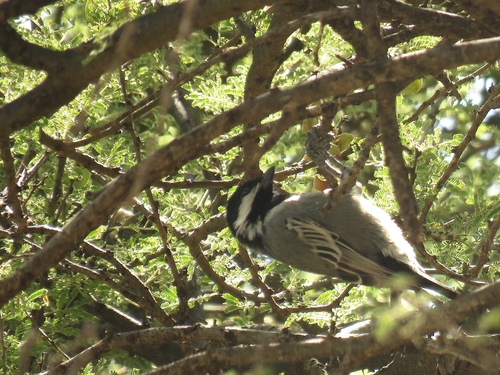
ススイロガラ (Melaniparus cinerascens) ススイロガラ
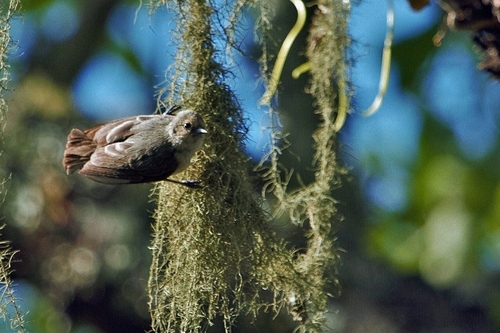
アフリカツリスガラ (Anthoscopus caroli) アフリカツリスガラ

メディア

読み込み中…

要点

アフリカツリスガラとススイロガラを区別する最も信頼できる方法は、全体のサイズと構造です:ススイロガラははるかに大きく、ずんぐりしており、比例的に重いくちばしと長い尾を持っていますが、アフリカツリスガラは小さく、非常にコンパクトで、明らかに短い尾を持っています。両種は上面が灰色がかっていて下面が淡い色に見えることがありますが、ススイロガラはより頑丈で、ツリスガラのような印象を持ち、対してアフリカツリスガラはほぼキンリョウヘンサイズで繊細です。これらの違いは、止まっている時と飛んでいる時の両方で明らかですが、特に並んでいる時や、スケールのために馴染みのある種と一緒に見た時に際立ちます。生息地の重複は広範囲にわたるため、場所だけに頼らないでください。

識別のコツ

  1. Size is the quickest separator: ススイロガラはアフリカツリスガラよりもはるかに大きく、ずんぐりしています。スケール感があれば、これだけで十分です。
  2. Bill shape and size: ススイロガラは強く、深い、ツリスガラのようなくちばしを持っています;アフリカツリスガラのくちばしは小さく、細く、ほぼウグイスのようです。これは中程度の距離でも見えます。
  3. Tail length and shape: ススイロガラは明らかに長い尾を持ち、しばしばまっすぐまたは少し傾けて保持します。アフリカツリスガラの尾は短く、ずんぐりしており、コンパクトな外観を与えています。
  4. Facial pattern: ススイロガラは大胆な黒いビブと顔の強いコントラストを示します。アフリカツリスガラは黒いビブがなく、はるかに地味で柔らかい顔を持ち、時には淡い上嘴が見られます。
  5. Underparts: 両者は下面が淡いですが、ススイロガラの黒いビブは喉と上胸で目立ちます;アフリカツリスガラは全体が淡く、ビブがありません。
  6. Upperparts: 両者は上面が灰色がかっていますが、ススイロガラはより均一に灰色で、アフリカツリスガラは特に色あせた羽毛ではわずかに茶色がかっているか、暖かい灰色に見えることがあります。
  7. Behavior: 動きのスタイルに注意してください:ススイロガラは計画的でツリスガラのようですが、アフリカツリスガラは非常に活発で、枝からアクロバティックにひらひらと動きます。
  8. Perched posture: ススイロガラはしばしば長い尾を持って直立して座ります;アフリカツリスガラはコンパクトでほぼ丸く、短い尾とより水平な姿勢を持っています。
  9. Habitat overlap: 両種は重複ゾーンで似たような生息地を使用します;生息地だけに頼って区別しないでください。
  10. Flock association: アフリカツリスガラは混成種の群れに参加する可能性が高く、より大きなグループで見られることがあります;ススイロガラはより頻繁にペアまたは小さな家族のグループにいます。
  11. Juvenile/immature confusion: 両種に特有の幼鳥の翼や飛行のマークは記載されていないため、構造と顔のパターンがすべての年齢で最良の手がかりとなります。
  12. Voice: 情報源には記載されていないため、この文脈での区別に呼び声や歌に頼らないでください。
  13. Season and sex: 情報源には強い季節的または性的二形性は記載されていないため、上記のすべてのヒントは年間を通じて両性に適用されます。
  14. Common pitfalls: 全体的な灰色と白の色合いに惑わされないでください;サイズ、くちばし、尾、顔のパターンに焦点を当ててください。両者は悪い光の中では地味に見えることがありますが、構造の違いは常に存在します。
  15. When in doubt: サイズやくちばしを判断できない場合は、黒いビブ(ススイロガラ)と地味な喉(アフリカツリスガラ)、全体の印象(頑丈 vs. 小さくてコンパクト)を探してください。

大きさ

ススイロガラは真のツリスガラ(Paridae)で、アフリカツリスガラよりもはるかに大きく、重いです。ススイロガラは、強く、深いくちばしと長めの尾を持ち、シジュウカラやブルーシジュウカラと同じくらいの大きさです。対照的に、アフリカツリスガラは小さく、非常に小さくて細いくちばしと短くてずんぐりした尾を持ち、コンパクトでほぼ丸い外観を与えています。距離があっても、サイズのギャップは際立っており、スケール感があれば(例えば、近くの織物やスズメと一緒に)明らかです。[wikipedia][avonet]

羽色

情報源には年齢特有の翼や飛行パターンの詳細なマークはありませんが、一般的な羽毛の違いは年齢を通じて一貫しています。ススイロガラは全体的に灰色がかった灰色で、下面は淡い色で、明確で対照的な黒いビブと時には淡い翼のパネルを持っています。アフリカツリスガラも上面が灰色がかっていて下面が淡いですが、大胆な黒いビブがなく、代わりに微妙な淡い上嘴とあまり対照的でない顔を示すことがあります。ススイロガラの顔はより際立っており、強い白黒のパターンを持っていますが、アフリカツリスガラの顔のマークははるかに控えめです。両種は遠くから見ると地味に見えることがありますが、ススイロガラの暗い喉とより頑丈なパターンは近距離で役立ちます。幼鳥や未熟な羽毛は、情報源には詳細に記載されていないため、すべての年齢で構造と顔のパターンに頼ってください。[wikipedia]

行動

ススイロガラは典型的なツリスガラのように振る舞います:活発で、しばしばペアまたは小さなグループで、木や茂みの中を計画的に移動し、時には逆さまにぶら下がりますが、一般的にはアフリカツリスガラよりもアクロバティックではありません。アフリカツリスガラは非常に活発で敏捷で、しばしば葉の中を急速にひらひらと移動し、枝からぶら下がり、時には緩い群れを形成します。アフリカツリスガラは混成種の群れで見られる可能性が高く、ススイロガラのより安定した動きと比較して、ほぼ落ち着きがないように見えることがあります。[wikipedia]

生息環境

両種は乾燥した森林やサバンナに生息し、南アフリカ(アンゴラ、ボツワナ、ナミビア、南アフリカ、ジンバブエ)でその範囲が広く重なっています。アフリカツリスガラは北と東にさらに広がりますが、重複ゾーンの中心では生息地は信頼できる区別要因ではありません。両者はアカシアの森林、モパネ、乾燥した低木地で見られます。[wikipedia]

より良い説明を送る

比較と同じ項目を使ってください。文章はすぐに公開されます。

The most reliable way to separate Ashy Tit from African Penduline Tit is by overall size and structure: Ashy Tit is much larger and bulkier, with a proportionately heavier bill and longer tail, while African Penduline Tit is tiny, very compact, and noticeably short-tailed. Both species can appear greyish above and pale below, but the Ashy Tit has a more robust, tit-like jizz, whereas the penduline tit is almost kinglet-sized and delicate. These differences are evident in both perched and flight views, but especially striking when seen side by side or with familiar species for scale. Habitat overlap is broad, so do not rely on location alone.

  1. Size is the quickest separator: Ashy Tit is much larger and bulkier than African Penduline Tit. If you have any sense of scale, this is often enough.
  2. Bill shape and size: Ashy Tit has a strong, deep, tit-like bill; African Penduline Tit’s bill is tiny and fine, almost warbler-like. This is visible even at moderate range.
  3. Tail length and shape: Ashy Tit has a noticeably longer tail, often held straight or slightly cocked. African Penduline Tit’s tail is short and stubby, adding to its compact look.
  4. Facial pattern: Ashy Tit shows a bold black bib and strong contrast on the face. African Penduline Tit lacks the black bib and has a much plainer, softer face, sometimes with a faint pale supercilium.
  5. Underparts: Both are pale below, but Ashy Tit’s black bib stands out on the throat and upper chest; African Penduline Tit is pale throughout, with no bib.
  6. Upperparts: Both are greyish above, but Ashy Tit is more uniformly ashy, while African Penduline Tit may appear slightly browner or warmer grey, especially in worn plumage.
  7. Behavior: Watch for movement style: Ashy Tit is methodical and tit-like, while African Penduline Tit is extremely active, flitting and hanging acrobatically from twigs.
  8. Perched posture: Ashy Tit often sits upright with a long tail; African Penduline Tit looks compact, almost round, with a short tail and a more horizontal posture.
  9. Habitat overlap: Both species use similar habitats in the overlap zone; do not rely on habitat alone for separation.
  10. Flock association: African Penduline Tit is more likely to join mixed-species flocks and can be seen in larger groups; Ashy Tit is more often in pairs or small family parties.
  11. Juvenile/immature confusion: No distinctive juvenile wing or flight marks are described for either species, so structure and face pattern remain the best clues at all ages.
  12. Voice: Not described in the sources, so do not rely on calls or song for separation in this context.
  13. Season and sex: No strong seasonal or sexual dimorphism is noted in the sources; all tips above apply year-round and to both sexes.
  14. Common pitfalls: Do not be misled by overall grey-and-white coloration; focus on size, bill, tail, and facial pattern. Both can look plain in poor light, but the structural differences are always present.
  15. When in doubt: If you cannot judge size or bill, look for the black bib (Ashy Tit) versus plain throat (Penduline Tit) and overall jizz (robust vs. tiny and compact).

Ashy Tit is a true tit (Paridae) and is much larger and heavier than African Penduline Tit, which is one of Africa’s smallest passerines. The Ashy Tit is similar in size to Great or Blue Tit, with a strong, deep bill and a longish tail. In contrast, African Penduline Tit is tiny, with a very small, fine bill and a short, stubby tail, giving it a compact, almost round appearance. Even at a distance, the size gap is striking if you have a sense of scale (e.g., with nearby weavers or sparrows). [wikipedia][avonet]

There are no detailed age-specific wing or flight pattern marks in the sources, but general plumage differences are consistent across ages. Ashy Tit is overall ashy-grey above and pale below, with a clear, contrasting black bib and sometimes a pale wing panel. African Penduline Tit is also greyish above and pale below, but lacks the bold black bib; instead, it may show a subtle pale supercilium and a less contrasting face. The Ashy Tit’s face is more striking, with a strong black-and-white pattern, while the penduline tit’s facial markings are much more subdued. Both species can look plain from a distance, but the Ashy Tit’s darker throat and more robust patterning are helpful at close range. Juvenile and immature plumages are not described in detail in the sources for either species, so rely on structure and facial pattern for all ages. [wikipedia]

Ashy Tit behaves like a typical tit: active, often in pairs or small groups, moving methodically through trees and bushes, sometimes hanging upside down but generally less acrobatic than penduline tits. African Penduline Tit is extremely active and agile, often seen flitting rapidly through foliage, hanging from twigs, and sometimes forming loose flocks. Penduline Tits are more likely to be seen in mixed-species flocks and can appear almost restless compared to the steadier movements of Ashy Tit. [wikipedia]

Both species occur in dry forests and savanna, and their ranges overlap widely in southern Africa (Angola, Botswana, Namibia, South Africa, Zimbabwe). African Penduline Tit extends further north and east, but in the core overlap zone, habitat is not a reliable separator. Both can be found in acacia woodland, mopane, and dry scrub. [wikipedia]

変更を破棄しますか?

保存していない編集があります。今離れると失われます。

ススイロガラ · アフリカツリスガラ · 苦手な鳥