

yellow-browed bulbul vs mountain bulbul
Acritillas indica versus Ixos mcclellandii
Jogue um quiz com yellow-browed bulbul e mountain bulbul
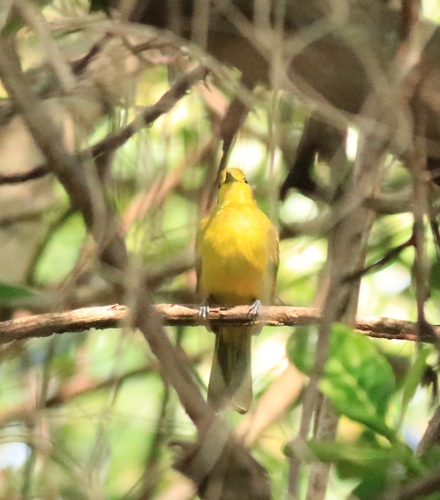 yellow-browed bulbul
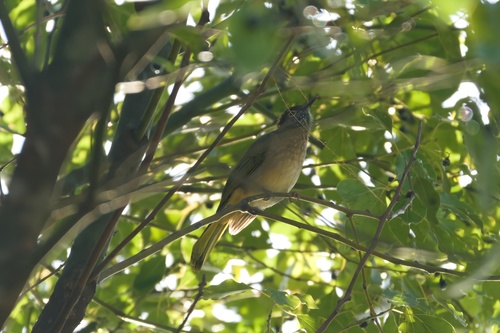 mountain bulbul
Em resumo
A marca de campo mais confiável para separar o yellow-browed bulbul do mountain bulbul é a presença de uma sobrancelha amarela brilhante e bem definida e partes inferiores totalmente amarelas no yellow-browed bulbul, em contraste com as partes inferiores mais apagadas, listradas ou tingidas de ruivo e a falta de uma sobrancelha amarela forte no mountain bulbul. Ambas as espécies são bulbuls de floresta, mas o yellow-browed bulbul é estritamente oliva por cima e amarelo por baixo, com um padrão facial distinto, enquanto o mountain bulbul é geralmente mais apagado, às vezes com asas esverdeadas e uma barriga ruiva ou listrada. A estrutura é semelhante, mas o yellow-browed bulbul não tem crista e tem uma aparência mais uniforme e limpa. O habitat e a distribuição não se sobrepõem: o yellow-browed é encontrado no sul da Índia e no Sri Lanka, enquanto o mountain bulbul está no Sudeste Asiático.
Dicas de identificação
- Sobrancelha amarela e padrão facial: O yellow-browed bulbul sempre apresenta uma sobrancelha amarela brilhante e uma área orbital amarela ('óculos'), fazendo com que o rosto pareça aberto e brilhante. O mountain bulbul não possui esse recurso; seu rosto é mais simples e menos contrastante.
- Cor das partes inferiores: O yellow-browed bulbul é uniformemente amarelo brilhante por baixo (com leves tons esverdeados ou bronzeados em algumas subespécies), enquanto o mountain bulbul tem partes inferiores mais apagadas, listradas ou tingidas de ruivo. Procure por um amarelo limpo e sem marcas no yellow-browed.
- Partes superiores: Ambos são oliva ou esverdeados por cima, mas o yellow-browed é mais uniforme e limpo, enquanto o mountain bulbul pode parecer mais apagado ou mais listrado.
- Crista: O yellow-browed bulbul não tem crista, dando-lhe um perfil de cabeça suave e arredondado. O mountain bulbul às vezes apresenta uma leve crista ou penas da coroa levantadas, mas isso nem sempre é óbvio.
- Bico e íris: O yellow-browed bulbul tem um bico preto e íris marrom-avermelhada, mas essas são marcas sutis e nem sempre visíveis em campo.
- Variação entre subespécies: Se estiver nos Ghats Ocidentais do norte, o yellow-browed bulbul pode parecer um amarelo mais pálido (A. i. icterica), mas ainda mostra a sobrancelha amarela. No Sri Lanka, os pássaros do sudoeste podem parecer mais verdes por baixo, mas a sobrancelha amarela permanece diagnóstica.
- Sem diferenças fortes de idade/sexo: Ambas as espécies têm plumagem semelhante entre os sexos e idades, então essas marcas são confiáveis durante todo o ano.
- Sem padrão de asa ou voo distinto: Nenhuma das espécies apresenta marcas únicas de asa ou voo em qualquer idade, então concentre-se em pássaros empoleirados e na cor do rosto/partes inferiores.
- Habitat e distribuição: Se visto no sul da Índia ou no Sri Lanka, especialmente em florestas, um bulbul com sobrancelha amarela é quase certamente um yellow-browed bulbul. No Sudeste Asiático, o mountain bulbul é o candidato mais provável.
- Comportamento em grupo: Ambas as espécies podem se juntar a bandos mistos, mas isso não é um separador.
- Nomes alternativos podem confundir: Os nomes alternativos do mountain bulbul (por exemplo, 'asa verde', 'barriga ruiva', 'listrado') refletem sua plumagem mais variável, listrada ou tingida de ruivo—nunca um amarelo limpo por baixo.
- Armadilhas de plumagem: Não confunda as partes superiores esverdeadas ou oliváceas de ambas as espécies; concentre-se nas partes inferiores e no rosto para separação.
- Sem diferenças vocais fortes descritas: Use marcas visuais principalmente para separação.
- Tamanho não é uma marca de campo confiável: Ambas são semelhantes em comprimento e volume; use cor e padrão em vez disso.
- Se em dúvida, verifique a sobrancelha amarela: Esta é a marca mais confiável para o yellow-browed bulbul em todas as idades e estações.
Tamanho
O mountain bulbul é ligeiramente mais pesado, com uma massa média adulta de 33 g [wikidata]. Não há dados diretos de massa disponíveis para o yellow-browed bulbul, mas ambos são bulbuls de tamanho médio (yellow-browed cerca de 20 cm de comprimento [wikipedia]). Em campo, o tamanho não é um separador forte, pois ambos são semelhantes em proporções e volume gerais.
Plumagem
Nenhuma diferença de padrão de asa ou voo específica de idade é descrita para qualquer uma das espécies, então a separação depende da plumagem geral e do padrão facial em todas as idades. O yellow-browed bulbul de todas as idades e sexos é verde-oliva por cima e amarelo brilhante por baixo, com uma sobrancelha amarela proeminente e 'óculos' amarelos ao redor do olho, e sem crista. As subespécies variam ligeiramente: os pássaros dos Ghats Ocidentais do norte são mais pálidos, os pássaros do sul são mais brilhantes, e os pássaros do Sri Lanka às vezes mostram um tom esverdeado por baixo. O mountain bulbul, em contraste, não tem uma sobrancelha amarela forte; sua plumagem é geralmente oliva ou esverdeada apagada por cima, com partes inferiores que podem ser listradas ou tingidas de ruivo (daí nomes alternativos como 'bulbul de barriga ruiva' e 'bulbul listrado da montanha'). O rosto é menos marcado, e a aparência geral é mais apagada e listrada, sem o amarelo limpo e brilhante do yellow-browed bulbul.
Comportamento
Ambas as espécies são bulbuls típicos em comportamento, forrageando no dossel médio a superior e se movendo em pequenos grupos. O yellow-browed bulbul é frequentemente visto em pares ou pequenos grupos, às vezes se juntando a bandos mistos. Nenhuma diferença comportamental distinta é notada nas fontes que separariam essas duas espécies de forma confiável em campo.
Habitat
O yellow-browed bulbul é restrito a florestas do sul da Índia e do Sri Lanka, especialmente nos Ghats Ocidentais, Nilgiris e na zona úmida do Sri Lanka [wikipedia]. O mountain bulbul é encontrado no Sudeste Asiático, tipicamente em florestas montanhosas e de colinas. Não há sobreposição de distribuição, então a localização é uma pista forte: qualquer bulbul com sobrancelha amarela no sul da Índia ou no Sri Lanka é quase certamente um yellow-browed, enquanto pássaros semelhantes nas montanhas do Sudeste Asiático são mountain bulbuls.
yellow-browed bulbul · mountain bulbul · Minhas aves difíceis