

Motmot

キマユヒヨドリ 対 ミヤマヒヨドリ

Acritillas indica 対 Ixos mcclellandii

キマユヒヨドリとミヤマヒヨドリのクイズ
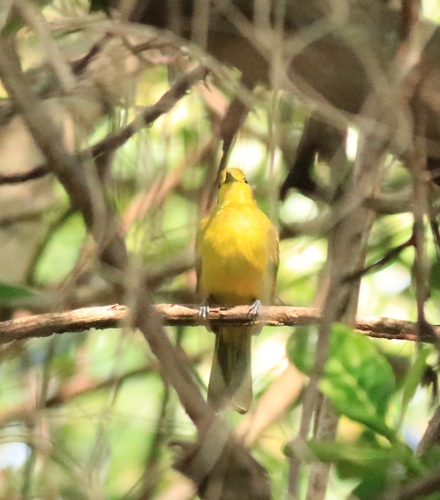
キマユヒヨドリ (Acritillas indica) キマユヒヨドリ
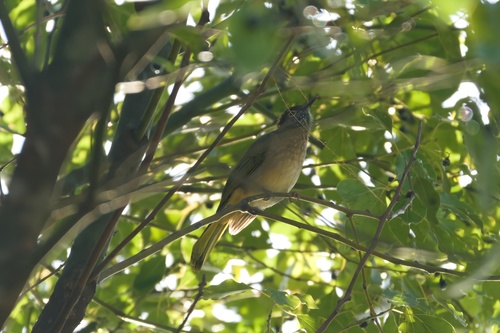
ミヤマヒヨドリ (Ixos mcclellandii) ミヤマヒヨドリ

メディア

読み込み中…

要点

イエローブラウドヒヨドリとミヤマヒヨドリを区別する最も信頼できるフィールドマークは、イエローブラウドヒヨドリに見られる明るく、はっきりとした黄色の眉と全体が黄色の腹部の存在です。対して、ミヤマヒヨドリはより muted で、ストライプ状または赤褐色がかった腹部を持ち、強い黄色の眉がありません。両種は森林のヒヨドリですが、イエローブラウドヒヨドリは上面がオリーブ色で下面が黄色、特徴的な顔の模様を持っています。一方、ミヤマヒヨドリは一般的に duller で、時には緑がかった翼や赤褐色またはストライプ状の腹部を持っています。構造は似ていますが、イエローブラウドヒヨドリは冠羽がなく、より均一でクリーンな外観をしています。生息地と分布は重なりません:イエローブラウドは南インドとスリランカに見られ、ミヤマヒヨドリは東南アジアに分布しています。

識別のコツ

  1. 黄色の眉と顔の模様: イエローブラウドヒヨドリは常に明るい黄色の眉と黄色の眼窩部('ゴーグル')を示し、顔が開放的で明るく見えます。ミヤマヒヨドリはこの特徴がなく、顔はより平坦でコントラストが少ないです。
  2. 腹部の色: イエローブラウドヒヨドリは下面が均一に明るい黄色(いくつかの亜種ではわずかに緑がかったり青銅色がかったりすることがあります)ですが、ミヤマヒヨドリは duller で、ストライプ状または赤褐色がかった腹部を持っています。イエローブラウドではクリーンで無地の黄色を探してください。
  3. 上面: 両者は上面がオリーブ色または緑がかっていますが、イエローブラウドはより均一でクリーンで、ミヤマヒヨドリは duller またはストライプ状に見えることがあります。
  4. 冠羽: イエローブラウドヒヨドリは冠羽がなく、滑らかで丸みを帯びた頭のプロファイルを持っています。ミヤマヒヨドリは時々わずかな冠羽や立ち上がった冠羽の羽毛を示しますが、これは常に明らかではありません。
  5. くちばしと虹彩: イエローブラウドヒヨドリは黒いくちばしと赤褐色の虹彩を持っていますが、これらは微妙なマークで、フィールドでは常に見えるわけではありません。
  6. 亜種の変異: 北部のウェスタン・ガーツにいる場合、イエローブラウドヒヨドリはより淡い黄色(A. i. icterica)に見えることがありますが、黄色の眉は依然として診断的です。スリランカでは、南西部の鳥は下面がより緑がかって見えることがありますが、黄色の眉は診断的です。
  7. 強い年齢/性差はない: 両種は性別や年齢に関係なく似た羽毛を持っているため、これらのマークは年間を通じて信頼できます。
  8. 独特の翼や飛行パターンはない: 両種はどの年齢でも独自の上翼や飛行マークを示さないため、止まっている鳥と顔/腹部の色に焦点を当ててください。
  9. 生息地と分布: 南インドやスリランカで特に森林の中で見られた場合、黄色の眉を持つヒヨドリはほぼ確実にイエローブラウドヒヨドリです。東南アジアでは、ミヤマヒヨドリが候補となります。
  10. 群れの行動: 両種は混合群れに参加することがありますが、これは区別要因ではありません。
  11. 別名は混乱を招くことがある: ミヤマヒヨドリの別名(例:'緑翼'、'赤褐色腹'、'ストライプ状')は、そのより変動的でストライプ状または赤褐色がかった羽毛を反映しており、決してクリーンな黄色の下面はありません。
  12. 羽毛の落とし穴: 両種の緑がかったりオリーブ色の上面を混同しないでください。分離のためには腹部と顔に焦点を当ててください。
  13. 強い鳴き声の違いは記述されていない: 主に視覚的なマークを使用して分離してください。
  14. サイズは信頼できるフィールドマークではない: 両者は長さと体重が似ているため、色とパターンを使用してください。
  15. 疑わしい場合は黄色の眉を確認: これはすべての年齢と季節においてイエローブラウドヒヨドリの最も信頼できるマークです。

大きさ

ミヤマヒヨドリはわずかに重く、平均的な成鳥の質量は33 gです[wikidata]。イエローブラウドヒヨドリの直接的な質量データは利用できませんが、両者は中型のヒヨドリです(イエローブラウドは約20 cmの長さです[wikipedia])。フィールドでは、サイズは強い区別要因ではなく、両者は全体的な比率と体重が似ています。

羽色

どちらの種についても年齢特有の翼や飛行パターンの違いは記述されていないため、分離はすべての年齢において全体の羽毛と顔の模様に依存します。すべての年齢と性別のイエローブラウドヒヨドリは上面がオリーブグリーンで、下面が明るい黄色で、目の周りに目立つ黄色の眉と黄色の'ゴーグル'があり、冠羽はありません。亜種はわずかに異なります:北部ウェスタン・ガーツの鳥は淡い色、南部の鳥は明るい色、スリランカの鳥は時に下面が緑がかって見えることがあります。対照的に、ミヤマヒヨドリは強い黄色の眉がなく、羽毛は一般的に dull olive または緑がかっており、腹部はストライプ状または赤褐色がかっていることがあります(そのため、'赤褐色腹のヒヨドリ'や'山のストライプ状ヒヨドリ'などの別名があります)。顔はあまり目立たず、全体的な見た目はより muted でストライプ状で、イエローブラウドヒヨドリのクリーンで明るい黄色はありません。

行動

両種は行動において典型的なヒヨドリであり、中層から上層の樹冠で採餌し、小さな群れで移動します。イエローブラウドヒヨドリはしばしばペアや小さな群れで見られ、時には混合群れに参加します。フィールドでこれらの2種を信頼して区別するための独特の行動の違いは、情報源には記載されていません。

生息環境

イエローブラウドヒヨドリは南インドとスリランカの森林に制限されており、特にウェスタン・ガーツ、ニルギリ、スリランカの湿潤地域に生息しています[wikipedia]。ミヤマヒヨドリは東南アジアに見られ、通常は丘陵や山地の森林に生息しています。分布は重なりがないため、場所は強い手がかりです:南インドやスリランカで黄色の眉を持つヒヨドリはほぼ確実にイエローブラウドヒヨドリであり、東南アジアの山々にいる似たような鳥はミヤマヒヨドリです。

より良い説明を送る

比較と同じ項目を使ってください。文章はすぐに公開されます。

The most reliable field mark to separate Yellow-browed Bulbul from Mountain Bulbul is the presence of a bright, well-defined yellow eyebrow and all-yellow underparts in Yellow-browed Bulbul, versus the more muted, streaked, or rufous-tinged underparts and lack of a strong yellow brow in Mountain Bulbul. Both species are forest bulbuls, but Yellow-browed Bulbul is strictly olive above and yellow below, with a distinctive facial pattern, while Mountain Bulbul is generally duller, sometimes with greenish wings and a rufous or streaked belly. Structure is similar, but Yellow-browed Bulbul lacks a crest and has a more uniform, clean look. Habitat and range do not overlap: Yellow-browed is found in southern India and Sri Lanka, Mountain Bulbul in Southeast Asia.

  1. Yellow brow and facial pattern: Yellow-browed Bulbul always shows a bright yellow eyebrow and yellow orbital area ('goggles'), making the face look open and bright. Mountain Bulbul lacks this feature; its face is plainer and less contrasting.
  2. Underparts color: Yellow-browed Bulbul is uniformly bright yellow below (with minor greenish or bronzy tinges in some subspecies), while Mountain Bulbul has duller, streaked, or rufous-tinged underparts. Look for clean, unmarked yellow in Yellow-browed.
  3. Upperparts: Both are olive or greenish above, but Yellow-browed is more uniform and clean, while Mountain Bulbul may look duller or more streaked.
  4. Crest: Yellow-browed Bulbul lacks a crest, giving it a smooth, rounded head profile. Mountain Bulbul sometimes shows a slight crest or raised crown feathers, but this is not always obvious.
  5. Bill and iris: Yellow-browed Bulbul has a black bill and reddish-brown iris, but these are subtle marks and not always visible in the field.
  6. Subspecies variation: If in the northern Western Ghats, Yellow-browed Bulbul may appear paler yellow (A. i. icterica), but still shows the yellow brow. In Sri Lanka, southwestern birds may look greener below, but the yellow brow remains diagnostic.
  7. No strong age/sex differences: Both species have similar plumage across sexes and ages, so these marks are reliable year-round.
  8. No distinctive wing or flight pattern: Neither species shows unique upperwing or flight marks in any age, so focus on perched birds and facial/underpart color.
  9. Habitat and range: If seen in southern India or Sri Lanka, especially in forest, a yellow-browed bulbul is almost certainly Yellow-browed Bulbul. In Southeast Asia, Mountain Bulbul is the likely candidate.
  10. Group behavior: Both species may join mixed flocks, but this is not a separator.
  11. Alternate names can confuse: Mountain Bulbul's alternate names (e.g., 'green-winged', 'rufous-bellied', 'streaked') reflect its more variable, streaked, or rufous-tinged plumage—never clean yellow below.
  12. Plumage pitfalls: Do not confuse the greenish or olive upperparts of both species; focus on the underparts and face for separation.
  13. No strong vocal differences described: Use visual marks primarily for separation.
  14. Size is not a reliable field mark: Both are similar in length and bulk; use color and pattern instead.
  15. If in doubt, check for the yellow brow: This is the single most reliable mark for Yellow-browed Bulbul in all ages and seasons.

Mountain Bulbul is slightly heavier, with an average adult mass of 33 g [wikidata]. No direct mass data is available for Yellow-browed Bulbul, but both are medium-sized bulbuls (Yellow-browed about 20 cm in length [wikipedia]). In the field, size is not a strong separator, as both are similar in overall proportions and bulk.

No age-specific wing or flight pattern differences are described for either species, so separation relies on overall plumage and facial pattern in all ages. Yellow-browed Bulbul of all ages and sexes is olive-green above and bright yellow below, with a prominent yellow brow and yellow 'goggles' around the eye, and no crest. Subspecies vary slightly: northern Western Ghats birds are paler, southern birds brighter, and Sri Lankan birds sometimes show a greenish tinge below. Mountain Bulbul, in contrast, lacks a strong yellow brow; its plumage is generally dull olive or greenish above, with underparts that can be streaked or rufous-tinged (hence alternate names like 'rufous-bellied bulbul' and 'mountain streaked bulbul'). The face is less marked, and the overall look is more muted and streaky, without the clean, bright yellow of Yellow-browed Bulbul.

Both species are typical bulbuls in behavior, foraging in the mid to upper canopy and moving in small groups. Yellow-browed Bulbul is often seen in pairs or small parties, sometimes joining mixed flocks. No distinctive behavioral differences are noted in the sources that would reliably separate these two species in the field.

Yellow-browed Bulbul is restricted to forests of southern India and Sri Lanka, especially in the Western Ghats, Nilgiris, and Sri Lankan wet zone [wikipedia]. Mountain Bulbul is found in Southeast Asia, typically in hill and montane forests. There is no range overlap, so location is a strong clue: any bulbul with a yellow brow in southern India or Sri Lanka is almost certainly Yellow-browed, while similar birds in Southeast Asian mountains are Mountain Bulbul.

変更を破棄しますか?

保存していない編集があります。今離れると失われます。

キマユヒヨドリ · ミヤマヒヨドリ · 苦手な鳥