

fura-bucho-do-mediterrâneo vs fura-bucho-das-baleares
Puffinus yelkouan versus Puffinus mauretanicus
Jogue um quiz com fura-bucho-do-mediterrâneo e fura-bucho-das-baleares
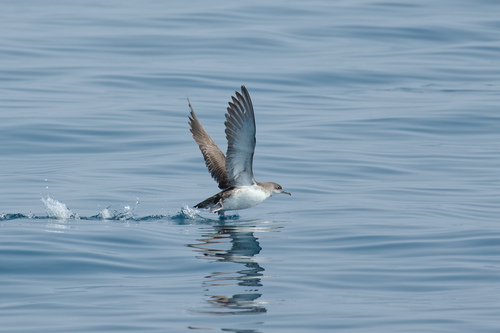 fura-bucho-do-mediterrâneo
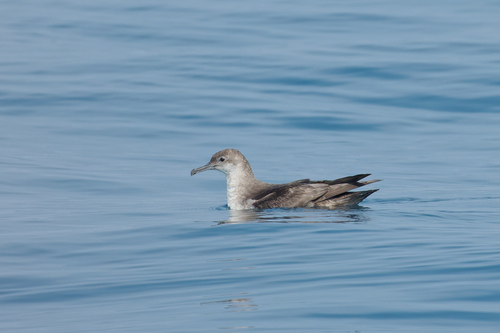 fura-bucho-das-baleares
Em resumo
A marca de campo mais confiável entre o fura-bucho-do-mediterrâneo e o fura-bucho-das-baleares é o contraste em suas partes inferiores: o fura-bucho-do-mediterrâneo apresenta uma parte inferior branca mais limpa e definida, enquanto o fura-bucho-das-baleares parece mais sujo e menos contrastante, com tons acastanhados ou sujos abaixo. Ambas as espécies são fura-buchos de tamanho médio com estilos de voo semelhantes, e suas áreas de distribuição se sobrepõem no Mediterrâneo, tornando-as desafiadoras de separar—especialmente à distância ou em luz fraca. Nenhum padrão de asa específico para a idade ou marca juvenil é notado como diagnóstico entre esses dois, então concentre-se no contraste geral da plumagem e nas sutis diferenças de coloração. A estrutura e o estilo de voo são muito semelhantes, então a separação em campo depende quase inteiramente da análise cuidadosa dos tons e contrastes da plumagem.
Dicas de identificação
- O contraste das partes inferiores é a melhor marca de campo: O fura-bucho-do-mediterrâneo apresenta uma parte inferior muito mais limpa e brilhante, nitidamente dividida das partes superiores escuras. As partes inferiores do fura-bucho-das-baleares são mais sujas, muitas vezes aparecendo acastanhadas ou brancas sujas, com uma borda menos distinta em relação às partes superiores.
- Cor das partes superiores: Ambas são marrons escuras acima, mas o fura-bucho-do-mediterrâneo pode parecer ligeiramente mais escuro e mais uniforme, enquanto o fura-bucho-das-baleares pode parecer um pouco mais pálido ou desbotado, especialmente em plumagem desgastada.
- Face e pescoço: A face e o pescoço do fura-bucho-do-mediterrâneo são frequentemente mais limpos e menos borrados do que os do fura-bucho-das-baleares, que podem apresentar uma aparência mais escurecida ou mais mesclada ao redor da garganta e dos lados da cabeça.
- Sombreamento das flancos e do vent: O fura-bucho-das-baleares frequentemente apresenta sombreamento acastanhado ou sujo ao longo dos flancos e do vent, reduzindo ainda mais o contraste com a barriga. Os flancos e o vent do fura-bucho-do-mediterrâneo são geralmente mais brancos e limpos.
- Aparência em voo ('voando em cruz'): Ambas as espécies exibem a clássica forma de cruz em voo, mas as partes inferiores brancas do fura-bucho-do-mediterrâneo piscam de forma mais distinta quando o pássaro faz uma curva, enquanto a parte inferior do fura-bucho-das-baleares é menos impressionante.
- Sem padrão de asa específico para a idade: Ao contrário de algumas espécies de Puffinus, nem o fura-bucho-do-mediterrâneo nem o fura-bucho-das-baleares possuem uma marca única de asa superior juvenil ou imatura que os separe em voo. Concentre-se no tom e contraste geral para todas as idades.
- Tamanho não é confiável em campo: A ligeira diferença em comprimento e envergadura não é aparente a menos que os pássaros estejam lado a lado, então não confie apenas no tamanho.
- Bico e estrutura: Ambos têm proporções e formas de bico semelhantes; estes não são úteis para separação em campo.
- Bandos mistos e sobreposição de áreas: Esteja ciente de que ambas as espécies podem ocorrer juntas, especialmente no inverno e ao redor das Baleares e do Mediterrâneo central. Existem colônias de reprodução mistas, então o contexto nem sempre é útil.
- Armadilhas de iluminação: Luz fraca ou distância podem obscurecer o contraste das partes inferiores, fazendo com que o fura-bucho-das-baleares pareça mais limpo ou o fura-bucho-do-mediterrâneo mais apagado do que realmente são. Sempre tente avaliar os pássaros em boa luz e de múltiplos ângulos.
- Não confie na voz: Nenhuma diferença vocal distinta é notada para separação em campo.
- Sobreposição molecular e morfológica: Estudos científicos sugerem que essas espécies são extremamente próximas, e alguns indivíduos podem ser impossíveis de separar sem DNA ou medições detalhadas. Aceite que alguns pássaros permanecerão não identificados.
- Resumo para uso em campo: Priorize o contraste das partes inferiores e a limpeza geral da plumagem. Se o pássaro parecer muito branco e nitidamente dividido abaixo, favoreça o fura-bucho-do-mediterrâneo; se parecer acastanhado ou sujo abaixo com menos contraste, favoreça o fura-bucho-das-baleares.
Tamanho
O fura-bucho-do-mediterrâneo é ligeiramente menor, medindo 30–35 cm de comprimento com uma envergadura de 70–84 cm. O fura-bucho-das-baleares é marginalmente maior, com 34–39 cm de comprimento e uma envergadura de 78–90 cm. Em condições de campo, essa diferença de tamanho é sutil e raramente diagnóstica, a menos que os pássaros estejam lado a lado. Ambos são de tamanho médio para o gênero e se sobrepõem consideravelmente em tamanho aparente.
Plumagem
Para todas as idades, a principal diferença é o contraste das partes inferiores: o fura-bucho-do-mediterrâneo tem uma divisão mais marcante entre suas partes superiores marrons escuras e partes inferiores brancas limpas, proporcionando uma aparência nítida e de alto contraste em voo e em repouso. O fura-bucho-das-baleares, em contraste, é marrom acima e branco sujo ou acastanhado abaixo, resultando em uma aparência mais suave e menos nitidamente definida. Essa diferença é consistente em todas as idades e estações, já que nenhum padrão de asa juvenil ou imaturo distinto é descrito para nenhuma das espécies. Ambos mostram o padrão típico de 'voando em cruz' do gênero, mas as partes inferiores brancas do fura-bucho-do-mediterrâneo se destacam mais, enquanto as do fura-bucho-das-baleares parecem mais borradas e menos limpas. Em bandos mistos ou em luz fraca, essa distinção pode ser sutil, mas em boa luz, o fura-bucho-do-mediterrâneo deve parecer visivelmente mais limpo por baixo.
Comportamento
Ambas as espécies exibem o clássico voo de 'corte' dos fura-buchos Puffinus, planando baixo sobre a água com asas rígidas e ligeiramente arqueadas e poucos batimentos de asa, frequentemente inclinando-se de lado a lado. Seu estilo de voo é quase idêntico, e ambos podem ser vistos viajando em bandos soltos ou sozinhos sobre águas abertas. Empoleirados ou na água, têm formas semelhantes e se comportam de maneira semelhante, então o comportamento não é um separador confiável.
Habitat
Ambas as espécies são pelágicas e se sobrepõem no Mediterrâneo central, especialmente no inverno. Elas podem ocorrer juntas em bandos mistos, particularmente ao largo das Ilhas Baleares e das costas do Mediterrâneo central. Existe pelo menos uma colônia de reprodução mista conhecida (Menorca). O habitat e o contexto por si só não separarão de forma confiável, embora o fura-bucho-das-baleares esteja mais estritamente ligado às Ilhas Baleares para reprodução.
fura-bucho-do-mediterrâneo · fura-bucho-das-baleares · Minhas aves difíceis