

Motmot

チチュウカイミズナギドリ 対 ヨーロッパミズナギドリ

Puffinus yelkouan 対 Puffinus mauretanicus

チチュウカイミズナギドリとヨーロッパミズナギドリのクイズ
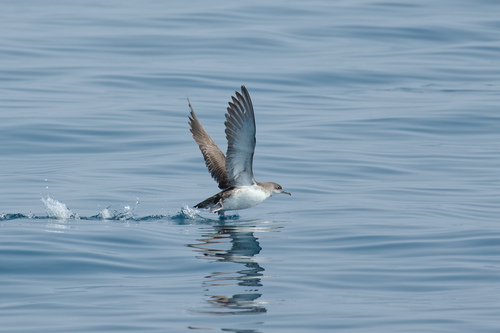
チチュウカイミズナギドリ (Puffinus yelkouan) チチュウカイミズナギドリ
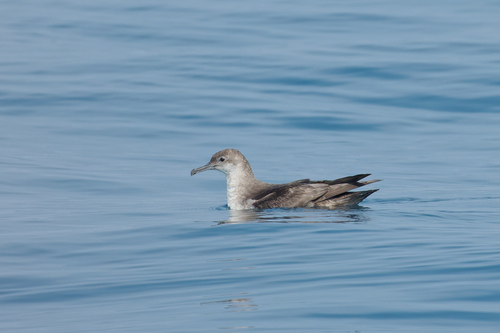
ヨーロッパミズナギドリ (Puffinus mauretanicus) ヨーロッパミズナギドリ

メディア

読み込み中…

要点

イエルコアンミズナギドリとヨーロッパミズナギドリの最も信頼できるフィールドマークは、腹部のコントラストです。イエルコアンは、よりクリーンで明確に定義された白い腹部を示し、ヨーロッパはより汚れた印象で、下部には茶色がかったり汚れたトーンが見られます。両種は中型のミズナギドリで、飛行スタイルは似ており、地中海で分布が重なっているため、特に距離がある場合や光が悪い場合には区別が難しいです。これら二種の間に年齢特有の翼のパターンや幼鳥のマークは診断的なものとしては記載されていないため、全体的な羽毛のコントラストと微妙な色合いの違いに注目してください。構造と飛行の印象は非常に似ているため、フィールドでの区別はほぼ完全に羽毛のトーンとコントラストの注意深い観察に依存します。

識別のコツ

  1. 腹部のコントラストが最良のフィールドマーク: イエルコアンミズナギドリは、暗い上面から明確に分かれた、非常にクリーンで明るい白い腹部を示します。ヨーロッパミズナギドリの腹部は汚れた印象で、しばしば茶色がかったり汚れた白に見え、上面との境界があまり明確ではありません。
  2. 上面の色: 両者は上面が暗い茶色ですが、イエルコアンはやや暗く均一に見えることがあり、ヨーロッパは特に羽毛が擦り切れている場合にやや淡いか、色あせて見えることがあります。
  3. 顔と首: イエルコアンの顔と首は、ヨーロッパよりもクリーンで汚れが少ないことが多く、ヨーロッパは喉や頭の側面にかけてより曇ったり混ざった印象を示すことがあります。
  4. 脇腹と肛門の陰影: ヨーロッパはしばしば脇腹と肛門に茶色がかったり汚れた陰影を示し、腹部とのコントラストをさらに減少させます。イエルコアンの脇腹と肛門は通常、より白くクリーンです。
  5. 飛行時の外観('飛ぶ十字'): 両種は飛行中に典型的な十字形を示しますが、イエルコアンの白い腹部は鳥がバンクする際により明確にフラッシュし、ヨーロッパの腹部はそれほど目立ちません。
  6. 診断的な年齢特有の翼のパターンはなし: 一部のPuffinus種とは異なり、イエルコアンもヨーロッパも、飛行中にそれらを区別する独自の幼鳥または未熟な上翼のマークはありません。すべての年齢に対して全体的なトーンとコントラストに注目してください。
  7. サイズはフィールドで信頼できない: 長さと翼幅のわずかな違いは、鳥が並んでいない限り明らかではないため、サイズだけに頼らないでください。
  8. くちばしと構造: 両者は似たような比率とくちばしの形を持っていますが、これらはフィールドでの区別には役立ちません。
  9. 混合群れと分布の重なり: 両種は冬季やバレアレス諸島および中央地中海周辺で特に一緒に発生することがあるため、注意してください。混合繁殖コロニーが存在するため、文脈が常に役立つわけではありません。
  10. 照明の落とし穴: 光が悪い場合や距離があると、腹部のコントラストが隠れ、ヨーロッパがよりクリーンに見えたり、イエルコアンが実際よりも鈍く見えることがあります。常に良い光の下で、複数の角度から鳥を評価するようにしてください。
  11. 声に頼らないでください: フィールドでの区別のために特有の声の違いは記載されていません。
  12. 分子および形態的な重なり: 科学的研究は、これらの種が非常に密接に関連していることを示唆しており、一部の個体はDNAや詳細な測定なしには区別が不可能な場合があります。一部の鳥は特定できないことを受け入れてください。
  13. フィールドでの使用のための要約: 腹部のコントラストと羽毛の全体的な清潔さを優先してください。鳥が非常に白く、下部が明確に分かれているように見える場合はイエルコアンを、下部が茶色がかっていたり汚れていてコントラストが少ない場合はヨーロッパを選んでください。

大きさ

イエルコアンミズナギドリはやや小さく、長さ30〜35 cm、翼幅70〜84 cmです。ヨーロッパミズナギドリはわずかに大きく、長さ34〜39 cm、翼幅78〜90 cmです。フィールド条件では、このサイズの違いは微妙で、鳥が並んでいない限り診断的ではありません。両者は属において中型であり、見た目のサイズはかなり重なっています。

羽色

すべての年齢において、主要な違いは腹部のコントラストです。イエルコアンミズナギドリは、暗い茶色の上面とクリーンな白い腹部との間により際立った分割を持ち、飛行中や休息中に鮮明で高コントラストの外観を与えます。それに対して、ヨーロッパミズナギドリは上面が茶色で、下部が汚れた白または茶色がかっており、より控えめで明確に定義されていない外観を持っています。この違いは、年齢や季節を通じて一貫しており、いずれの種についても特有の幼鳥または未熟な翼のパターンは記載されていません。両者は属の典型的な「飛ぶ十字」パターンを示しますが、イエルコアンの白い腹部はより目立ち、ヨーロッパの腹部はより汚れた印象を与えます。混合群れや光が悪い場合、この区別は微妙なことがありますが、良い光の下ではイエルコアンは明らかに下部がクリーンに見えるはずです。

行動

両種はPuffinusミズナギドリの典型的な「シアリング」飛行を示し、水面近くを滑空し、翼をまっすぐに保ちながら、数回の翼の動きで左右に揺れます。彼らの飛行の印象はほぼ同じで、両者はオープンウォーター上で緩い群れまたは単独で移動するのを見ることができます。止まっているときや水面にいるとき、彼らは似た形をしており、行動も似ているため、行動は信頼できる区別要因ではありません。

生息環境

両種は外洋性で、特に冬季に中央地中海で重なっています。彼らは混合群れで一緒に発生することがあり、特にバレアレス諸島や中央地中海の海岸で見られます。少なくとも一つの混合繁殖コロニー(メノルカ)が知られています。生息地と文脈だけでは彼らを信頼できるように区別することはできませんが、ヨーロッパは繁殖のためにバレアレス諸島により厳密に結びついています。

より良い説明を送る

比較と同じ項目を使ってください。文章はすぐに公開されます。

The most reliable field mark between Yelkouan and Balearic Shearwaters is the contrast in their underparts: Yelkouan shows a cleaner, more sharply defined white underside, while Balearic appears dingier and less contrasting, with brownish or dirty tones below. Both species are medium-sized shearwaters with similar flight styles, and their ranges overlap in the Mediterranean, making them challenging to separate—especially at a distance or in poor light. No age-specific wing pattern or juvenile mark is noted as diagnostic between these two, so focus on overall plumage contrast and subtle differences in coloration. Structure and flight jizz are very similar, so field separation relies almost entirely on careful scrutiny of plumage tones and contrast.

  1. Underpart contrast is the best field mark: Yelkouan Shearwater shows a much cleaner, brighter white underside, sharply divided from the dark upperparts. Balearic Shearwater's underparts are dingier, often appearing brownish or dirty white, with a less distinct boundary from the upperparts.
  2. Upperpart color: Both are dark brown above, but Yelkouan may appear slightly darker and more uniform, while Balearic can look a bit paler or more washed out, especially in worn plumage.
  3. Face and neck: Yelkouan's face and neck are often cleaner and less smudged than Balearic, which may show a duskier or more blended look around the throat and sides of the head.
  4. Flank and vent shading: Balearic often shows brownish or dirty shading along the flanks and vent, further reducing the contrast with the belly. Yelkouan's flanks and vent are usually whiter and cleaner.
  5. Flight appearance ('flying cross'): Both species display the classic cross shape in flight, but Yelkouan's white underparts flash more distinctly as the bird banks, while Balearic's underside is less striking.
  6. No diagnostic age-specific wing pattern: Unlike some Puffinus species, neither Yelkouan nor Balearic has a unique juvenile or immature upperwing mark that separates them in flight. Focus on overall tone and contrast for all ages.
  7. Size is not reliable in the field: The slight difference in length and wingspan is not apparent unless birds are side by side, so do not rely on size alone.
  8. Bill and structure: Both have similar proportions and bill shapes; these are not useful for separation in the field.
  9. Mixed flocks and range overlap: Be aware that both species can occur together, especially in winter and around the Balearics and central Mediterranean. Mixed breeding colonies exist, so context is not always helpful.
  10. Lighting pitfalls: Poor light or distance can obscure the underpart contrast, making Balearic look cleaner or Yelkouan duller than they really are. Always try to assess birds in good light and from multiple angles.
  11. Do not rely on voice: No distinctive vocal differences are noted for field separation.
  12. Molecular and morphological overlap: Scientific studies suggest these species are extremely closely related, and some individuals may be impossible to separate without DNA or detailed measurements. Accept that some birds will remain unidentified.
  13. Summary for field use: Prioritize underpart contrast and overall cleanliness of the plumage. If the bird looks very white and sharply divided below, favor Yelkouan; if it looks brownish or dirty below with less contrast, favor Balearic.

Yelkouan Shearwater is slightly smaller, measuring 30–35 cm in length with a wingspan of 70–84 cm. Balearic Shearwater is marginally larger at 34–39 cm long and a wingspan of 78–90 cm. In field conditions, this size difference is subtle and rarely diagnostic unless birds are side by side. Both are medium-sized for the genus and overlap considerably in apparent size.

For all ages, the key difference is the underpart contrast: Yelkouan Shearwater has a more striking division between its dark brown upperparts and clean white underparts, giving a crisp, high-contrast look in flight and at rest. Balearic Shearwater, by contrast, is brown above and dirty white or brownish below, resulting in a more muted, less sharply defined appearance. This difference is consistent across ages and seasons, as no distinctive juvenile or immature wing pattern is described for either species. Both show the typical 'flying cross' pattern of the genus, but Yelkouan's white underparts stand out more, while Balearic's look smudgier and less clean. In mixed flocks or poor light, this distinction can be subtle, but in good light, Yelkouan should look noticeably cleaner underneath.

Both species display the classic 'shearing' flight of Puffinus shearwaters, gliding low over the water with stiff, slightly arched wings and few wingbeats, often dipping from side to side. Their flight jizz is nearly identical, and both can be seen traveling in loose flocks or singly over open water. Perched or on the water, they are similarly shaped and behave alike, so behavior is not a reliable separator.

Both species are pelagic and overlap in the central Mediterranean, especially in winter. They may occur together in mixed flocks, particularly off the Balearic Islands and central Mediterranean coasts. There is at least one known mixed breeding colony (Menorca). Habitat and context alone will not reliably separate them, though Balearic is more strictly tied to the Balearic Islands for breeding.

変更を破棄しますか?

保存していない編集があります。今離れると失われます。

チチュウカイミズナギドリ · ヨーロッパミズナギドリ · 苦手な鳥