
felosa-musical vs felosinha-comum
Phylloscopus trochilus versus Phylloscopus collybita
Jogue um quiz com felosa-musical e felosinha-comum
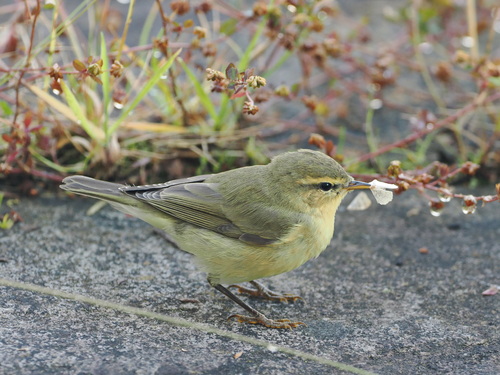 felosa-musical
 felosinha-comum
Em resumo
A marca de campo mais confiável entre a felosa-musical e a felosinha-comum é a cor das pernas: a felosa-musical apresenta pernas amarelo-pálidas, enquanto as da felosinha-comum são sempre marrons escuras a negras. Se você conseguir observar bem as asas, a felosa-musical tem uma projeção primária mais longa (as pontas das penas de voo mais longas se estendem além das tertiais), dando-lhe uma aparência mais elegante; as asas da felosinha-comum parecem mais curtas e arredondadas. A felosa-musical também tende a parecer mais brilhante e amarelada por baixo, especialmente em juvenis, enquanto a felosinha-comum é geralmente mais opaca e marrons. No campo, a estrutura e as sutis diferenças de plumagem são fundamentais, pois ambas as espécies são extremamente semelhantes e se sobrepõem em habitat. A voz é distinta se ouvida: o canto da felosa-musical é um doce assobio descendente, enquanto o da felosinha-comum é um repetitivo “chiff-chaff.”
Dicas de identificação
- Cor das pernas: A felosa-musical sempre tem pernas amarelo-pálidas; as da felosinha-comum são marrons escuras a negras. Esta é a marca de campo mais confiável em todas as idades e estações, mas cuidado com lama ou sombra que podem fazer as pernas pálidas parecerem escuras.
- Projeção primária: Quando empoleirada, a felosa-musical mostra uma longa extensão das primárias além das tertiais (projeção primária longa), dando uma aparência mais elegante e alongada. A projeção primária da felosinha-comum é curta, fazendo a asa parecer mais arredondada e o pássaro mais robusto. Isso é visível em todas as plumagens, mas mais fácil em aves frescas.
- Forma e cor do bico: A felosa-musical tem um bico mais longo e mais claro; o bico da felosinha-comum é mais curto e mais escuro. Útil se visto bem, mas sutil.
- Forma geral (jizz): A felosa-musical parece mais elegante e alongada, com um corpo e cauda mais longos; a felosinha-comum é mais compacta e arredondada.
- Cor da parte inferior: A felosa-musical é branca a amarelada por baixo, muitas vezes bastante amarela em juvenis. A felosinha-comum é branca, às vezes com uma leve lavagem amarelada nas flancos na primavera, mas nunca tão amarela quanto a felosa-musical.
- Tom da parte superior: A felosa-musical é mais verde por cima, especialmente após a muda; a felosinha-comum é mais marrom, especialmente em juvenis e adultos desgastados.
- Supercílios: A sobrancelha pálida da felosa-musical é mais longa e mais distinta; a da felosinha-comum é mais curta e menos contrastante, mas isso é variável e nem sempre confiável.
- Movimento da cauda: A felosinha-comum frequentemente mergulha e abana sua cauda de lado; a felosa-musical não mostra esse comportamento.
- Barras alares: Ambas as espécies não têm barras alares, então a presença de qualquer uma é um sinal de que você tem uma espécie diferente.
- Plumagem juvenil: Os juvenis da felosa-musical são muito mais amarelos por baixo do que os juvenis da felosinha-comum, que são mais marrons por cima e amarelo-brancos por baixo. Após a muda, ambos se tornam mais verdes por cima, mas a felosa-musical permanece mais amarelada por baixo.
- Canto: O canto da felosa-musical é um doce assobio descendente; o da felosinha-comum é um repetitivo “chiff-chaff.” Use esta marca apenas se você estiver confiante no canto, pois cantores mistos podem ocorrer.
- Chamada: A felosa-musical emite um 'hoo-eet' disilábico; a felosinha-comum dá um 'hweet' mais agudo e monossilábico. Isso pode ser sutil e requer prática.
- Habitat: Ambas as espécies se sobrepõem extensivamente em habitat. A felosa-musical é mais provável em bétulas, amieiros e salgueiros com cobertura do solo, mas isso não é diagnóstico.
- Estação: A felosa-musical é uma migrante de longa distância, ausente de grande parte da Europa no inverno; a felosinha-comum inverna no sul e oeste da Europa e pode ser encontrada durante todo o ano em algumas áreas. No início da primavera ou no final do outono, um warbler silencioso é mais provável de ser a felosinha-comum.
- Armadilhas: Luz fraca, lama nas pernas ou plumagem desgastada podem obscurecer marcas-chave. Use uma combinação de características—nunca confie em uma única marca, a menos que seja a cor das pernas vista claramente em boa luz.
Tamanho
A felosa-musical é ligeiramente maior e mais longa no geral (11–12,5 cm) do que a felosinha-comum (10–12 cm), mas a diferença é sutil e raramente diagnóstica no campo. Ambas são pequenos e esguios warblers folhosos, mas a felosa-musical muitas vezes parece mais alongada, em parte devido às suas asas mais longas e projeção primária. O peso se sobrepõe consideravelmente: felosa-musical (7–15 g), felosinha-comum (macho 7–8 g, fêmea 6–7 g), portanto, a massa não é uma marca de campo útil.
Plumagem
- Juvenis e aves de primeiro ano: Os juvenis da felosa-musical são visivelmente mais amarelos por baixo do que os adultos e do que os juvenis da felosinha-comum, que são mais marrons por cima e têm partes inferiores amarelo-brancas. Após a primeira muda pós-juvenil, ambas as espécies tornam-se mais brilhantes e verdes por cima, mas a felosa-musical retém um tom mais amarelado por baixo, enquanto a felosinha-comum é branca a buff nos flancos e na barriga.
- Asas: Ambas as espécies não têm barras alares, mas a felosa-musical tem uma projeção primária mais longa e mais pontuda (visível como uma extensão mais longa das primárias além das tertiais quando empoleirada), enquanto as asas da felosinha-comum são mais curtas e arredondadas. Isso é mais aparente em aves com plumagem fresca na primavera e no verão, mas pode ser visto durante todo o ano com prática.
- Pernas e bico: A felosa-musical tem pernas amarelo-pálidas e um bico mais longo e mais claro; as pernas da felosinha-comum são sempre marrons escuras a negras, e o bico é mais curto e mais escuro. Essas marcas são confiáveis em todas as idades e estações.
- Supercílios: Ambas mostram um supercílios pálido, mas o da felosa-musical é frequentemente mais brilhante e mais distinto, especialmente em plumagem fresca. O supercílios da felosinha-comum é mais curto e menos contrastante.
- Partes inferiores: A felosa-musical é branca a amarelada por baixo, com juvenis especialmente amarelos; a felosinha-comum é branca, às vezes com uma lavagem amarelada nos flancos na primavera, mas geralmente mais opaca e menos amarela no geral.
Comportamento
Ambas as espécies são forrageadoras ativas e inquietas em árvores baixas e arbustos, frequentemente batendo as asas e as caudas. A felosinha-comum é famosa por seu movimento de cauda: um mergulho seguido de um abano lateral, repetido frequentemente. A felosa-musical não mostra esse comportamento de abanar a cauda. Em voo, as asas mais longas da felosa-musical podem fazê-la parecer mais graciosa e menos compacta do que a felosinha-comum, que parece mais robusta e arredondada. Ambas as espécies são comumente vistas flutuando através da folhagem em florestas abertas e matas.
Habitat
A sobreposição de habitat é extensa: ambas se reproduzem em florestas abertas em toda a Europa do Norte e temperada e no Paleártico. A felosa-musical está especialmente associada a habitats de bétulas, amieiros e salgueiros com cobertura do solo, enquanto a felosinha-comum é menos específica, mas também prefere florestas abertas. Durante a migração e no inverno, ambas podem ser encontradas em uma ampla gama de habitats arborizados e arbustivos. O habitat sozinho não é um separador confiável onde ambas ocorrem.
Voz
O canto é o separador mais direto: a felosa-musical canta um doce assobio musical descendente, enquanto o canto da felosinha-comum é um “chiff-chaff” rítmico e repetitivo. A chamada de contato também é diferente: a felosa-musical emite um 'hoo-eet' disilábico, enquanto a chamada da felosinha-comum é um 'hweet' mais agudo e monossilábico. Cantores mistos e híbridos podem ocorrer, mas a maioria dos indivíduos é facilmente separada pela voz se ouvida bem.