
Mosquitero Musical vs Mosquitero Común
Phylloscopus trochilus frente a Phylloscopus collybita
Juega un quiz con Mosquitero Musical y Mosquitero Común
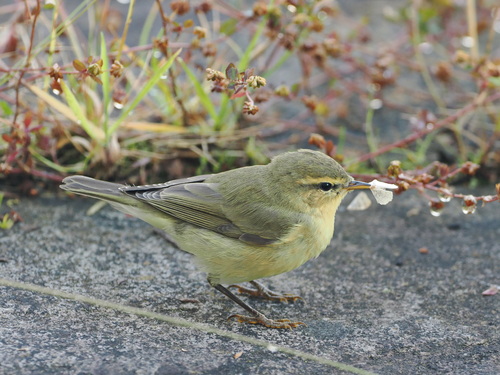 Mosquitero Musical
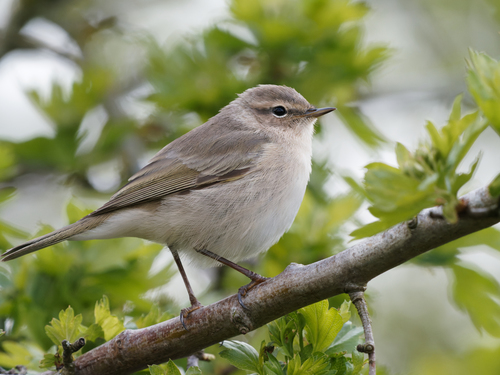 Mosquitero Común
En breve
La marca de campo más confiable entre el Mosquitero Musical y el Mosquitero Común es el color de las patas: el Mosquitero Musical muestra patas de un color amarillo pálido-rosado, mientras que las del Mosquitero Común son siempre de color marrón oscuro a negruzco. Si tienes una buena vista de las alas, el Mosquitero Musical tiene una proyección primaria más larga (las puntas de las plumas de vuelo más largas se extienden más allá de las terciarias), dándole una apariencia más elegante y estilizada; las alas del Mosquitero Común parecen más cortas y redondeadas. El Mosquitero Musical también tiende a verse más brillante y amarillento por debajo, especialmente en los juveniles, mientras que el Mosquitero Común es generalmente más apagado y marrón. En el campo, la estructura y las diferencias sutiles en el plumaje son clave, ya que ambas especies son extremadamente similares y se superponen en hábitat. La voz es distintiva si se escucha: el canto del Mosquitero Musical es un dulce silbido descendente, el del Mosquitero Común es un repetitivo “chiff-chaff.”
Consejos de identificación
- Color de las patas: El Mosquitero Musical siempre tiene patas de un color amarillo pálido-rosado; las del Mosquitero Común son de color marrón oscuro a negruzco. Esta es la marca de campo más confiable en todas las edades y estaciones, pero ten cuidado con el barro o la sombra que pueden hacer que las patas pálidas parezcan oscuras.
- Proyección primaria: Cuando está posado, el Mosquitero Musical muestra una larga extensión de las primarias más allá de las terciarias (proyección primaria larga), dándole un aspecto más estilizado y alargado. La proyección primaria del Mosquitero Común es corta, haciendo que el ala parezca más redondeada y el pájaro más robusto. Esto es visible en todos los plumajes, pero es más fácil de notar en aves frescas.
- Forma y color del pico: El Mosquitero Musical tiene un pico más largo y más claro; el pico del Mosquitero Común es más corto y más oscuro. Útil si se ve bien, pero sutil.
- Forma general (jizz): El Mosquitero Musical parece más elegante y alargado, con un cuerpo y cola más largos; el Mosquitero Común es más compacto y redondeado.
- Color de las partes inferiores: El Mosquitero Musical es de color blanco sucio a amarillento por debajo, a menudo bastante amarillo en juveniles. El Mosquitero Común es de color blanco sucio, a veces con un ligero lavado amarillento en los flancos en primavera, pero nunca tan amarillo como el Mosquitero Musical.
- Tono de las partes superiores: El Mosquitero Musical es más verde por encima, especialmente después de la muda; el Mosquitero Común es más marrón, especialmente en juveniles y adultos desgastados.
- Supercilio: La ceja pálida del Mosquitero Musical es más larga y más distintiva; la del Mosquitero Común es más corta y menos contrastante, pero esto es variable y no siempre confiable.
- Movimiento de la cola: El Mosquitero Común frecuentemente baja y mueve su cola de lado a lado; el Mosquitero Musical no muestra este comportamiento.
- Barras alares: Ambas especies carecen de barras alares, por lo que la presencia de alguna es un signo de que tienes una especie diferente.
- Plumaje juvenil: Los juveniles del Mosquitero Musical son mucho más amarillos por debajo que los juveniles del Mosquitero Común, que son más marrones por encima y amarillentos-blancos por debajo. Después de la muda, ambos se vuelven más verdes por encima, pero el Mosquitero Musical sigue siendo más amarillo por debajo.
- Canto: El canto del Mosquitero Musical es un dulce silbido descendente; el del Mosquitero Común es un repetitivo “chiff-chaff.” Solo usa esta marca si estás seguro del canto, ya que pueden ocurrir cantores mixtos.
- Llamada: El Mosquitero Musical emite un 'hoo-eet' disilábico; el Mosquitero Común emite un 'hweet' más agudo y monosilábico. Esto puede ser sutil y requiere práctica.
- Hábitat: Ambas especies se superponen extensamente en hábitat. El Mosquitero Musical es más probable que se encuentre en abedules, alisos y sauces con cobertura del suelo, pero esto no es diagnóstico.
- Estación: El Mosquitero Musical es un migrante de larga distancia, ausente de gran parte de Europa en invierno; el Mosquitero Común inverna en el sur y oeste de Europa y se puede encontrar durante todo el año en algunas áreas. En la primavera temprana o en el otoño tardío, un warbler silencioso es más probable que sea un Mosquitero Común.
- Trampas: La mala luz, el barro en las patas o el plumaje desgastado pueden oscurecer marcas clave. Usa una combinación de características; nunca confíes en una sola marca a menos que sea el color de las patas visto claramente en buena luz.
Tamaño
El Mosquitero Musical es ligeramente más grande y más largo en general (11–12.5 cm) que el Mosquitero Común (10–12 cm), pero la diferencia es sutil y rara vez diagnóstica en el campo. Ambos son pequeños y delgados warblers de hojas, pero el Mosquitero Musical a menudo parece más alargado, en parte debido a sus alas más largas y proyección primaria. El peso se superpone considerablemente: Mosquitero Musical (7–15 g), Mosquitero Común (macho 7–8 g, hembra 6–7 g), por lo que la masa no es una marca de campo útil.
Plumaje
- Aves juveniles y de primer año: Los juveniles del Mosquitero Musical son notablemente más amarillos por debajo que los adultos y que los juveniles del Mosquitero Común, que son más marrones por encima y tienen partes inferiores amarillento-blancas. Después de su primera muda post-juvenil, ambas especies se vuelven más brillantes y verdes por encima, pero el Mosquitero Musical retiene un tono más amarillento por debajo, mientras que el Mosquitero Común es de color blanco sucio a marrón claro en los flancos y el vientre.
- Alas: Ambas especies carecen de barras alares, pero el Mosquitero Musical tiene una proyección primaria más larga y más puntiaguda (visible como una extensión más larga de las primarias más allá de las terciarias cuando está posado), mientras que las alas del Mosquitero Común son más cortas y redondeadas. Esto es más evidente en aves con plumaje fresco en primavera y verano, pero se puede ver durante todo el año con práctica.
- Patas y pico: El Mosquitero Musical tiene patas de un color amarillo pálido-rosado y un pico más largo y más claro; las patas del Mosquitero Común son siempre de color marrón oscuro a negruzco, y el pico es más corto y más oscuro. Estas marcas son confiables en todas las edades y estaciones.
- Supercilio: Ambas especies muestran un supercilio pálido, pero el del Mosquitero Musical es a menudo más brillante y más distintivo, especialmente en plumaje fresco. El supercilio del Mosquitero Común es más corto y menos contrastante.
- Partes inferiores: El Mosquitero Musical es de color blanco sucio a amarillento por debajo, con juveniles especialmente amarillos; el Mosquitero Común es de color blanco sucio, a veces con un lavado amarillento en los flancos en primavera, pero generalmente más apagado y menos amarillo en general.
Comportamiento
Ambas especies son forrajeadores activos e inquietos en árboles bajos y arbustos, a menudo moviendo alas y colas. El Mosquitero Común es famoso por su movimiento de cola: un descenso seguido de un movimiento lateral, repetido frecuentemente. El Mosquitero Musical no muestra este comportamiento de mover la cola. En vuelo, las alas más largas del Mosquitero Musical pueden hacer que parezca más elegante y menos compacto que el Mosquitero Común, que parece más robusto y redondeado. Ambas especies se ven comúnmente revoloteando a través del follaje en bosques abiertos y matorrales.
Hábitat
La superposición de hábitat es extensa: ambas crían en bosques abiertos en toda Europa del norte y templada y el Paleártico. El Mosquitero Musical está especialmente asociado con hábitats de abedul, aliso y sauce con cobertura del suelo, mientras que el Mosquitero Común es menos específico pero también prefiere bosques abiertos. En migración e invierno, ambos se pueden encontrar en una amplia gama de hábitats boscosos y arbustivos. El hábitat por sí solo no es un separador confiable donde ambas ocurren.
Voz
El canto es el separador más directo: el Mosquitero Musical canta un dulce silbido musical descendente, mientras que el canto del Mosquitero Común es un “chiff-chaff” rítmico y repetitivo. La llamada de contacto también es diferente: el Mosquitero Musical emite un 'hoo-eet' disilábico, mientras que la llamada del Mosquitero Común es un 'hweet' más agudo y monosilábico. Pueden ocurrir cantores mixtos e híbridos, pero la mayoría de los individuos se pueden separar fácilmente por la voz si se escuchan bien.