

tordo-de-white vs scaly thrush
Zoothera aurea versus Zoothera dauma
Jogue um quiz com tordo-de-white e scaly thrush
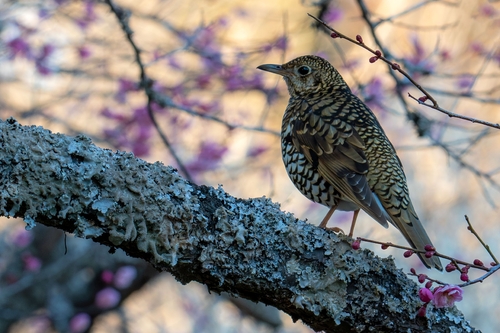 tordo-de-white
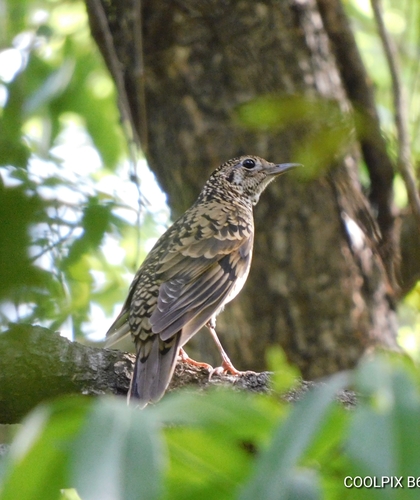 scaly thrush
Em resumo
O tordo-de-white e o scaly thrush são extremamente semelhantes em campo, ambos apresentando escamas pretas ousadas em um fundo pálido e uma faixa preta diagnóstica na parte inferior branca da asa em voo. Este padrão de asa inferior é compartilhado por ambas as espécies (e outras em Zoothera), portanto, não pode ser usado para separá-las. Ambos os sexos e todas as idades são semelhantes, e seus cantos também são quase idênticos. Na prática, a separação confiável em campo não é possível com base apenas na plumagem ou estrutura; a distribuição, habitat e diferenças sutis na abundância local podem ser mais úteis, mas mesmo essas podem se sobrepor onde suas distribuições se encontram. A maioria das confusões em quizzes se deve à falta de diferenças visuais claras, especialmente em voo ou com aves imaturas.
Dicas de identificação
- Padrão da asa inferior: Ambas as espécies apresentam uma faixa preta ousada na parte inferior branca da asa em voo, que é diagnóstica para o gênero, mas não para separar essas duas espécies. Esta marca se aplica a todas as idades e sexos.
- Escamação do corpo: Ambas têm escamas pretas pesadas em um fundo branco pálido ou amarelado, sem diferenças confiáveis na forma, tamanho ou densidade das escamas.
- Plumagem juvenil/imatura: Não há diferenças documentadas no padrão da asa superior ou do corpo entre as duas espécies; ambas são fortemente escaladas e mostram o mesmo padrão de asa inferior em voo.
- Dimorfismo sexual: Ambas as espécies são sexualmente monomórficas; machos e fêmeas são semelhantes.
- Tamanho e estrutura: Ambas são grandes tordos (27–31 cm), com proporções, forma do bico e comprimento da cauda semelhantes. Nenhuma diferença estrutural é útil para separação em campo.
- Canto e chamadas: Ambas cantam um assobio alto e mecânico com longas pausas, e não há diferenças descritas nas vocalizações.
- Estilo de voo: Ambas as espécies levantam do chão com um voo forte e direto, mostrando o padrão da asa inferior. Nenhuma diferença no estilo de voo é descrita.
- Habitat e distribuição: Onde suas distribuições se sobrepõem, o habitat não é um separador confiável. O tordo-de-white é mais migratório, enquanto o scaly thrush é mais residente ou um migrante de curta distância, mas ambos ocorrem em habitats florestais semelhantes.
- Confusão de subespécies: Algumas subespécies de scaly thrush (por exemplo, Z. imbricata, Z. neilgherriensis) são mais distintas, mas as formas nominais de ambas as espécies não são separáveis por plumagem ou estrutura.
- Armadilhas: A maioria dos guias de campo e fontes concorda que essas duas espécies não podem ser separadas de forma confiável por marcas visuais em áreas de sobreposição. Concentre-se na distribuição, estação e abundância local para melhores palpites, mas aceite que alguns indivíduos permanecerão não identificados.
- Contexto do quiz: Se você receber uma foto ou descrição de um típico tordo Zoothera escalado com uma faixa preta na asa inferior, e nenhuma distribuição ou contexto for fornecido, geralmente não é possível atribuí-lo com confiança ao tordo-de-white ou ao scaly thrush.
- Conselho da comunidade: Observadores experientes muitas vezes confiam na localização e na data em vez de marcas de campo para atribuir registros dessas espécies, especialmente em regiões onde ambas podem ocorrer.
- Quando deixar não identificado: Se você encontrar um grande tordo escalado com uma faixa preta na asa inferior e nenhuma característica ou contexto distintivo, é melhor registrar como Zoothera sp. ou "complexo Tordo-de-white/Scaly Thrush" em vez de adivinhar.
- Diferenças sutis em subespécies: Se você estiver no Sri Lanka, sudoeste da Índia ou nas Ilhas Amami, procure as formas locais distintas do scaly thrush, que podem ser separáveis do tordo-de-white por tamanho, bico ou cor das partes inferiores—mas não na área central das formas nominais.
- Resumo: Na maioria das situações de campo, especialmente com aves imaturas ou em voo, não há diferenças visuais confiáveis entre o tordo-de-white e o scaly thrush. Use a distribuição, estação e contexto, e esteja preparado para deixar algumas aves não identificadas.
Tamanho
Tanto o tordo-de-white quanto o scaly thrush são grandes tordos, medindo 27–31 cm de comprimento de acordo com [wikipedia]. Não há diferença significativa de tamanho ou estrutura entre as duas espécies que possa ser usada para identificação em campo.
Plumagem
Ambas as espécies têm plumagem muito semelhante em todas as idades e sexos: escamação preta ousada em um fundo branco pálido ou amarelado, com uma faixa preta marcante na parte inferior branca da asa visível em voo. Este padrão de asa inferior não é exclusivo de nenhuma das espécies, pois é compartilhado pela maioria dos tordos Zoothera, incluindo tanto o tordo-de-white quanto o scaly. Não há diferenças documentadas na plumagem da asa superior ou do corpo juvenil, de primeiro inverno ou adulta que permitam separação em campo. Subespécies de scaly thrush (como Z. imbricata e Z. neilgherriensis) podem mostrar características mais distintas, mas as formas nominais de tordo-de-white e scaly são essencialmente indistinguíveis apenas pela plumagem.
Comportamento
Nenhuma diferença comportamental é notada entre o tordo-de-white e o scaly thrush que seja útil para identificação em campo. Ambas as espécies são tordos tímidos que se alimentam no chão e frequentemente levantam com um voo forte e direto, mostrando o padrão da asa inferior.
Habitat
A sobreposição de habitat pode ocorrer, mas o tordo-de-white é mais provável de ser encontrado como migrante ou visitante de inverno em florestas de planície e encosta do Leste e Sudeste Asiático, enquanto o scaly thrush (no sentido estrito) é mais residente ou um migrante altitudinal de curta distância nos Himalaias, sudoeste da China e norte da Tailândia. No entanto, ambos podem ser encontrados em florestas densas e úmidas, e o habitat sozinho não é um separador confiável onde suas distribuições se sobrepõem.
Voz
O canto de ambas as espécies é descrito como um assobio mecânico alto e que se propaga longe, com pausas de 5–10 segundos entre cada frase de um segundo ("twee...tuuu....tuuu....tuuu"). Não há diferenças notadas no canto ou na chamada que possam ser usadas para separá-las em campo.