

Tordo dorato vs Scaly Thrush
Zoothera aurea contro Zoothera dauma
Fai un quiz con Tordo dorato e Scaly Thrush
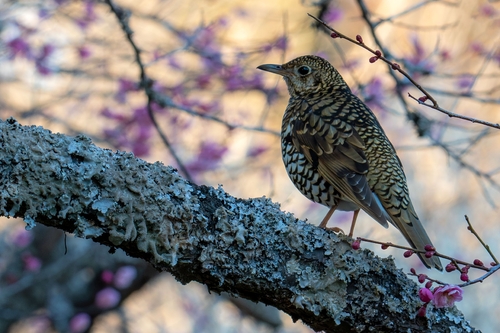 Tordo dorato
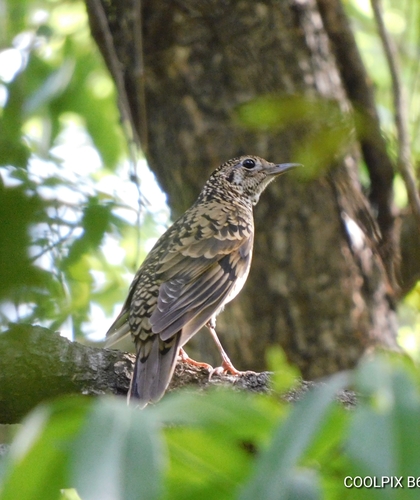 Scaly Thrush
In breve
Il Tordo dorato e il Scaly Thrush sono estremamente simili sul campo, entrambi mostrano una marcatura nera audace su uno sfondo chiaro e una banda nera diagnostica sulla parte inferiore bianca in volo. Questo schema della parte inferiore è condiviso da entrambe le specie (e altre in Zoothera), quindi non può essere utilizzato per separarle. Entrambi i sessi e tutte le età sono simili, e i loro canti sono altrettanto quasi identici. In pratica, la separazione affidabile sul campo non è possibile basandosi solo sul piumaggio o sulla struttura; l'areale, l'habitat e le sottili differenze nell'abbondanza locale possono essere più utili, ma anche queste possono sovrapporsi dove si incontrano le loro distribuzioni. La maggior parte delle confusioni nei quiz è dovuta alla mancanza di chiare differenze visive, specialmente in volo o con uccelli immaturi.
Consigli di identificazione
- Schema della parte inferiore: Entrambe le specie mostrano una banda nera audace su una parte inferiore bianca in volo, che è diagnostica per il genere ma non per separare queste due specie. Questo segno si applica a tutte le età e sessi.
- Marcatura del corpo: Entrambi hanno una marcatura nera pesante su uno sfondo bianco pallido o giallastro, senza differenze affidabili nella forma, dimensione o densità della marcatura.
- Piumaggio giovanile/immaturo: Non ci sono differenze documentate nel piumaggio della parte superiore o nel modello del corpo tra le due specie; entrambe sono pesantemente marcate e mostrano lo stesso schema della parte inferiore in volo.
- Dimorfismo sessuale: Entrambe le specie sono sessualmente monomorfiche; maschi e femmine si assomigliano.
- Dimensione e struttura: Entrambi sono grandi tordi (27–31 cm), con proporzioni, forma del becco e lunghezza della coda simili. Nessuna differenza strutturale è utile per la separazione sul campo.
- Canto e richiami: Entrambi cantano un fischio forte e meccanico con lunghe pause, e non ci sono differenze descritte nelle vocalizzazioni.
- Stile di volo: Entrambe le specie si alzano da terra con un volo forte e diretto, mostrando il modello della parte inferiore. Non viene descritta alcuna differenza nel modo di volare.
- Habitat e areale: Dove i loro areali si sovrappongono, l'habitat non è un separatore affidabile. Il Tordo dorato è più migratorio, mentre il Scaly Thrush è più residente o un migrante di breve distanza, ma entrambi si trovano in habitat forestali simili.
- Confusione tra sottospecie: Alcune sottospecie di Scaly Thrush (ad es., Z. imbricata, Z. neilgherriensis) sono più distintive, ma le forme nominate di entrambe le specie non sono separabili per piumaggio o struttura.
- Insidie: La maggior parte delle guide sul campo e delle fonti concordano sul fatto che queste due specie non possono essere separati in modo affidabile da segni visivi sul campo nelle aree di sovrapposizione. Concentrati su areale, stagione e abbondanza locale per le migliori ipotesi, ma accetta che alcuni individui rimarranno non identificati.
- Contesto del quiz: Se ti viene presentata una foto o una descrizione di un tipico tordo Zoothera con marcatura nera sulla parte inferiore, e non viene fornito alcun areale o contesto, generalmente non è possibile assegnarlo con sicurezza al Tordo dorato o al Scaly Thrush.
- Consigli della comunità: Gli uccellatori esperti spesso si basano sulla posizione e sulla data piuttosto che sui segni sul campo per assegnare registrazioni di queste specie, specialmente in regioni dove entrambe possono verificarsi.
- Quando lasciare non identificato: Se incontri un grande tordo marcato con una banda nera sulla parte inferiore e senza caratteristiche distintive o contesto, è meglio registrarlo come Zoothera sp. o "complesso Tordo dorato/Scaly Thrush" piuttosto che indovinare.
- Sottili differenze nelle sottospecie: Se ti trovi in Sri Lanka, nel sud-ovest dell'India o nelle Isole Amami, cerca le forme locali distintive del Scaly Thrush, che possono essere separabili dal Tordo dorato per dimensione, becco o colore della parte inferiore—ma non nel range principale delle forme nominate.
- Riepilogo: Nella maggior parte delle situazioni sul campo, specialmente con uccelli immaturi o in volo, non ci sono differenze visive affidabili tra il Tordo dorato e il Scaly Thrush. Usa areale, stagione e contesto, e preparati a lasciare alcuni uccelli non identificati.
Taglia
Sia il Tordo dorato che il Scaly Thrush sono grandi tordi, misurando 27–31 cm di lunghezza secondo [wikipedia]. Non ci sono differenze significative di dimensione o struttura tra le due specie che possano essere utilizzate per l'identificazione sul campo.
Piumaggio
Entrambe le specie hanno un piumaggio molto simile a tutte le età e sessi: marcatura nera audace su uno sfondo bianco pallido o giallastro, con una striking banda nera sulla parte inferiore bianca visibile in volo. Questo schema della parte inferiore non è unico per nessuna delle due specie, poiché è condiviso dalla maggior parte dei tordi Zoothera, inclusi sia il Tordo dorato che il Scaly. Non ci sono differenze documentate nel piumaggio della parte superiore o del corpo giovanile, di primo inverno o adulto che consentano la separazione sul campo. Le sottospecie di Scaly Thrush (come Z. imbricata e Z. neilgherriensis) possono mostrare caratteristiche più distintive, ma le forme nominate di Tordo dorato e Scaly sono essenzialmente indistinguibili solo per piumaggio.
Comportamento
Non vengono notate differenze comportamentali tra il Tordo dorato e il Scaly Thrush che siano utili per l'identificazione sul campo. Entrambe le specie sono tordi timidi che si nutrono a terra e spesso si alzano con un volo forte e diretto, mostrando il modello della parte inferiore.
Habitat
Può verificarsi sovrapposizione degli habitat, ma il Tordo dorato è più probabile che venga trovato come migrante o visitatore invernale nelle foreste di pianura e di collina dell'Asia orientale e sudorientale, mentre il Scaly Thrush (in senso stretto) è più residente o un migrante altitudinale di breve distanza nell'Himalaya, nel sud-ovest della Cina e nel nord della Thailandia. Tuttavia, entrambi possono essere trovati in foreste dense e umide, e l'habitat da solo non è un separatore affidabile dove i loro areali si sovrappongono.
Voce
Il canto di entrambe le specie è descritto come un fischio forte e meccanico, con pause di 5–10 secondi tra ciascuna frase di un secondo ("twee...tuuu....tuuu....tuuu"). Non ci sono differenze notate nel canto o nel richiamo che possano essere utilizzate per separarli sul campo.