

gaivina-dos-pauis vs trinta-réis-negro-de-asa-branca
Chlidonias hybrida versus Chlidonias leucopterus
Jogue um quiz com gaivina-dos-pauis e trinta-réis-negro-de-asa-branca
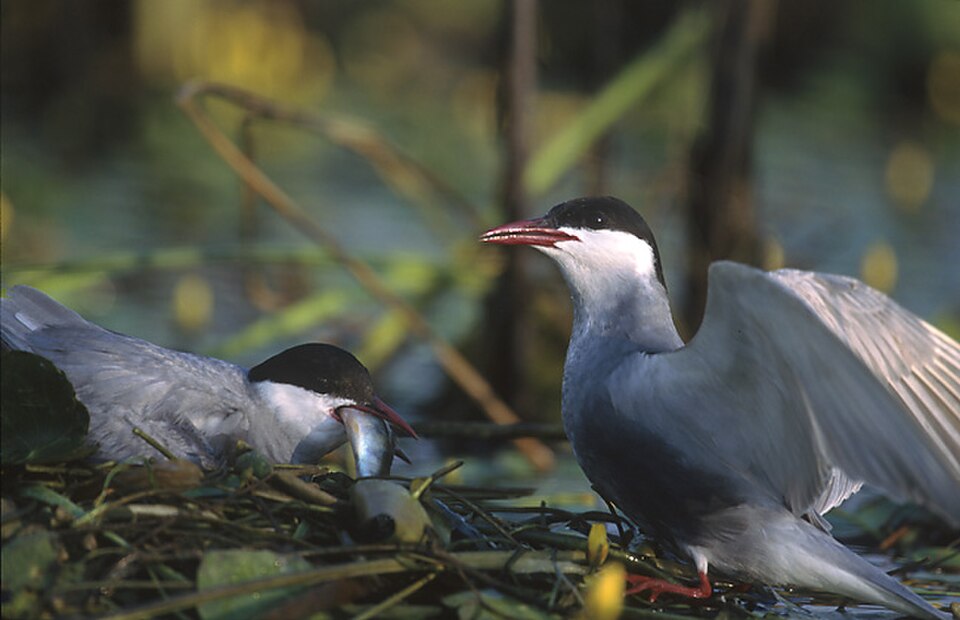 gaivina-dos-pauis
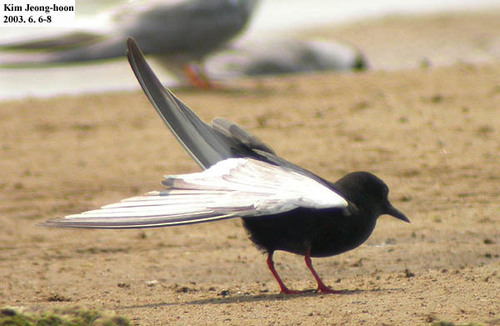 trinta-réis-negro-de-asa-branca
Em resumo
Os juvenis e os trinta-réis-dos-pauis de primeiro inverno e os trinta-réis-negro-de-asa-branca podem ser difíceis de separar, mas a marca de campo mais confiável é o padrão da asa superior e do manto: o juvenil trinta-réis-dos-pauis apresenta um dorso escamoso e ruivo com bordas amplas em tom de palha, enquanto o juvenil trinta-réis-negro-de-asa-branca tem um manto 'sela' marrom escuro isolado por um claro rabo e colar brancos. Nos adultos, o trinta-réis-dos-pauis em plumagem de reprodução é mais escuro acima e abaixo, com bochechas brancas e um colar menos definido, enquanto o trinta-réis-negro-de-asa-branca é strikingly black abaixo com asas e rabo brancos. Estruturalmente, o trinta-réis-dos-pauis tem um bico mais longo e forte e uma cauda mais bifurcada, enquanto o trinta-réis-negro-de-asa-branca tem um bico mais curto e robusto e uma cauda mais quadrada. Ambas as espécies se sobrepõem em habitat e têm tamanho semelhante, mas a atenção cuidadosa aos padrões de manto, rabo e colar—especialmente em voo—resolverá a maioria das confusões.
Dicas de identificação
- Manto e rabo de juvenil/primeiro inverno: O juvenil trinta-réis-dos-pauis apresenta um dorso escamoso e ruivo com bordas amplas em tom de palha no manto e nas escapulares, e um rabo cinza pálido. O juvenil trinta-réis-negro-de-asa-branca tem um manto 'sela' marrom escuro isolado por um claro rabo e colar brancos. Esta é a marca mais confiável em voo ou empoleirado.
- Contraste do colar e rabo (todas as idades): O trinta-réis-negro-de-asa-branca sempre apresenta um colar e rabo brancos amplos e claros, isolando o manto escuro. O colar do trinta-réis-dos-pauis é menos definido, e o branco na nuca pode ser incompleto ou difuso.
- Formato da cauda: O trinta-réis-dos-pauis tem uma cauda curta e com aparência bifurcada; a cauda do trinta-réis-negro-de-asa-branca é mais quadrada, especialmente evidente em juvenis.
- Estrutura do bico: O bico do trinta-réis-dos-pauis é mais longo e robusto (machos 29–34 mm, fêmeas 25–27 mm), com um gonys pronunciado; o bico do trinta-réis-negro-de-asa-branca é curto, robusto e claramente mais curto que a cabeça (22–25 mm). Isso é melhor visto a curta distância.
- Partes inferiores de adultos em reprodução: O trinta-réis-dos-pauis é cinza escuro acima e abaixo, com bochechas brancas e bico/pernas vermelhas. O trinta-réis-negro-de-asa-branca é preto na cabeça, pescoço e barriga, com asas e rabo brancos—uma aparência muito mais contrastante.
- Padrão de bochecha e coberturas auriculares: O trinta-réis-dos-pauis tem bochechas brancas com coberturas auriculares pretas unidas à parte de trás da cabeça preta, formando uma faixa em forma de C. O trinta-réis-negro-de-asa-branca tem uma cabeça preta com uma mancha triangular escura à frente do olho e um colar branco.
- Padrão da cabeça no inverno: Ambas as espécies desenvolvem testas brancas e plumagem mais clara, mas a coroa e a parte de trás da cabeça do trinta-réis-dos-pauis são salpicadas de branco, enquanto o trinta-réis-negro-de-asa-branca retém mais penas escuras nas coberturas da asa inferior e na coroa, e o colar permanece amplo e branco.
- Cor das pernas: Ambas as espécies têm pernas vermelhas no verão, mas isso não é um separador forte.
- Comportamento em voo: O trinta-réis-dos-pauis pode lembrar o trinta-réis comum ou ártico em voo devido ao seu tamanho, boné preto e bico forte, mas a cauda curta e bifurcada e a plumagem cinza escura geral são distintas. O voo do trinta-réis-negro-de-asa-branca é mais raso e lento, com asas e rabo brancos se destacando.
- Cor do rosto em juvenis: O rosto do juvenil trinta-réis-negro-de-asa-branca é tingido de amarelo, o que pode ser uma marca sutil, mas útil.
- Padrão da asa inferior: O trinta-réis-negro-de-asa-branca retém coberturas da asa inferior escuras na plumagem não reprodutiva; o trinta-réis-dos-pauis não apresenta essa característica.
- Bordas das penas do manto: O juvenil trinta-réis-dos-pauis tem bordas amplas em tom de palha e frequentemente barras ou centros subterminais nas penas do manto; as penas do manto do trinta-réis-negro-de-asa-branca têm pontas estreitas em tom de marrom claro.
- Cor do bico: Ambas as espécies têm bicos escuros, mas o do trinta-réis-dos-pauis é mais longo e mais pontudo, especialmente nos machos.
- Voz: Apenas o chamado 'krekk' do trinta-réis-dos-pauis é descrito; não é um separador forte, a menos que ouvido claramente.
- Contexto: Ambas as espécies podem ocorrer juntas, então não confie apenas no habitat ou na composição do bando.
Tamanho
O trinta-réis-dos-pauis é ligeiramente mais pesado (massa corporal cerca de 84 g [wikidata]), mas ambas as espécies são semelhantes em tamanho e forma geral. O trinta-réis-dos-pauis tem um bico mais longo e robusto (machos 29–34 mm, fêmeas 25–27 mm), enquanto o bico do trinta-réis-negro-de-asa-branca é claramente mais curto e robusto (22–25 mm, mais curto que a cabeça) [wikipedia]. A forma da cauda também difere: a cauda do trinta-réis-dos-pauis é curta e bifurcada, enquanto a cauda do trinta-réis-negro-de-asa-branca é mais quadrada, especialmente em juvenis.
Plumagem
- Juvenil/Primeiro inverno:
- Trinta-réis-dos-pauis: O dorso e as escapulares são marrons escuros com bordas amplas em tom de palha e frequentemente barras ou centros subterminais em tom de palha, dando uma aparência escamosa e ruiva. O manto pode mostrar algumas penas cinzas novas no início do outono. O rabo é sempre cinza pálido. As bochechas são brancas, e a coroa é salpicada de branco; a parte de trás da cabeça é mais uniformemente escura.
- Trinta-réis-negro-de-asa-branca: O manto forma uma 'sela' marrom escuro isolada por um claro rabo e colar brancos. As penas do manto têm pontas estreitas em tom de marrom claro. A cauda é quase branca e parece mais quadrada. A cabeça apresenta uma mancha triangular escura à frente do olho, e o rosto é tingido de amarelo.
- Adulto em reprodução:
- Trinta-réis-dos-pauis: Cinza escuro acima e abaixo, com bochechas brancas, um colar menos definido e pernas e bico vermelhos. O boné preto se estende até as coberturas auriculares, formando uma faixa em forma de C. A cauda é curta e bifurcada.
- Trinta-réis-negro-de-asa-branca: Cabeça, pescoço e barriga pretos; asas e rabo brancos; dorso é muito escuro. O bico é curto e preto, as pernas são curtas e vermelhas. O colar é amplo e branco, isolando o manto escuro.
- Não reprodutivo/inverno:
- Ambas as espécies desenvolvem testas brancas e plumagem corporal mais clara. A coroa e a parte de trás da cabeça do trinta-réis-dos-pauis são salpicadas de branco; o trinta-réis-negro-de-asa-branca retém algumas penas escuras nas coberturas da asa inferior e na coroa, mas o colar permanece amplo e branco, e o rabo continua cinza pálido.
Comportamento
Ambas as espécies são trinta-réis de pântano e se alimentam principalmente voando lentamente sobre a água para pegar insetos e pequenos peixes da superfície, em vez de mergulhar. O voo do trinta-réis-negro-de-asa-branca é descrito como raso e lento. Ambas as espécies se reproduzem em colônias, muitas vezes em habitats úmidos semelhantes, e podem ser vistas forrageando juntas durante a migração ou em bandos mistos.
Habitat
Ambas as espécies estão intimamente associadas a áreas úmidas de água doce, pântanos e lagos na Europa, Ásia, África e Austrália [wikipedia]. Elas frequentemente se sobrepõem em áreas de reprodução e invernada, então o habitat sozinho não é um separador confiável. O trinta-réis-dos-pauis pode ser mais propenso a se reproduzir entre as gaivotas-de-capuz-escuro, mas isso não é uma marca de campo forte.
Voz
O trinta-réis-dos-pauis emite um chamado característico 'krekk'. Nenhuma vocalização distinta é descrita para o trinta-réis-negro-de-asa-branca nas fontes, então a voz não é um separador confiável no campo.
gaivina-dos-pauis · trinta-réis-negro-de-asa-branca · Minhas aves difíceis