

toutinegra-de-bigodes-ocidental vs toutinegra-da-sardenha
Curruca iberiae versus Curruca sarda
Jogue um quiz com toutinegra-de-bigodes-ocidental e toutinegra-da-sardenha
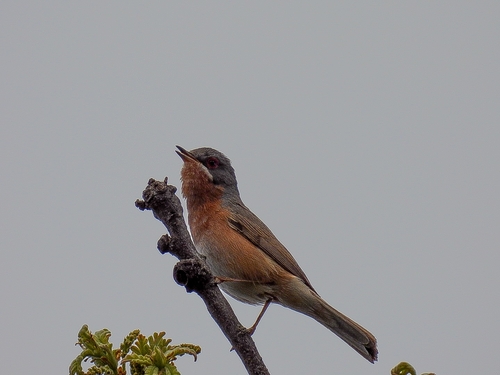 toutinegra-de-bigodes-ocidental
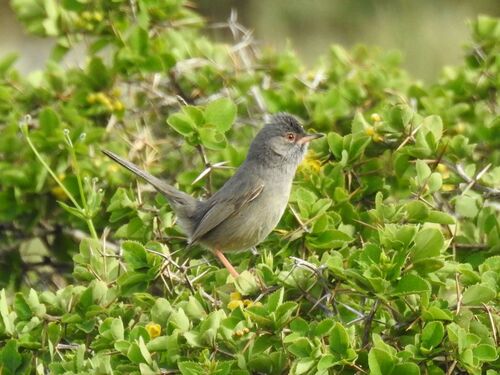 toutinegra-da-sardenha
Em resumo
A maneira mais confiável de separar a toutinegra-de-bigodes-ocidental da toutinegra-da-sardenha é pela cor das partes inferiores: os machos adultos da toutinegra-de-bigodes-ocidental apresentam partes inferiores vermelho-tijolo e listras malares brancas, enquanto a toutinegra-da-sardenha é uniformemente cinza embaixo, sem tonalidade avermelhada. Fêmeas e imaturos são mais complicados, mas a toutinegra-da-sardenha é sempre cinza embaixo, enquanto as fêmeas da toutinegra-de-bigodes-ocidental são marrons em cima com um tom rosado ou esbranquiçado embaixo. A toutinegra-da-sardenha também possui íris vermelha e pernas em adultos, enquanto a cor dos olhos da toutinegra-de-bigodes-ocidental não é notada como distintiva. Ambas as espécies são pequenas, com caudas longas e estrutura geral semelhante, além de uma canção rápida e ruidosa, portanto, atenção cuidadosa à plumagem e à cor das partes moles é essencial.
Dicas de identificação
- Partes inferiores do macho adulto: A marca de campo mais direta é a cor das partes inferiores. Os machos da toutinegra-de-bigodes-ocidental apresentam partes inferiores vermelho-tijolo, enquanto os machos da toutinegra-da-sardenha são uniformemente cinzas embaixo. Isso é diagnóstico na primavera e no início do verão.
- Listras malares brancas: O macho adulto da toutinegra-de-bigodes-ocidental tem marcas brancas proeminentes de 'bigode', que a toutinegra-da-sardenha não possui. Procure por essas marcas em aves empoleiradas ou em boa luz.
- Cor da íris e das pernas: Os adultos da toutinegra-da-sardenha têm íris vermelha e pernas vermelhas, que são visíveis a curta distância ou em fotografias. A toutinegra-de-bigodes-ocidental não tem íris ou pernas vermelhas; isso é especialmente útil se a cor das partes inferiores estiver obscurecida.
- Partes inferiores de fêmeas/imaturos: A fêmea da toutinegra-de-bigodes-ocidental é marrom em cima com um tom rosado ou esbranquiçado embaixo. A toutinegra-da-sardenha (incluindo imaturos) é sempre cinza embaixo, com uma garganta mais clara, mas sem tons rosados ou vermelho-tijolo. Isso é sutil, mas pode ser visto em boa luz.
- Cor da cabeça e das costas: Os machos da toutinegra-de-bigodes-ocidental têm costas e cabeça cinzas, contrastando com as partes inferiores vermelho-tijolo. A toutinegra-da-sardenha é cinza tanto em cima quanto embaixo, sem forte contraste.
- Testa e lore: Os machos da toutinegra-da-sardenha mostram manchas mais escuras na testa e entre o olho e o bico, que não estão presentes na toutinegra-de-bigodes-ocidental.
- Canção: Ambas as espécies têm uma canção rápida e ruidosa, portanto, não confie nas vocalizações para separação.
- Estrutura: Ambas são pequenas, com caudas longas e cabeças grandes. A estrutura não é útil para separação.
- Habitat e distribuição: Se você estiver na Sardenha ou na Córsega, a toutinegra-da-sardenha é muito mais provável. No continente ou no noroeste da África, a toutinegra-de-bigodes-ocidental é esperada. No entanto, a vagância é possível, então sempre verifique a plumagem.
- Confusão de imaturos: Os imaturos da toutinegra-da-sardenha podem ser confundidos com jovens felosas-do-mato, mas não com a toutinegra-de-bigodes-ocidental, pois eles não têm tons rosados ou vermelho-tijolo embaixo.
- Empoleirados vs. em voo: Nenhum padrão distinto de asa ou cauda é descrito para qualquer uma das espécies, então concentre-se na cor das partes inferiores e na cor das partes moles, mesmo em vistas de voo.
- Armadilhas: Em luz fraca, as partes inferiores vermelho-tijolo da toutinegra-de-bigodes-ocidental podem parecer opacas ou acinzentadas, então sempre tente obter múltiplos ângulos e verifique as listras malares brancas ou a íris vermelha.
- Cor das partes moles em imaturos: Embora a íris vermelha seja uma boa marca para a toutinegra-da-sardenha adulta, os imaturos têm íris escuras, então essa marca é menos útil em aves jovens.
- Variação sazonal: Ambas as espécies mostram suas características mais distintivas na primavera e no início do verão. No outono, plumagens desgastadas ou novas podem obscurecer algumas marcas, então é necessário ter cuidado extra.
- Verificações fotográficas: Se estiver incerto em campo, fotos podem ajudar a confirmar a cor das partes inferiores, listras malares e cor da íris, especialmente ao revisar mais tarde.
Tamanho
Ambas as espécies são pequenas aves canoras de construção semelhante, com a toutinegra-da-sardenha registrada com 10,5g de massa adulta [wikidata]. Nenhuma massa direta é dada para a toutinegra-de-bigodes-ocidental, mas estruturalmente elas são comparáveis: ambas são pequenas, com caudas longas e cabeças grandes para seu grupo. O tamanho não é uma marca de campo confiável entre essas duas.
Plumagem
- Adultos (machos em reprodução): Os machos da toutinegra-de-bigodes-ocidental têm costas e cabeça cinzas, partes inferiores vermelho-tijolo e listras malares brancas distintas ('bigodes'). Os machos da toutinegra-da-sardenha são cinzas em cima e embaixo, sem qualquer tom vermelho-tijolo, mas mostram manchas mais escuras na testa e lore, com pernas e íris vermelhas.
- Fêmeas: A fêmea da toutinegra-de-bigodes-ocidental é marrom em cima (cabeça mais cinza), esbranquiçada embaixo com um tom rosado. A fêmea da toutinegra-da-sardenha não é descrita em detalhes, mas os imaturos são cinzas embaixo, não rosados ou vermelho-tijolo.
- Imaturos/juvenis: Os imaturos da toutinegra-da-sardenha são cinzas embaixo com uma garganta mais clara, e podem ser confundidos com jovens felosas-do-mato, mas não com os tons vermelho-tijolo/rosados da toutinegra-de-bigodes-ocidental. Nenhum padrão específico de asa juvenil é descrito para qualquer uma das espécies, então o padrão da asa superior não é diagnóstico.
- Partes moles: Os adultos da toutinegra-da-sardenha têm pernas e íris vermelhas; a toutinegra-de-bigodes-ocidental não tem íris ou pernas vermelhas notadas.
Comportamento
Ambas as espécies são ativas, com caudas longas, frequentemente vistas flutuando através da vegetação baixa. Nenhuma diferença comportamental específica é notada nas fontes; ambas podem parecer inquietas e são frequentemente detectadas por sua canção. O jizz é semelhante e não é um separador confiável.
Habitat
A toutinegra-de-bigodes-ocidental se reproduz no extremo sul da Europa e no noroeste da África, tipicamente em matagal mediterrâneo. A toutinegra-da-sardenha não é descrita em detalhes aqui, mas é conhecida por ser restrita a ilhas mediterrâneas (notavelmente Sardenha e Córsega) e habitats semelhantes de matagal. A sobreposição é possível em matagal mediterrâneo, mas a toutinegra-da-sardenha é muito mais localizada e insular.
Voz
Ambas as espécies têm uma canção rápida e ruidosa. A canção da toutinegra-de-bigodes-ocidental é descrita como semelhante à do papa-amoras-cinzento. A canção da toutinegra-da-sardenha também é um rápido ruidoso. A canção sozinha não é um separador confiável entre essas duas.
toutinegra-de-bigodes-ocidental · toutinegra-da-sardenha · Minhas aves difíceis