

toutinegra-real-ocidental vs toutinegra-real-oriental
Curruca hortensis versus Curruca crassirostris
Jogue um quiz com toutinegra-real-ocidental e toutinegra-real-oriental
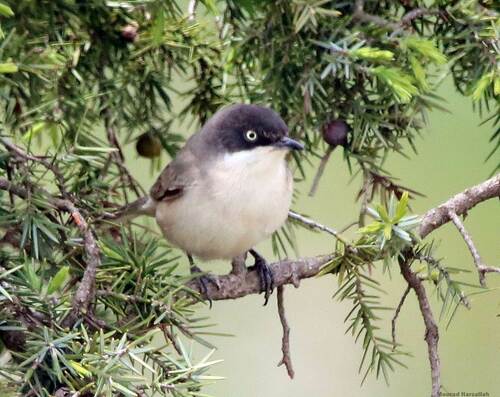 toutinegra-real-ocidental
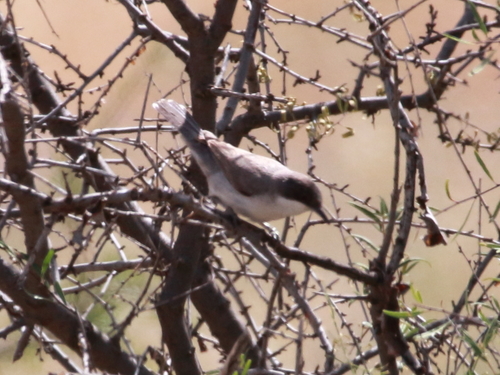 toutinegra-real-oriental
Em resumo
A toutinegra-real-ocidental e a toutinegra-real-oriental são extremamente semelhantes em campo, especialmente na plumagem adulta, e são melhor separadas por diferenças sutis na coloração das partes inferiores em fêmeas e imaturos, e pela qualidade do canto em machos. Pássaros juvenis e imaturos de ambas as espécies apresentam costas cinzas com um tom acastanhado e uma cabeça pálida, mas a toutinegra-real-ocidental tende a ter partes inferiores cor de canela, enquanto a toutinegra-real-oriental apresenta tons avermelhados. Machos adultos são quase indistinguíveis visualmente, mas o canto da toutinegra-real-oriental é notavelmente mais rico e variado. Características estruturais, cor da íris por idade e tamanho não são confiáveis para separação.
Dicas de identificação
- Partes inferiores de juvenis/imaturos: Em pássaros juvenis e de primeiro ano frescos, observe atentamente a cor das partes inferiores: a toutinegra-real-ocidental tende a mostrar tons canela, enquanto a toutinegra-real-oriental é mais avermelhada. Esta é a pista de plumagem mais confiável para não adultos.
- Plumagem de machos adultos: Machos adultos de ambas as espécies são quase idênticos—costas cinzas simples, cabeça cinza escura com máscara ocular preta, garganta branca e íris branca. A separação visual não é possível em campo para esta idade/gênero.
- Cabeça e costas de fêmeas/imaturos: Ambas têm uma cabeça mais pálida e costas cinzas com um tom acastanhado; isso não é diagnóstico. Foque na cor das partes inferiores em vez disso.
- Cor da íris por idade: Ambas as espécies têm íris escura em juvenis/imaturos e branca em adultos. Isso ajuda a determinar a idade do pássaro, mas não a separar as espécies.
- Cor do bico e das pernas: Ambas têm bicos longos e pontudos e pernas pretas. Estes não são úteis para separação.
- Canto: A melhor marca de campo para machos adultos é o canto: o canto da toutinegra-real-oriental é mais variado e rico, às vezes lembrando um rouxinol, enquanto o da toutinegra-real-ocidental é mais simples. Use isso quando os pássaros estiverem cantando.
- Habitat e distribuição: Se você estiver na Europa ocidental ou no noroeste da África, a toutinegra-real-ocidental é mais provável; nos Bálcãs, Turquia, Cáucaso ou Ásia Central, a toutinegra-real-oriental é mais provável. No leste do Mediterrâneo, ambas podem ocorrer, então não confie apenas na localização.
- Padrão de voo e asas: Nenhuma diferença distintiva no padrão de asas ou de voo é descrita para qualquer idade; não use o padrão de asas para separar essas espécies.
- Tamanho e estrutura: Ambas são grandes toutinegras (15–16 cm), ligeiramente maiores que o chapim-preto, com estrutura semelhante. O tamanho não é uma marca de campo.
- Voz (chamadas): Ambas emitem notas de advertência, que não são descritas como diferentes; use o canto em vez da chamada para identificação.
- Comportamento alimentar: Ambas são principalmente insetívoras e forrageiam de maneiras semelhantes; o comportamento não é diagnóstico.
- Armadilhas: Não confie em diferenças sutis na cor das costas, padrão da cabeça ou cor da íris sozinhas. Apenas o tom das partes inferiores em imaturos/fêmeas e o canto em machos são confiáveis.
- Contexto sazonal: No outono, quando juvenis e imaturos estão presentes, foque na cor das partes inferiores. Na primavera/verão, ouça o canto.
- Bandos mistos: Se ambas as espécies ocorrerem em sua área, use uma combinação da cor das partes inferiores (para imaturos/fêmeas) e do canto (para machos) para melhores resultados.
- Incerteza: Se você não puder ouvir o canto e a cor das partes inferiores for ambígua, pode não ser possível identificar com segurança o pássaro até a espécie em campo.
Tamanho
Ambas as espécies estão entre as maiores toutinegras típicas, medindo 15–16 cm de comprimento—ligeiramente maiores que o chapim-preto. Nenhuma diferença consistente em tamanho, comprimento do bico ou cor das pernas é notada entre a toutinegra-real-ocidental e a toutinegra-real-oriental. Ambas têm bicos longos e pontudos e pernas pretas. O tamanho não é uma marca de campo útil para separação. [wikipedia]
Plumagem
Juvenis e imaturos de ambas as espécies têm costas cinzas com um tom acastanhado e uma cabeça mais pálida, mas a toutinegra-real-ocidental tipicamente mostra partes inferiores cor de canela, enquanto a toutinegra-real-oriental tem partes inferiores avermelhadas. Ambas têm íris escuras quando jovens, tornando-se brancas em adultos. Machos adultos de ambas as espécies são extremamente semelhantes: costas cinzas simples, cabeça cinza escura com máscara ocular preta, garganta branca e íris branca. Fêmeas e imaturos são melhor separados pelo tom das partes inferiores: canela (ocidental) vs avermelhado (oriental). Nenhuma diferença distintiva no padrão de asas ou de voo é descrita para qualquer idade. [wikipedia]
Comportamento
Ambas as espécies forrageiam em florestas decíduas abertas, frequentemente em arbustos ou árvores, e são insetívoras (embora uma fonte mencione nectarivoria para a oriental, isso é provavelmente um erro ou uma pequena diferença dietética). O comportamento geral e a aparência não são distintos o suficiente para uma separação confiável em campo. [wikipedia]
Habitat
As preferências de habitat são quase idênticas: ambas se reproduzem em florestas decíduas abertas, frequentemente perto do Mediterrâneo. A toutinegra-real-ocidental se distribui pela Europa ocidental e noroeste da África, enquanto a toutinegra-real-oriental é encontrada dos Bálcãs através da Turquia e até a Ásia Central. Em áreas de sobreposição (leste do Mediterrâneo), a distribuição pode não ser diagnóstica sem localidade precisa. [wikipedia]
Voz
Ambas as espécies emitem uma série de notas trinado 'liroo-liroo' e notas de advertência, mas o canto da toutinegra-real-oriental é mais variado e rico, aproximando-se do rouxinol em complexidade. Esta é a distinção mais confiável em campo, especialmente para machos cantores. O canto da toutinegra-real-ocidental é mais simples e menos variado. [wikipedia]
toutinegra-real-ocidental · toutinegra-real-oriental · Minhas aves difíceis