

petinha-ribeirinha vs petinha-fulva
Anthus spinoletta versus Anthus rubescens
Jogue um quiz com petinha-ribeirinha e petinha-fulva
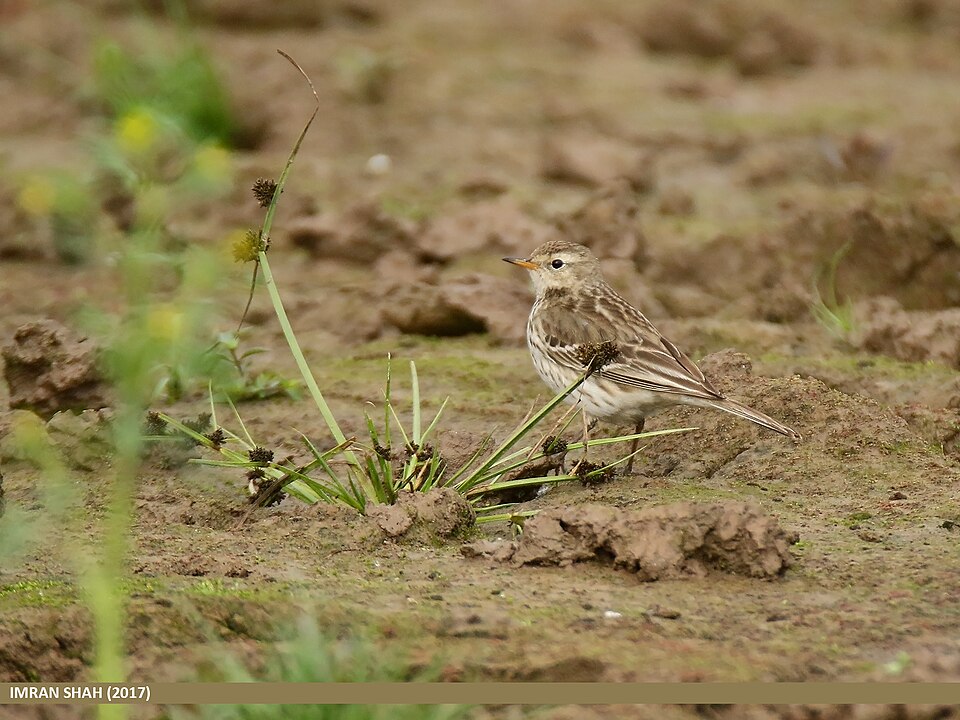 petinha-ribeirinha
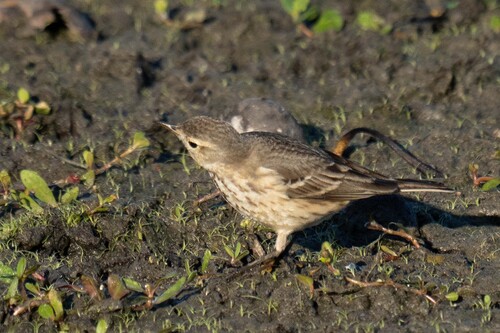 petinha-fulva
Em resumo
A marca de campo mais confiável entre a petinha-ribeirinha e a petinha-fulva é o forte supercílio branco da petinha-ribeirinha e as penas da cauda externa mais brancas, especialmente na plumagem de reprodução. As aves juvenis e não reprodutoras são mais complicadas, mas a petinha-ribeirinha é geralmente mais clara por baixo, com listras menos difusas, e tem uma cabeça mais cinza do que a petinha-fulva. Ambas podem parecer muito semelhantes no outono e no inverno, então concentre-se no supercílio, no padrão da cauda e nas sutis diferenças na coloração e listras das partes inferiores. As diferenças estruturais são menores, mas a petinha-ribeirinha tende a ter asas e cauda ligeiramente mais longas.
Dicas de identificação
- Supercílio: A petinha-ribeirinha tem um forte e largo supercílio branco na plumagem de reprodução e um ainda perceptível, mas menos distinto, no inverno; o supercílio da petinha-fulva é fraco ou ausente em todas as plumagens. Esta é a melhor marca na maioria das condições.
- Penas da Cauda Externa: A petinha-ribeirinha apresenta penas da cauda externa brancas (às vezes com um toque de cinza em algumas subespécies), visíveis em voo ou quando a cauda está aberta; a petinha-fulva não possui essa característica descrita e tipicamente a falta. Verifique isso quando as aves se assustarem ou se arrumarem.
- Cor das Partes Inferiores: A petinha-ribeirinha na plumagem de reprodução tem partes inferiores de um rosa claro-fulvo que desvanecem para um branco no ventre inferior, com poucas ou fracas listras. A petinha-fulva é fulva no peito/flancos com listras difusas e um ventre esbranquiçado, mas carece do tom rosado.
- Cor da Cabeça: A cabeça da petinha-ribeirinha é cinza (especialmente nos machos), contrastando com as partes superiores, e o supercílio se destaca. A cabeça da petinha-fulva é mais uniformemente cinza-marrom, misturando-se com as costas.
- Listras nas Partes Inferiores: A petinha-ribeirinha tem menos listras por baixo, especialmente na plumagem de reprodução; a petinha-fulva é mais difusamente listrada no peito e flancos fulvos em todas as plumagens.
- Aves Juvenis/Primeiro Inverno: Ambas são mais marrons e mais listradas, mas as juvenis da petinha-ribeirinha são mais claras por baixo e podem mostrar um supercílio mais forte. As juvenis da petinha-fulva são mais uniformemente listradas e carecem de um supercílio forte.
- Cor das Pernas: A petinha-ribeirinha tem pernas escuras (não rosadas), combinando com a petinha-fulva, então isso não é um separador.
- Cor do Bico: Ambas têm bicos escuros; não é um separador.
- Estrutura: A petinha-ribeirinha é ligeiramente mais longa nas asas e na cauda, mas isso é sutil e não confiável, exceto em comparação direta.
- Visões em Voo: Em voo, procure as penas da cauda externa brancas da petinha-ribeirinha. A petinha-fulva não mostra isso.
- Diferenças Sexuais: As fêmeas da petinha-ribeirinha têm, em média, a cabeça mais cinza do que os machos, mas ambos os sexos mostram as marcas principais acima. A petinha-fulva apresenta pouco dimorfismo sexual nas marcas de campo.
- Variação Sazonal: O supercílio da petinha-ribeirinha é mais forte na primavera, menos no outono/inverno, mas ainda presente. O da petinha-fulva é sempre fraco.
- Habitat/Distribuição: Na América do Norte, espere a petinha-fulva; na Europa/Ásia, a petinha-ribeirinha é a padrão, exceto para raros vagantes. Em tundras abertas ou altas montanhas, verifique o contexto.
- Voz: O chamado da petinha-fulva é um 'sip' estridente; o chamado da petinha-ribeirinha não é descrito aqui, então use com cautela.
- Armadilhas: Ambas as espécies podem parecer muito semelhantes no outono/inverno ou como juvenis. Nesses casos, confie no supercílio e no padrão da cauda, e use o contexto de distribuição/habitat como um backup.
Tamanho
Ambas as espécies são pequenas petinhas e muito próximas em tamanho, com a petinha-ribeirinha medindo 15–17 cm de comprimento e pesando 18,7–23 g [wikipedia]. A petinha-fulva é descrita como um pequeno pássaro cantor, mas nenhuma medida precisa é dada nas notas. No campo, o tamanho não é um separador confiável entre essas duas—qualquer diferença é sutil e facilmente mascarada pela postura ou distância.
Plumagem
-
Juvenil/Primeiro Inverno: Ambas as espécies são mais marrons e mais pesadamente listradas acima e abaixo do que os adultos. As juvenis da petinha-ribeirinha têm listras proeminentes nas partes inferiores, mas tendem a ser mais claras por baixo do que a petinha-fulva, com um toque de um supercílio mais forte. As juvenis da petinha-fulva são listradas difusamente no peito e flancos fulvos, com um ventre esbranquiçado, e carecem de um supercílio forte.
-
Não-reprodutora/Outono: A petinha-ribeirinha torna-se cinza-marrom acima, com um supercílio menos distinto, mas ainda presente, e penas da cauda externa brancas. As partes inferiores são brancas com listras marrons claras no peito/flancos. A petinha-fulva é cinza-marrom acima, listrada difusamente abaixo no peito/flancos fulvos, com um ventre esbranquiçado; o supercílio é fraco ou ausente.
-
Reprodução/Primavera: A petinha-ribeirinha apresenta partes superiores cinza-marrom, listras fracas, partes inferiores de um rosa claro-fulvo que desvanecem para um ventre esbranquiçado, e um amplo supercílio branco. A petinha-fulva é levemente listrada cinza-marrom acima, listrada difusamente abaixo no peito/flancos fulvos, e tem um ventre esbranquiçado, mas carece do forte supercílio e do tom rosa-fulvo. As penas da cauda externa da petinha-ribeirinha são brancas; as da petinha-fulva não são descritas como tal, então esta é uma marca chave.
Comportamento
Ambas as espécies forrageiam no chão, correndo ou andando com um jizz semelhante de petinha. A petinha-ribeirinha é descrita como 'muito mais cautelosa' do que a petinha-marítima, mas nenhuma comparação comportamental direta é dada para a petinha-fulva. Ambas fazem ninhos no chão em áreas abertas e formam bandos fora da temporada de reprodução. Em geral, o comportamento não é um separador forte entre essas duas.
Habitat
A petinha-ribeirinha se reproduz em altas montanhas do sul da Europa e em toda a Paleártica, movendo-se para áreas baixas ou abertas e úmidas no inverno. A petinha-fulva (petinha americana) se reproduz na tundra e inverna em áreas abertas e levemente vegetadas, incluindo prados e campos, semelhante ao habitat de invernada da petinha-ribeirinha. Na Europa, a petinha-fulva é um vagante raro, então o contexto pode ajudar: na América do Norte, a petinha-fulva é esperada; na Europa/Ásia, a petinha-ribeirinha é a padrão, exceto em raras situações de vagância.
Voz
O chamado da petinha-fulva é um 'sip' estridente. Nenhuma descrição vocal é dada para a petinha-ribeirinha nessas notas, então a voz não é um separador confiável com base nessas informações.