

tui vs chatham islands gerygone
Prosthemadera novaeseelandiae versus Gerygone albofrontata
Jogue um quiz com tui e chatham islands gerygone
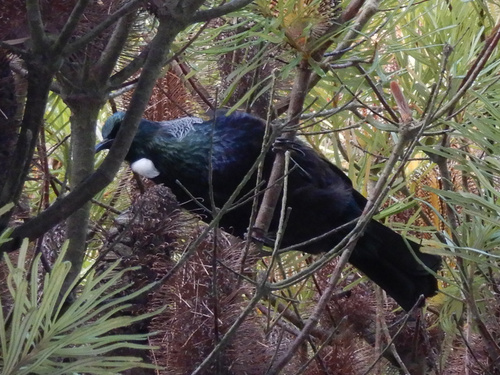 tui
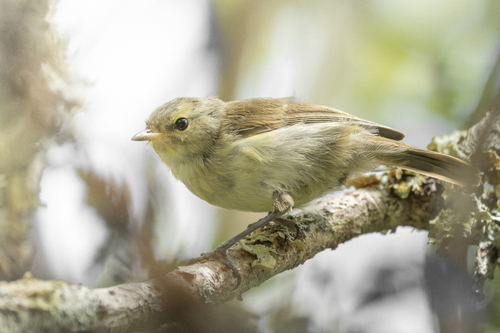 chatham islands gerygone
Em resumo
A maneira mais confiável de separar o Tui do chatham islands gerygone é pelo tamanho e estrutura geral: o Tui é um pássaro muito maior e mais pesado, com um impressionante tufo branco na garganta, plumagem escura iridescente e uma presença alta e poderosa, enquanto o chatham islands gerygone é um pequeno e esbelto chapim com partes superiores de cor oliva-marrom simples e, nos machos, uma testa e sobrancelhas brancas. No campo, o ousado tufo branco na garganta do Tui e o brilho metálico se destacam mesmo à distância, enquanto a coloração sutil e o tamanho menor do gerygone são inconfundíveis de perto. Gerygones juvenis e fêmeas não possuem as nítidas marcas faciais brancas dos machos adultos, mas ainda assim nunca mostram o dramático tufo na garganta ou a iridescência do Tui. O estilo de voo e as vocalizações também são muito diferentes, com o Tui sendo barulhento e conspícuo, e o gerygone delicado e discreto.
Dicas de identificação
- O tamanho é a verificação mais rápida: O Tui é um pássaro de tamanho médio, muito maior que o pequeno chatham islands gerygone. Se o pássaro tem o tamanho de um chapim, não pode ser um Tui.
- Tufo branco na garganta (poi): Apenas o Tui mostra um tufo branco proeminente na garganta, visível mesmo à distância. O gerygone nunca tem essa característica em qualquer idade ou sexo.
- Plumagem iridescente: A plumagem do Tui é brilhante com iridescência azul, verde e bronze em boa luz, enquanto o gerygone é sempre de cor oliva-marrom simples acima e off-white/amarelado abaixo.
- Marcas faciais brancas: O macho adulto do chatham islands gerygone tem uma testa, sobrancelhas e garganta brancas. Fêmeas e juvenis são mais apagados, com rosto e garganta amarelados, mas nunca mostram o colar branco rendado ou o tufo na garganta do Tui.
- Olhos vermelhos: Tanto o macho adulto quanto a fêmea do gerygone têm olhos vermelhos (castanhos nos juvenis), enquanto a cor dos olhos do Tui não é distintiva nas notas.
- Bico e estrutura: O Tui tem um bico forte, ligeiramente curvado, adequado para se alimentar de néctar, e uma postura robusta e ereta. O gerygone tem um bico fino e reto e um jeito delicado e ativo de chapim.
- Estilo de voo: O voo do Tui é barulhento e poderoso, com batidas rápidas e voos de exibição dramáticos. O gerygone é muito mais silencioso e se move de maneira típica de chapim.
- Comportamento agressivo: O Tui é frequentemente visto perseguindo outros pássaros de fontes de alimento, às vezes até atacando espécies muito maiores. O gerygone defende seu território com canto e perseguições, mas nunca é fisicamente agressivo.
- Habitat e distribuição: O Tui é encontrado em toda a Nova Zelândia (não nas Ilhas Chatham); o chatham islands gerygone está apenas nas Chathams. Se você estiver nas Chathams, qualquer pequeno chapim é um gerygone; se estiver nas ilhas principais, o Tui é a única opção entre os dois.
- Vocalizações: O canto do Tui é alto, variado e às vezes áspero, enquanto o canto do gerygone é delicado e repetitivo. Se você ouvir um canto poderoso e complexo, suspeite do Tui; um suave e intrincado trinado aponta para o gerygone.
- Aparência empoleirada: O Tui muitas vezes aparece todo preto à distância com um tufo branco na garganta; o gerygone nunca é preto, sempre é oliva-marrom e off-white/amarelado.
- Padrão de asas e cauda: Nenhuma das espécies tem um padrão distintivo de asa ou cauda em voo que cause confusão; concentre-se na cor do corpo e na estrutura.
- Confusão juvenil: Os gerygones juvenis são mais apagados e mais amarelados abaixo, mas ainda assim nunca mostram a iridescência ou o tufo na garganta do Tui.
- Comportamento alimentar: O Tui frequentemente se alimenta de néctar de linho e outras flores, às vezes pendurado de cabeça para baixo; o gerygone coleta insetos da folhagem.
- Tamanho do grupo: O Tui pode ser visto sozinho, em pares ou em pequenos grupos, às vezes se reunindo em fontes de alimento. O gerygone é geralmente solitário ou em pares, raramente em grupos.
Tamanho
O Tui é muito maior e mais pesado que o chatham islands gerygone. Enquanto o gerygone tem uma média de cerca de 10 g de massa corporal e mede apenas cerca de 12 cm de comprimento, o Tui é um pássaro de tamanho médio (muito maior que qualquer chapim), com uma construção robusta e uma presença que ofusca o gerygone. A diferença de massa e comprimento é imediatamente óbvia no campo: o Tui é mais próximo em tamanho de um estorninho ou corvo pequeno, enquanto o gerygone é um clássico pequeno chapim. Essa diferença de tamanho é diagnóstica a qualquer distância onde ambos os pássaros possam ser comparados.
Plumagem
Não há marcas de asa ou voo específicas por idade nas notas para nenhuma das espécies, então o foco está na plumagem do corpo. O Tui parece principalmente preto à primeira vista, mas revela um brilho iridescente multicolorido (azul, verde, bronze) em boa luz, com um distinto tufo branco na garganta (poi) e um colar rendado de penas brancas no pescoço. Pode haver uma pequena mancha branca na asa visível em repouso. O chatham islands gerygone, por outro lado, tem partes superiores de cor oliva-marrom simples e partes inferiores off-white, com flancos e subcauda amarelos pálidos. Machos adultos têm uma testa, sobrancelhas, garganta e partes inferiores brancas, enquanto fêmeas e juvenis são mais apagados, sem o branco nítido, e mostram sobrancelhas e garganta amareladas. Ambos os sexos têm olhos vermelhos (castanhos nos juvenis). O gerygone nunca mostra iridescência ou um tufo na garganta. Essas diferenças são confiáveis em todas as idades e estações.
Comportamento
O Tui é altamente agressivo e territorial, especialmente em torno de fontes de alimento preferidas, frequentemente perseguindo ou atacando outros pássaros (incluindo espécies muito maiores). Seu voo é barulhento e poderoso, com batidas rápidas devido a asas curtas e largas, e eles realizam voos de exibição verticais dramáticos durante a estação de reprodução. O chatham islands gerygone é muito mais delicado em seu comportamento, defendendo territórios principalmente através de perseguições e canto, mas nunca fazendo contato físico. Os gerygones são nidificadores solitários e muito menos conspícuos em seus movimentos.
Habitat
O Tui é amplamente distribuído pela Nova Zelândia (exceto nas Ilhas Chatham), preferindo florestas de folhas largas, mas também é encontrado em plantações, regeneração e subúrbios bem vegetados. É comum em Wellington urbana e em outros lugares nas ilhas principais. O chatham islands gerygone é endêmico das Ilhas Chatham e não é encontrado no continente da Nova Zelândia. Seu habitat é restrito ao grupo Chatham, onde nidifica em uma variedade de tipos de vegetação, desde aberturas até folhagens densas. Assim, a localização sozinha é frequentemente diagnóstica: um pequeno chapim nas Chathams é o gerygone; um grande pássaro iridescente com um tufo na garganta nas ilhas principais é um Tui.
Voz
O Tui tem um canto alto, variado e muitas vezes áspero, com notas que podem se assemelhar à fala humana ou a ruídos mecânicos. Seus chamados são poderosos e se espalham bem. O chatham islands gerygone, em contraste, tem um canto delicado e intrincado, tipicamente uma série de frases de quatro notas repetidas ao longo do tempo, reminiscente do chapim cinza do continente, mas menos desenvolvido. O canto do gerygone é suave e discreto, muito diferente das vocalizações barulhentas do Tui.