

tufted titmouse vs brewer's blackbird
Baeolophus bicolor versus Euphagus cyanocephalus
Jogue um quiz com tufted titmouse e brewer's blackbird
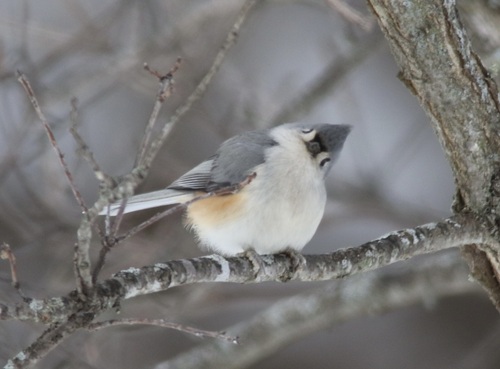 tufted titmouse
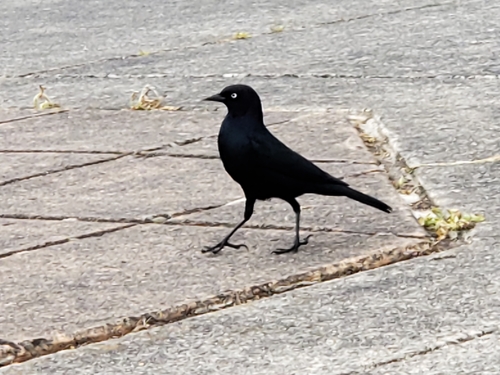 brewer's blackbird
Em resumo
A maneira mais confiável de separar o tufted titmouse do brewer's blackbird é pela estrutura geral e plumagem: o titmouse é um pássaro pequeno, com crista, cinza e branco, com uma testa preta e flancos avermelhados, enquanto o brewer's blackbird é um pássaro muito maior, de pernas longas e esguias, com um bico reto e (nos machos) plumagem preta brilhante com destaques iridescentes roxos e verdes. Os titmice juvenis não têm a testa preta completa, o que pode fazê-los parecer mais simples, mas eles nunca se assemelham ao blackbird marrom ou iridescente. As fêmeas do brewer's blackbird são cinza-marrons e não têm crista, com um olho escuro, enquanto os machos são pretos brilhantes com um olho amarelo marcante. Em voo ou empoleirados, a forma compacta, de cauda curta e cabeça arredondada do titmouse com crista é diferente do blackbird esguio e de cauda longa. Essas espécies diferem dramaticamente em tamanho, comportamento e preferências de habitat, tornando a confusão rara, exceto em um rápido olhar ou com visões ruins.
Dicas de identificação
- Tamanho: O brewer's blackbird é três vezes mais pesado e muito mais longo que o tufted titmouse; use isso quando visto perto de pássaros familiares ou alimentadores.
- Crista: O tufted titmouse sempre mostra uma crista cinza pontuda, mesmo em juvenis; o brewer's blackbird nunca tem crista.
- Forma do Bico: O titmouse tem um bico curto e robusto adequado para sementes; o blackbird tem um bico mais longo, reto e pontudo para insetos e grãos.
- Forma da Cauda: O titmouse tem uma cauda curta e quadrada; o blackbird tem uma cauda mais longa e de lados retos, às vezes ligeiramente arredondada.
- Plumagem – Macho Adulto Blackbird: Preto brilhante com cabeça roxa e corpo verdejante, olho amarelo brilhante—nunca igualado pelo titmouse.
- Plumagem – Fêmea Adulto Blackbird: Marrom-cinza simples, olho escuro, sem crista, maior e de pernas mais longas que o titmouse.
- Plumagem – Titmouse: Parte superior cinza, parte inferior branca, flancos avermelhados, testa preta (reduzida em juvenis), sempre com crista.
- Titmouse Juvenil: Pode não ter testa preta, mas ainda mostra a forma compacta e com crista e nunca aparece marrom ou iridescente.
- Cor dos Olhos: O macho blackbird tem um olho amarelo brilhante; o titmouse e a fêmea blackbird têm olhos escuros, mas o titmouse é muito menor e com crista.
- Pernas: O blackbird tem pernas longas e fortes para caminhar; o titmouse tem pernas curtas, geralmente visto empoleirado ou pulando.
- Comportamento: O titmouse é arbóreo, rápido e frequentemente em alimentadores; o blackbird é terrestre, frequentemente em áreas abertas, às vezes em grandes bandos.
- Habitat: O titmouse em florestas ou subúrbios arborizados; o blackbird em campos abertos, parques ou perto da água.
- Voz: O titmouse emite assobios claros; o blackbird emite chamados ásperos de 'check'—as canções não são semelhantes.
- Bando: O titmouse em pequenos bandos mistos, frequentemente com chickadees; o blackbird em grandes bandos, muitas vezes de uma única espécie.
- Armadilhas: A única confusão provável é uma visão rápida e ruim de uma fêmea blackbird (marrom, simples) vs. um titmouse juvenil (cinza, com crista)—mas a crista e a diferença de tamanho são confiáveis.
Tamanho
O brewer's blackbird é muito maior e mais pesado que o tufted titmouse. O blackbird tem uma média de cerca de 62,7 g de massa corporal [wikidata], enquanto o titmouse é leve, com 18–26 g [wikipedia]. Em comprimento, o titmouse mede 14–16 cm (5,5–6,3 pol) com uma envergadura de 20–26 cm (7,9–10,2 pol), tornando-se um pequeno pássaro cantor. O blackbird é um icterídeo de tamanho médio, visivelmente mais robusto e de pernas mais longas que o titmouse. No campo, a diferença de tamanho é óbvia se ambos forem vistos perto um do outro ou de pássaros de referência familiares.
Plumagem
Os titmice juvenis e adultos são cinzas por cima com uma frente branca e uma crista cinza distinta. Os adultos mostram uma testa preta (reduzida em juvenis) e flancos avermelhados. Nenhuma idade ou estação do titmouse apresenta plumagem totalmente preta ou iridescente. Os machos adultos do brewer's blackbird são pretos brilhantes com uma cabeça roxa e um brilho verdejante no corpo, e um olho amarelo brilhante. As fêmeas são geralmente cinza-marrons, sem crista ou padrão facial forte, com um olho escuro. Os titmice juvenis podem ter uma testa preta fraca ou ausente, mas ainda mostram a forma compacta e com crista e não apresentam a iridescência ou os tons marrons do blackbird. Não há marcas distintivas nas asas superiores ou de voo em nenhuma das espécies que causariam confusão em aves imaturas; a cor e a forma geral são sempre diferentes.
Comportamento
Os tufted titmice são ativos, frequentemente em pequenos bandos, movendo-se rapidamente através de árvores e arbustos, visitando frequentemente alimentadores e tipicamente pegando uma semente e voando para comer em um local protegido. Eles são ágeis e frequentemente ficam de cabeça para baixo enquanto forrageiam. Os brewer's blackbirds são mais terrestres, frequentemente vistos caminhando no chão com movimentos de cabeça bruscos, forrageando em áreas abertas e formando grandes bandos, especialmente fora da temporada de reprodução. Os blackbirds podem atacar predadores de forma agressiva e são conspícuos em habitats abertos, às vezes seguindo equipamentos agrícolas. O titmouse é muito mais arbóreo e secreto em seus movimentos.
Habitat
O tufted titmouse prefere florestas decíduas e mistas, jardins, parques e áreas arbustivas, raramente se aventurando longe das árvores e frequentemente encontrado em alimentadores em subúrbios arborizados. O brewer's blackbird é encontrado em habitats abertos: campos, parques, áreas urbanas e perto da água, frequentemente em grandes bandos. Ele faz ninhos colonialmente em árvores ou juncos, às vezes em ambientes urbanos. As duas espécies raramente se sobrepõem em habitat preferido, com o titmouse se mantendo em áreas arborizadas e o blackbird em ambientes abertos ou de borda.
Voz
O tufted titmouse emite uma canção clara e assobiada de 'peter-peter-peter' (com muitas variações) e uma variedade de chamados agudos. O brewer's blackbird emite um chamado agudo de 'check' e outras notas ásperas e metálicas, bem diferentes da canção assobiada do titmouse. As vocalizações não são semelhantes e é improvável que sejam confundidas.