

pilrito-de-temminck vs pilrito-de-pescoço-ruivo
Calidris temminckii versus Calidris ruficollis
Jogue um quiz com pilrito-de-temminck e pilrito-de-pescoço-ruivo
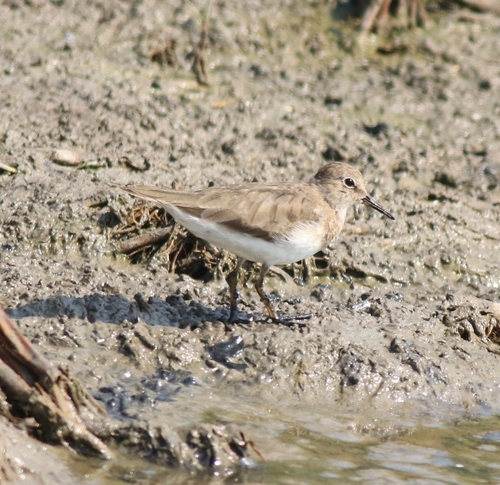 pilrito-de-temminck
 pilrito-de-pescoço-ruivo
Em resumo
A marca de campo mais confiável para separar o pilrito-de-temminck do pilrito-de-pescoço-ruivo é a cor das pernas: o pilrito-de-temminck tem pernas amarelas ou marrons opacas, enquanto o pilrito-de-pescoço-ruivo tem pernas escuras. Em voo ou em repouso, o pilrito-de-temminck também exibe penas brancas na cauda externa, em comparação com a cauda externa mais escura do pilrito-de-pescoço-ruivo. Ambos são pequenos e simples, mas o pilrito-de-temminck é mais apagado no geral e carece dos tons mais brilhantes ruivos ou laranja do pilrito-de-pescoço-ruivo na plumagem de reprodução. As aves juvenis e de inverno podem ser especialmente complicadas, mas a cor das pernas e da cauda permanecem confiáveis. A estrutura e o comportamento oferecem pistas adicionais, mas são mais sutis.
Dicas de identificação
- A cor das pernas é a marca de campo mais confiável: O pilrito-de-temminck sempre tem pernas amarelas ou marrons opacas, enquanto o pilrito-de-pescoço-ruivo tem pernas escuras (negras). Isso funciona em todas as idades e estações, mas cuidado com lama ou iluminação que pode obscurecer a cor das pernas.
- Cor da cauda em voo ou ao se arrumar: O pilrito-de-temminck exibe penas brancas na cauda externa; as penas da cauda externa do pilrito-de-pescoço-ruivo são cinzas/escuras. Isso é visível quando a cauda é aberta ou em voo, e é um forte separador em todas as plumagens.
- Brilho da plumagem de reprodução: O pilrito-de-pescoço-ruivo na plumagem de reprodução tem um peito laranja brilhante (ruivo) sem listras e um V branco nas costas, contornado abaixo por marcas escuras. O pilrito-de-temminck é muito mais simples, com apenas algumas penas de manto ruivas ou negras e uma aparência geralmente apagada.
- Padrão do manto juvenil/imaturo: Os juvenis do pilrito-de-pescoço-ruivo têm penas de manto mais contrastantes e linhas brancas mais fracas nas costas do que o pilrito-de-temminck, que é mais simples e menos padronizado. Isso é sutil e é melhor usado com outras marcas.
- Estrutura do bico: Ambos têm bicos finos e retos, mas o pilrito-de-pescoço-ruivo é descrito como tendo uma ponta de bico particularmente fina. Este é um ponto menor e nem sempre visível à distância.
- Projeção e estrutura primária: Ambos são descritos como tendo pernas mais curtas e asas mais longas do que o maçarico-pequeno, mas não são confiavelmente diferentes entre si nessas notas. Não confie no comprimento da asa ou das pernas entre esses dois.
- Cor da parte inferior: O pilrito-de-temminck tem partes inferiores brancas com um peito mais escuro, mas o pilrito-de-pescoço-ruivo em reprodução tem um peito laranja claro. No inverno, ambos são mais apagados e isso não é confiável.
- Comportamento: O pilrito-de-pescoço-ruivo é mais propenso a ser visto em bandos ativos e apertados com outros pequenos limícolas, e pode se mover mais rapidamente. O pilrito-de-temminck é menos gregário. Use isso apenas como um contexto de apoio.
- Voz: Se você ouvir um chamado rouco 'stit', isso indica o pilrito-de-pescoço-ruivo, mas silêncio ou piados genéricos não são úteis para o pilrito-de-temminck.
- Habitat e distribuição: Na Europa, África e oeste da Ásia, um pilrito com pernas amareladas é quase certamente o pilrito-de-temminck. No Sudeste Asiático e na Australásia, o pilrito-de-pescoço-ruivo é o padrão. Na Ásia Oriental, ambos podem ocorrer, então use marcas estruturais e de plumagem.
- Armadilhas: A lama pode obscurecer a cor das pernas, e a iluminação pode fazer com que pernas marrons pareçam escuras. Sempre verifique múltiplas características, se possível.
- Tamanho: Ambos são essencialmente idênticos em tamanho e massa; não use o tamanho para separação.
- Sexo e idade: Nenhum dimorfismo sexual é descrito; todas as marcas acima funcionam para ambos os sexos. As aves juvenis e de inverno são as mais difíceis, mas a cor das pernas e da cauda permanecem confiáveis.
- Empoleirado vs. em voo: A cor da cauda é melhor verificada em voo ou quando a ave está se arrumando. A cor das pernas é melhor vista quando a ave está em pé ou andando.
- Resumo para verificação rápida: Se você ver um pequeno pilrito com pernas amareladas e cauda externa branca, é o pilrito-de-temminck; se as pernas forem pretas e a cauda externa não for branca, é o pilrito-de-pescoço-ruivo.
Tamanho
Both species are extremely similar in size and mass, with pilrito-de-temminck averaging 26.05g and pilrito-de-pescoço-ruivo 26.0g. Length overlaps: Temminck's is 13.5–15 cm, Red-necked 13–17 cm. In the field, neither is noticeably larger or smaller than the other, and size alone is not a safe separator.
Plumagem
- Juvenile/first-winter/immature: No distinctive upperwing pattern differences are described for these ages between the two species. Both are rather plain above, but Temminck's is generally drabber brown, while Red-necked juveniles have more contrasting mantle feathers and weaker white lines down the back.
- Adult breeding: Temminck's is plain brown above with some rufous or blackish mantle feathers, but overall dull; Red-necked shows a clear orange (rufous) unstreaked breast and a white V on the back, bordered below by dark marks—much brighter and more patterned than Temminck's.
- Adult non-breeding/winter: Both become duller, but Temminck's remains plainer, with grey to greenish-grey or brownish-grey upperparts and a darker breast; Red-necked is still a bit more contrasting, but identification is difficult in this plumage.
- Tail: Temminck's always shows white outer tail feathers, Red-necked has darker (grey) outer tail feathers.
- Legs: Temminck's legs are dull yellowish or brown; Red-necked's are dark (blackish).
Comportamento
O pilrito-de-pescoço-ruivo é conhecido por movimentos mais rápidos e é frequentemente altamente gregário, formando bandos com outros pequenos limícolas do gênero Calidris. O pilrito-de-temminck não é descrito como especialmente gregário e pode parecer mais solitário ou em pequenos grupos. Em comparação direta, o pilrito-de-pescoço-ruivo pode parecer mais ativo e social, mas isso é sutil e nem sempre é diagnóstico.
Habitat
Ambas as espécies são limícolas migratórias, mas suas principais áreas de não reprodução não se sobrepõem muito: o pilrito-de-temminck é nativo do Velho Mundo (Europa, Ásia, África), enquanto o pilrito-de-pescoço-ruivo se reproduz no nordeste da Rússia e inverna no Sudeste Asiático e na Australásia. Em áreas de sobreposição (por exemplo, Ásia Oriental durante a migração), ambos podem ser encontrados em costas lamacentas ou arenosas, mas o contexto é apenas uma pista fraca.
Voz
O pilrito-de-pescoço-ruivo emite um chamado rouco 'stit'. Nenhuma vocalização distintiva é descrita para o pilrito-de-temminck nas notas fornecidas, então a voz não é um separador confiável, a menos que o chamado 'stit' seja ouvido e atribuído com confiança.
pilrito-de-temminck · pilrito-de-pescoço-ruivo · Minhas aves difíceis