

batuíra-de-papo-ferrugíneo vs maria-faceira
Oreopholus ruficollis versus Syrigma sibilatrix
Jogue um quiz com batuíra-de-papo-ferrugíneo e maria-faceira
 batuíra-de-papo-ferrugíneo
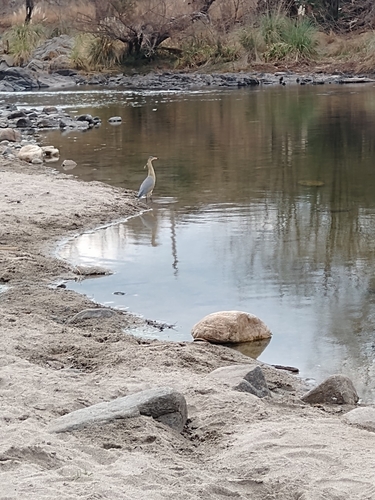 maria-faceira
Em resumo
A marca de campo mais confiável entre a batuíra-de-papo-ferrugíneo e a maria-faceira é a estrutura geral: a batuíra é uma ave limícola compacta, de bico curto, com plumagem rica em ferrugem e listrada, enquanto a garça é uma ave muito maior, de pescoço longo e pernas longas, com aparência predominantemente cinza e branca e um bico colorido. Em voo, a batuíra mostra uma asa inferior branca e uma pequena mancha preta na barriga, enquanto a garça revela uma extensa área branca na parte traseira e nas partes inferiores, com batidas de asas rápidas, semelhantes às de um pato, e um pescoço que está apenas parcialmente retraído. As batuíras juvenis são mais claras e menos listradas, mas nunca mostram o longo pescoço da garça, as partes nuas coloridas ou as proporções semelhantes às da garça. Mesmo à distância, a diferença de tamanho e aparência é marcante.
Dicas de identificação
- Tamanho e Estrutura: A maria-faceira é mais de três vezes mais pesada e muito mais alta que a batuíra-de-papo-ferrugíneo. Se a ave é alta, de pernas longas e pescoço longo, é a garça; se compacta, de pernas curtas e semelhante a uma limícola, é a batuíra. Isso é confiável em todas as idades e distâncias.
- Formato e Cor do Bico: A garça tem um bico longo e rosa com azul/violeta na base e uma ponta preta; a batuíra tem um bico curto e discreto de limícola. A cor do bico é especialmente útil em distâncias curtas.
- Comprimento do Pescoço e das Pernas: O pescoço e as pernas da garça são muito mais longos e mais visíveis tanto em repouso quanto em voo. O pescoço da batuíra é curto e as pernas são proporcionalmente muito mais curtas.
- Perfil de Voo: A maria-faceira voa com batidas de asas rápidas, semelhantes às de um pato, e não retrai completamente seu pescoço, dando uma silhueta esticada, semelhante à de uma garça. A batuíra voa com batidas de asas rápidas e diretas e um perfil compacto, semelhante ao de uma limícola. Isso é diagnóstico em voo.
- Padrão da Asa Inferior e da Barriga: Em voo, a batuíra mostra uma asa inferior branca e uma pequena mancha preta na barriga (adultos), enquanto a garça mostra uma extensa área branca na parte traseira e nas partes inferiores, mas nunca uma mancha preta na barriga.
- Costas e Partes Superiores: As costas da batuíra são fortemente listradas e ricas em ferrugem (adultos), ou mais claras com menos listras (juvenis). As partes superiores da garça são lisas, azul-cinza, sem listras.
- Garganta e Peito: A batuíra tem um queixo branco, garganta laranja-ferrugínea e peito cinza; as batuíras juvenis têm uma garganta ferrugínea e partes inferiores mais claras. A garganta e o peito da garça são brancos a manchados de dourado, nunca laranja ou ferrugíneo.
- Coroa e Crista: A garça tem uma coroa preta ou cinza-ardósia e uma crista de longas plumas; a batuíra não possui crista ou coroa contrastante.
- Cor das Pernas: As pernas da garça são esverdeadas e relativamente curtas para uma garça, mas ainda muito mais longas que as da batuíra. As pernas da batuíra são curtas e não são coloridas de forma brilhante.
- Pele Facial Nu: A garça tem uma grande área de pele nua azulada ao redor do olho, ausente na batuíra.
- Armadilhas para Juvenis: As batuíras juvenis são mais claras e menos listradas, mas sempre compactas e semelhantes a limícolas. As garças juvenis são mais opacas, mas ainda mostram a mesma estrutura e padrão da garça.
- Vocalizações: Se você ouvir assobios altos e melodiosos, é a garça. A batuíra não é conhecida por tais chamadas.
- Contexto de Habitat: Em campos abertos longe da água, a batuíra é mais provável; em prados úmidos ou perto da água, especialmente com árvores espalhadas, a garça é mais provável.
- Comportamento: A batuíra corre e forrageia rapidamente no chão; a garça se move lentamente, fica ereta e pode ser vista se esgueirando ou perto da água.
- Tamanho do Grupo: A batuíra pode ser vista em pequenos grupos; a garça é frequentemente solitária ou em pares.
Tamanho
A maria-faceira é dramaticamente maior e mais pesada que a batuíra-de-papo-ferrugíneo: a garça pesa cerca de 455 g e mede 53–64 cm de comprimento, enquanto a batuíra é muito menor, pesando 133 g e medindo 25–29 cm de comprimento [wikidata][wikipedia]. A garça se ergue alta com pernas e pescoço longos, dominando a construção compacta e semelhante a limícola da batuíra. Mesmo à distância, o tamanho e a silhueta alongada da garça são inconfundíveis em comparação com a batuíra compacta e baixa.
Plumagem
As batuíras-de-papo-ferrugíneo juvenis são mais claras que os adultos, com uma garganta ferrugínea, costas menos listradas e uma mancha marrom na barriga, mas ainda mostram o padrão básico de limícola e nunca se aproximam da coloração cinza e branca da garça. Os adultos da batuíra são ricos em ferrugem com listras escuras pesadas nas costas, um queixo branco, garganta laranja-ferrugínea, pescoço e peito cinzas, e uma pequena mancha preta na barriga. Em voo, ambas as idades mostram uma asa inferior branca. Os adultos da maria-faceira são predominantemente cinzas com lados da cabeça e pescoço brancos e manchados de dourado, uma coroa e crista pretas ou cinza-ardósia, e coberturas superiores de asas canela ou cor de mel, dependendo da subespécie. As partes inferiores e a parte traseira da garça são conspicuamente brancas em voo, e o bico é striking pink with blue/violet at the base and a black tip. As garças juvenis são mais opacas, mas mantêm o mesmo padrão, com uma coroa mais clara e garganta e lados brancos sem manchas. A plumagem da garça nunca é listrada ou ferrugínea no geral, e não possui nenhuma mancha preta na barriga.
Comportamento
A batuíra-de-papo-ferrugíneo se comporta como uma limícola típica: é terrestre, corre em curtas explosões e frequentemente forrageia em solo aberto. É compacta e ágil, raramente ficando ereta. A maria-faceira é frequentemente terrestre para uma garça, mas se move com um andar lento e deliberado, fica ereta e é frequentemente vista sozinha ou em pares. Em voo, a garça usa batidas de asas rápidas, semelhantes às de um pato, e não retrai completamente seu pescoço, ao contrário da maioria das garças. O voo da batuíra é mais típico de limícolas, com batidas de asas rápidas e diretas e um perfil compacto.
Habitat
Ambas as espécies podem ser encontradas em áreas abertas na América do Sul, mas a batuíra prefere campos de grama e planícies abertas, enquanto a maria-faceira é mais frequentemente encontrada em prados úmidos, pântanos e, às vezes, campos mais secos, mas sempre prefere áreas próximas à água ou com árvores espalhadas. A batuíra é mais provável em gramados curtos ou estepes, às vezes em elevações mais altas, enquanto a garça está associada a áreas úmidas e savanas abertas.
Voz
A maria-faceira é nomeada por seus altos assobios melodiosos, semelhantes a flautas ('kee, kee, kee' ou 'wueeee'), que são distintivos e se espalham longe. Ela também pode emitir um chamado de alarme áspero ('quah-h-h'). A batuíra-de-papo-ferrugíneo não é descrita como especialmente vocal nas fontes fornecidas e é improvável que emita chamadas altas e assobiadas como a garça.
batuíra-de-papo-ferrugíneo · maria-faceira · Minhas aves difíceis