

águia-fulva vs águia-preta
Aquila rapax versus Aquila verreauxii
Jogue um quiz com águia-fulva e águia-preta
 águia-fulva
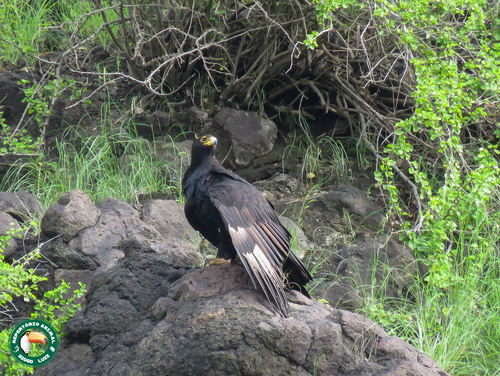 águia-preta
Em resumo
A marca de campo mais confiável entre águia-fulva e águia-preta é a cor geral: águias-preta adultas são strikingly black com marcas brancas ousadas, enquanto águias-fulva são variáveis, mas nunca verdadeiramente pretas, variando de tawny pálido a marrom escuro. Águias-preta imaturas têm uma coroa dourada contrastante e nuca ruiva, além de manchas brancas nas asas, ao contrário de qualquer águia-fulva. Em voo, a águia-preta é muito mais robusta e voa com um dihedral distinto (asas em forma de V), enquanto a águia-fulva parece mais desleixada, com uma postura de asas mais nivelada. Estrutura, tamanho e estilo de voo também são fundamentais: a águia-preta é muito mais pesada e de asas mais largas, com um contorno de asa em forma de colher e uma cauda mais curta e quadrada. Identificações erradas frequentemente ocorrem com águias-fulva de morfo escuro ou águias-preta imaturas, mas atenção cuidadosa à forma, padrão das asas e cor as separará em todos os plumagens.
Dicas de identificação
- A cor geral é a verificação mais rápida: Águias-preta adultas são pretas com manchas brancas ousadas; águias-fulva nunca são pretas, variando de tawny pálido a marrom escuro.
- A águia-preta imatura tem uma coroa dourada e nuca/manto ruivo, além de listras e manchas brancas nas asas e coxas cremosas—nenhuma águia-fulva de qualquer idade mostra essa combinação.
- A águia-preta em voo mostra um V branco ousado nas costas/roupa e manchas brancas na base das primárias (adultos); a águia-fulva nunca faz isso.
- A águia-fulva é polimórfica, mas mesmo os morfos mais escuros são marrom opaco, não preto, e não têm manchas brancas nas asas/roupa.
- A águia-preta voa com um dihedral pronunciado (asas em forma de V), primárias levantadas, e tem asas em forma de pá ou colher; as asas da águia-fulva são mais planas e menos largas, com 'dedos' mais pronunciados.
- Forma da cauda: A águia-preta tem uma cauda curta e quadrada; a cauda da águia-fulva é ligeiramente arredondada a quadrada, mas parece mais curta e mais semelhante à de um abutre em proporção.
- Postura empoleirada: A águia-fulva senta-se ereta, muitas vezes em poleiros baixos ou no chão, às vezes parecendo desleixada; a águia-preta é mais frequentemente empoleirada em altos penhascos ou grandes árvores, raramente no chão.
- Penas nas pernas: Ambas têm pernas com penas, mas as da águia-fulva podem parecer largas ou desleixadas, enquanto as da águia-preta são mais elegantes.
- Cor dos olhos: Águias-fulva adultas têm olhos amarelos a marrom pálido; imaturas têm olhos marrons escuros. Águias-preta imaturas têm íris marrons escuras, mas isso raramente é diagnóstico em campo.
- Cera e pés: Ambas as espécies têm cera e pés amarelos em todas as idades—isso não é um separador útil.
- Padrão da cabeça: Apenas águias-preta imaturas mostram uma coroa dourada e nuca ruiva; a cabeça da águia-fulva é geralmente semelhante em cor ao corpo, às vezes com sobrancelhas ou queixo mais escuros, mas nunca dourados ou ruivos.
- Padrão da parte inferior da asa: A águia-preta imatura mostra extensa mancha branca na parte inferior da asa; a águia-fulva não mostra.
- Contexto do habitat: Se vista sobre colinas rochosas ou penhascos, especialmente onde hyrax estão presentes, suspeite da águia-preta; em savanas abertas ou semi-deserto, a águia-fulva é mais provável.
- Impressão de tamanho: A águia-preta é muito mais robusta e pesada, com uma presença mais poderosa em voo e empoleirada; a águia-fulva é grande, mas mais esbelta.
- Variação do plumagem: A águia-fulva é altamente variável e pode ser confusa, mas nunca mostra os contrastes nítidos preto e branco ou dourado/ruivo da águia-preta em qualquer idade.
Tamanho
A águia-preta é dramaticamente mais pesada que a águia-fulva, com uma média de cerca de 4.012 g contra 1.996 g. Em campo, a águia-preta parece muito mais robusta e poderosa, com asas mais largas e um bico mais pesado. A águia-fulva ainda é um grande rapinante, mas visivelmente mais esbelta e menos imponente. Ambas são grandes águias, mas a águia-preta está entre as maiores da África, rivalizando apenas com a águia-real. O tamanho sozinho raramente é diagnóstico à distância, mas em comparação direta ou com experiência, a robustez e a envergadura da águia-preta são óbvias.
Plumagem
- Juvenil/Imatura (crítica para separação em campo):
- Águias-preta imaturas são overall dark brown com uma coroa dourada contrastante e nuca/manto ruivo ou gengibre. Elas mostram pequenas listras brancas na testa, bochechas pretas e uma garganta com listras escuras. A parte inferior da asa em voo mostra extensa mancha branca, mais do que em adultos. As coxas e pernas são cremosas, e as coberturas da asa superior têm listras brancas. À medida que envelhecem, as penas pretas aumentam, mas as calças cremosas persistem até cerca de 3 anos. Aos 5–6 anos, a plumagem preta adulta é alcançada.
- Águias-fulva imaturas são altamente variáveis, mas nunca mostram a coroa dourada, nuca ruiva ou extensa mancha branca na parte inferior da asa. Elas variam de tawny pálido a marrom escuro, às vezes listradas, mas carecem do padrão de cabeça e asas contrastantes da águia-preta imatura. Águias-fulva juvenis têm olhos marrons escuros, cera e pés amarelos, e podem parecer desleixadas ou de cor desigual, mas nunca pretas no geral.
- Adulto:
- Águias-preta adultas são essencialmente todas pretas, exceto por um V branco ousado nas costas e na roupa (visto em voo), e manchas brancas na base das primárias na asa superior. Nenhuma águia-fulva é tão preta ou tão nitidamente padronizada.
- Águias-fulva adultas são polimórficas: a maioria é ruivo-tawny a marrom-cinza, às vezes lisa, às vezes listrada, com uma nuca escura e cabeça mais clara. Algumas são marrons escuras, mas nunca verdadeiramente pretas, e nunca com o branco ousado da águia-preta. Morfos pálidos mostram um contraste claro entre coberturas do corpo/asa pálidas e penas de voo/cauda mais escuras. A cauda é lisa ou sutilmente listrada, nunca com uma roupa branca.
- Contrastes principais: Apenas a águia-preta mostra uma coroa dourada e nuca ruiva em imaturas, ou um adulto preto puro com manchas brancas ousadas. A águia-fulva é sempre alguma tonalidade de marrom ou tawny, nunca preta ou com branco forte.
Comportamento
A águia-preta é uma especialista em terrenos rochosos e montanhosos e é frequentemente vista voando alto em um dihedral pronunciado (asas em forma de V), usando correntes de ar para patrulhar penhascos e encostas. Seu voo é poderoso, com asas largas e em forma de pá e uma cauda curta e quadrada. A águia-fulva é mais versátil, frequentemente encontrada empoleirada ereta em tocos, postes ou árvores baixas em campo aberto, e pode andar no chão com uma postura mais horizontal. Em voo, a águia-fulva é menos robusta, com asas moderadamente longas e uma cauda ligeiramente arredondada a quadrada, e voa com asas mais planas. A águia-fulva pode parecer desleixada e menos elegante, frequentemente sentando-se por longos períodos. A águia-preta raramente é vista empoleirada baixa ou no chão, e seu voo é mais majestoso e controlado.
Habitat
A águia-preta está intimamente ligada a regiões montanhosas e colinas, especialmente áreas com penhascos e afloramentos rochosos, pois se especializa na caça de hyrax rochosos. Ela raramente é vista longe desse tipo de terreno. A águia-fulva, por outro lado, é uma ave de campo aberto, incluindo savana, semi-deserto e áreas levemente arborizadas, e é mais provável que seja vista empoleirada em paisagens abertas ou até mesmo andando no chão. Se você ver uma grande águia voando sobre montanhas ou penhascos, especialmente no sul ou leste da África, a águia-preta é muito mais provável; em planícies abertas ou savana, a águia-fulva predomina.