
Aquila rapace vs Verreaux's Eagle
Aquila rapax contro Aquila verreauxii
Fai un quiz con Aquila rapace e Verreaux's Eagle
 Aquila rapace
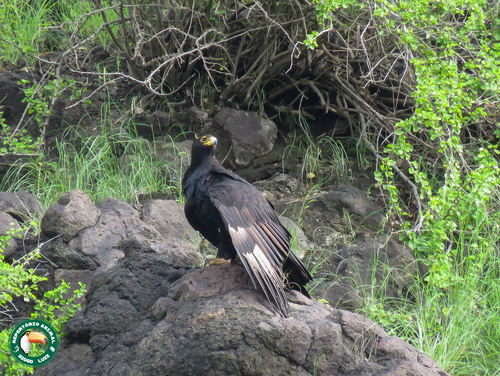 Verreaux's Eagle
In breve
Il segno di campo più affidabile tra Aquila rapace e Verreaux's Eagle è il colore generale: gli adulti di Verreaux's Eagle sono sorprendentemente neri con marcature bianche audaci, mentre gli Aquila rapace sono variabili ma mai veramente neri, che vanno dal tawny pallido al marrone scuro. Gli immaturi di Verreaux's Eagle hanno una corona dorata contrastante e una nuca rufosa, oltre a macchie bianche sulle ali, a differenza di qualsiasi Aquila rapace. In volo, Verreaux's Eagle è molto più massiccio e vola con un dihedro distintivo (ali a forma di V), mentre Aquila rapace appare più trasandato, con una postura alare più livellata. La struttura, la dimensione e lo stile di volo sono anche fondamentali: Verreaux's è molto più pesante e ha ali più larghe, con un profilo dell'ala a forma di cucchiaio e una coda più corta e quadrata. Le identificazioni errate si verificano spesso con Aquila rapace a morfologia scura o immaturi di Verreaux's, ma un'attenta attenzione alla forma, al motivo delle ali e al colore li separerà in tutte le livree.
Consigli di identificazione
- Il colore generale è il controllo più veloce: Gli adulti di Verreaux's Eagle sono neri con macchie bianche audaci; gli Aquila rapace non sono mai neri, che vanno dal tawny pallido al marrone scuro.
- L'immaturo di Verreaux's Eagle ha una corona dorata e una nuca/mantello rufosa, oltre a strisce bianche e macchie sulle ali e cosce cremose—nessun Aquila rapace di qualsiasi età mostra questa combinazione.
- Verreaux's Eagle in volo mostra una V bianca audace sulla schiena/il posteriore e macchie bianche alla base delle primarie (adulti); Aquila rapace non lo fa mai.
- Aquila rapace è polimorfa, ma anche le morfologie più scure sono marroni opache, non nere, e mancano di macchie bianche sulle ali/il posteriore.
- Verreaux's Eagle vola con un dihedro pronunciato (ali a forma di V), primarie sollevate, e ha ali a forma di pala o cucchiaio; le ali di Aquila rapace sono più piatte e meno larghe, con 'dita' più pronunciate.
- Forma della coda: Verreaux's Eagle ha una coda corta e quadrata; la coda di Aquila rapace è leggermente arrotondata a quadrata ma appare più corta e più simile a quella di un avvoltoio in proporzione.
- Postura in perching: Aquila rapace si siede dritto, spesso su perches basse o a terra, a volte apparendo trasandato; Verreaux's Eagle è più spesso posato in alto su scogliere o grandi alberi, raramente a terra.
- Piumaggio delle gambe: Entrambi hanno gambe piumate, ma quelle di Aquila rapace possono apparire larghe o trasandate, mentre quelle di Verreaux's sono più eleganti.
- Colore degli occhi: Gli adulti di Aquila rapace hanno occhi gialli o marroni chiari; gli immaturi hanno marroni scuri. Gli immaturi di Verreaux's Eagle hanno iridi marroni scure, ma questo è raramente diagnostico sul campo.
- Cere e piedi: Entrambe le specie hanno cere e piedi gialli a tutte le età—questo non è un separatore utile.
- Motivo della testa: Solo gli immaturi di Verreaux's Eagle mostrano una corona dorata e una nuca rufosa; la testa di Aquila rapace è solitamente simile nel colore al corpo, a volte con sopracciglia o mento più scuri, ma mai dorati o rufosi.
- Motivo dell'ala inferiore: L'immaturo di Verreaux's Eagle mostra ampie macchie bianche sull'ala inferiore; Aquila rapace non lo fa.
- Contesto dell'habitat: Se visto sopra colline rocciose o scogliere, specialmente dove sono presenti i procavie, sospettare Verreaux's; in savana aperta o semi-deserto, Aquila rapace è più probabile.
- Impressione di dimensione: Verreaux's Eagle è molto più massiccio e pesante, con una presenza più potente in volo e posato; Aquila rapace è grande ma più snella.
- Variazione del piumaggio: Aquila rapace è altamente variabile e può essere confusa, ma non mostra mai i contrasti netti bianco-neri o dorati/rufosi di Verreaux's a qualsiasi età.
Taglia
Verreaux's Eagle è drammaticamente più pesante di Aquila rapace, con un peso medio di circa 4.012 g contro 1.996 g. Sul campo, Verreaux's appare molto più massiccio e potente, con ali più larghe e un becco più pesante. Aquila rapace è comunque un grande rapace, ma visibilmente più snello e meno imponente. Entrambi sono grandi aquile, ma Verreaux's è tra le più grandi in Africa, superata solo dall'Aquila reale. La dimensione da sola è raramente diagnostica a distanza, ma in confronto diretto o con esperienza, la massa e l'apertura alare di Verreaux's Eagle sono ovvie.
Piumaggio
- Giovanile/Immature (critico per la separazione sul campo):
- Gli immaturi di Verreaux's Eagle sono complessivamente marroni scuri con una corona dorata fortemente contrastante e una nuca/mantello rufoso o ginger. Mostrano piccole strisce bianche sulla fronte, guance nere e una gola striata scura. L'ala inferiore in volo mostra ampie macchie bianche, più che negli adulti. Le cosce e le gambe sono cremose, e le copritrici dell'ala superiore hanno strisce bianche. Con l'età, le piume nere aumentano, ma i pantaloni cremisi persistono fino a circa 3 anni. All'età di 5-6 anni, si raggiunge il piumaggio adulto nero.
- Gli immaturi di Aquila rapace sono altamente variabili ma non mostrano mai la corona dorata, la nuca rufosa o ampie macchie bianche sull'ala inferiore. Vanno dal tawny pallido al marrone scuro, a volte striati, ma mancano del motivo della testa e delle ali fortemente contrastanti degli immaturi di Verreaux's. Gli aquilotti di Aquila rapace hanno occhi marroni scuri, cere e piedi gialli, e possono apparire trasandati o colorati in modo irregolare, ma mai complessivamente nerognoli.
- Adulto:
- Gli adulti di Verreaux's Eagle sono essenzialmente tutti neri tranne per una V bianca audace sulla schiena e sul posteriore (vista in volo), e macchie bianche alla base delle primarie sull'ala superiore. Nessun Aquila rapace è mai così nero o così nettamente disegnato.
- Gli adulti di Aquila rapace sono polimorfi: la maggior parte è rufoso-tawny a marrone-grigio, a volte semplice, a volte striato, con una nuca scura e una testa più chiara. Alcuni sono marroni scuri, ma mai veramente neri, e mai con il bianco audace di Verreaux's. Le morfologie chiare mostrano un chiaro contrasto tra le copritrici del corpo/ala chiare e le piume di volo/coda più scure. La coda è semplice o leggermente barrata, mai con un posteriore bianco.
- Contrasti chiave: Solo Verreaux's Eagle mostra una corona dorata e una nuca rufosa negli immaturi, o un adulto completamente nero con macchie bianche audaci. Aquila rapace è sempre di qualche tonalità di marrone o tawny, mai nera o con forte bianco.
Comportamento
Verreaux's Eagle è uno specialista di terreni rocciosi e montuosi ed è spesso visto volare in alto in un dihedro pronunciato (ali a forma di V), utilizzando le correnti ascensionali per pattugliare scogliere e pendii. Il suo volo è potente, con ali larghe e a forma di pala e una coda corta e quadrata. Aquila rapace è più versatile, spesso trovata posata dritta su ceppi, pali o alberi bassi in campagna aperta, e può camminare a terra con una postura più orizzontale. In volo, Aquila rapace è meno massiccia, con ali moderatamente lunghe e una coda leggermente arrotondata a quadrata, e vola con ali più piatte. Aquila rapace può apparire trasandata e meno elegante, spesso seduta per lunghi periodi. Verreaux's Eagle è raramente visto posato in basso o a terra, e il suo volo è più maestoso e controllato.
Habitat
Verreaux's Eagle è strettamente legato a regioni collinari e montuose, specialmente aree con scogliere e affioramenti rocciosi, poiché si specializza nella caccia ai procavie. È raramente visto lontano da tali terreni. Aquila rapace, d'altra parte, è un uccello di campagna aperta, inclusa la savana, il semi-deserto e aree leggermente boschive, ed è più probabile essere visto posato in paesaggi aperti o persino camminando a terra. Se vedi una grande aquila che vola sopra montagne o scogliere, specialmente nell'Africa meridionale o orientale, è molto più probabile che sia Verreaux's; nelle pianure aperte o nella savana, Aquila rapace predomina.