

taralhão-cinzento vs rouxinol-oriental
Muscicapa striata versus Luscinia luscinia
Jogue um quiz com taralhão-cinzento e rouxinol-oriental
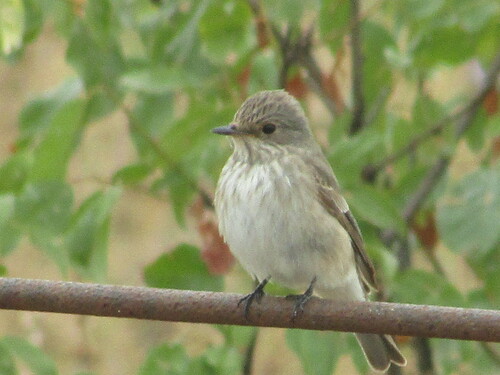 taralhão-cinzento
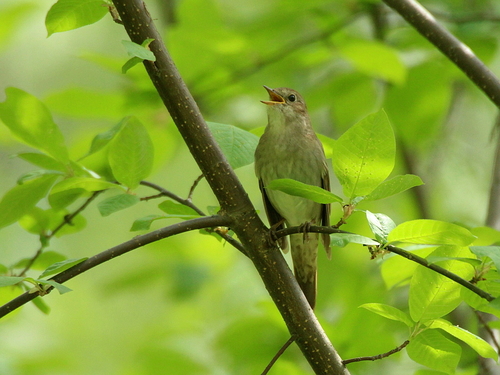 rouxinol-oriental
Em resumo
A marca de campo mais confiável para separar o taralhão-cinzento do rouxinol-oriental é a presença de finas listras na coroa e no peito no taralhão-cinzento de todas as idades, que nunca são mostradas pelo rouxinol-oriental. Os taralhões-cinzentos juvenis também apresentam manchas ocre-buff nas partes superiores, enquanto os rouxinóis-orientais juvenis são mais escuros e mais manchados no geral, mas não possuem essas manchas. Estruturalmente, o taralhão-cinzento é mais esbelto e de cauda mais longa, com uma postura mais ereta e alerta, enquanto o rouxinol-oriental é mais robusto e mais horizontal. Em voo ou empoleirado, as penas das asas com bordas claras do taralhão-cinzento e sua aparência geral mais cinza e simples contrastam com as partes superiores mais escuras, de cor oliva-marrom, e as partes inferiores nubladas do rouxinol-oriental. Ambos são discretos, mas a atenção cuidadosa às listras, estrutura e contexto os separará.
Dicas de identificação
- Listras na coroa e no peito: O taralhão-cinzento de todas as idades mostra finas listras marrons na coroa, garganta e peito; o rouxinol-oriental nunca mostra essa característica. Esta é a marca mais confiável em todas as estações.
- Partes superiores juvenis: Os taralhões-cinzentos juvenis têm manchas ocre-buff nas partes superiores e manchas marrons escamosas abaixo. Os rouxinóis-orientais juvenis são mais escuros, mais manchados, mas não possuem manchas ocre-buff.
- Tom geral: O taralhão-cinzento é cinza-marrom claro acima e quase branco abaixo, parecendo desbotado e simples. O rouxinol-oriental é muito mais marrom escuro acima com um tom oliva e tem uma aparência nublada e manchada abaixo.
- Bordas das asas e cauda: O taralhão-cinzento mostra bordas claras e finas nas penas das asas e da cauda, especialmente em plumagem nova. As asas e a cauda do rouxinol-oriental são mais escuras, com bordas claras menos óbvias.
- Cor da cauda: O rouxinol-oriental tem uma cauda marrom-rúfio escura (não tão brilhante quanto o rouxinol), enquanto a cauda do taralhão-cinzento é mais opaca e combina com as partes superiores.
- Coberturas inferiores da cauda: As coberturas inferiores da cauda do rouxinol-oriental são buff, às vezes barradas ou marcadas com marrom. As do taralhão-cinzento são quase brancas e simples.
- Formato do bico: O taralhão-cinzento tem um bico largo e pontudo típico de insetívoros aéreos, enquanto o bico do rouxinol-oriental é mais fino e menos largo na base.
- Cor das pernas: Ambos têm pernas escuras, não sendo um separador forte.
- Postura: O taralhão-cinzento empoleira-se ereto e alerta, frequentemente em galhos expostos. O rouxinol-oriental é mais horizontal, frequentemente baixo ou escondido na vegetação rasteira.
- Comportamento: Observe o voo de ataque a partir de um poleiro (taralhão-cinzento) versus o comportamento furtivo e a forrageação no chão (rouxinol-oriental).
- Habitat: Áreas abertas e ensolaradas com árvores dispersas favorecem o taralhão-cinzento; matagais densos e úmidos e vegetação rasteira de floresta favorecem o rouxinol-oriental.
- Vocalização: Um chamado fino e descendente 'tssssseeeeeppppp' é do taralhão-cinzento. A canção do rouxinol-oriental é rica e flautada, mas os chamados são menos distintos.
- Tamanho e forma: O taralhão-cinzento é mais esbelto, de cauda mais longa e mais delicado. O rouxinol-oriental é mais robusto, com cauda mais curta e corpo maior.
- Sexos: Ambas as espécies são sexualmente monomórficas; não confie no sexo para identificação.
- Estação: Ambas as espécies são migratórias e podem se sobrepor no final da primavera e no início do outono; marcas específicas de idade (manchas juvenis, listras) são mais úteis no final do verão e no outono.
Tamanho
O taralhão-cinzento é ligeiramente menor e mais esbelto, com uma média de cerca de 14,5 cm de comprimento e pesando 14–20 g [wikipedia]. O rouxinol-oriental é mais robusto, com cerca de 16 cm de comprimento e envergadura em torno de 18 cm [wikipedia]. A diferença é sutil no campo, mas o rouxinol-oriental frequentemente parece mais robusto, com uma cauda proporcionalmente mais curta e corpo maior, enquanto o taralhão-cinzento parece mais alongado e delicado.
Plumagem
Os taralhões-cinzentos juvenis são mais marrons do que os adultos, com manchas ocre-buff distintas nas partes superiores e manchas marrons escamosas abaixo, enquanto os rouxinóis-orientais juvenis são mais escuros no geral e mais pesadamente manchados, sem as manchas ocre-buff. Os taralhões-cinzentos adultos têm partes superiores cinza-marrom opacas e partes inferiores quase brancas, com finas listras marrons na coroa, garganta e peito, e penas das asas e cauda com bordas claras. Em contraste, os rouxinóis-orientais adultos são mais marrons escuros acima com um tom oliva, e suas partes inferiores são de cor buff clara ou esbranquiçada, manchadas e pontuadas com marrom, dando uma aparência nublada. A cauda do rouxinol-oriental é marrom-rúfio escura, mas não tão brilhante quanto o rouxinol, e as coberturas inferiores da cauda são buff, às vezes barradas. O taralhão-cinzento nunca mostra os tons escuros, oliva-marrom ou as partes inferiores nubladas e pesadamente manchadas do rouxinol-oriental. Ambos os sexos são semelhantes em ambas as espécies.
Comportamento
O taralhão-cinzento geralmente empoleira-se ereto e exposto, fazendo frequentes ataques para capturar insetos no ar e frequentemente retornando ao mesmo poleiro, mostrando uma postura característica ereta e alerta. O rouxinol-oriental é muito mais secreto, geralmente forrageando no chão ou perto dele em vegetação densa, movendo-se com uma postura mais horizontal e raramente saindo para o aberto. O comportamento do taralhão-cinzento é mais ativo e aéreo, enquanto o rouxinol-oriental é furtivo e orientado ao solo.
Habitat
O taralhão-cinzento é encontrado em florestas abertas, jardins, parques e bordas de florestas, frequentemente empoleirando-se em locais abertos. O rouxinol-oriental prefere florestas densas e úmidas e matagais, especialmente com vegetação rasteira densa, e faz ninhos perto do chão. Se você encontrar o pássaro em um matagais escuro e emaranhado, especialmente perto da água, é mais provável que seja um rouxinol-oriental; o taralhão-cinzento é mais provável de ser encontrado em locais abertos e ensolarados com árvores dispersas.
Voz
O taralhão-cinzento emite um chamado fino, agudo e levemente descendente 'tssssseeeeeppppp'. O rouxinol-oriental é mais conhecido por sua canção rica e flautada (não descrita em detalhes nessas notas), mas seus chamados são menos distintos no campo. Se você ouvir um chamado fino e prolongado, é mais provável que seja um taralhão-cinzento; os chamados do rouxinol-oriental são menos prováveis de serem notados, a menos que esteja cantando.
taralhão-cinzento · rouxinol-oriental · Minhas aves difíceis