

tordo-pinto vs melro
Turdus philomelos versus Turdus merula
Jogue um quiz com tordo-pinto e melro
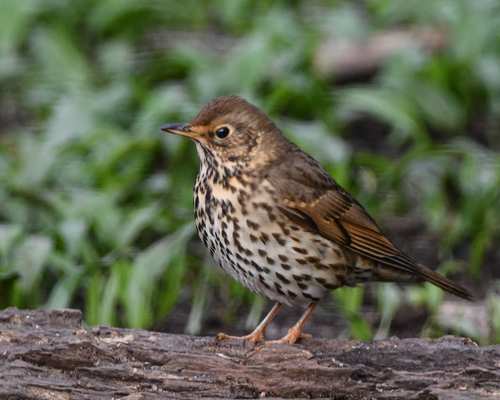 tordo-pinto
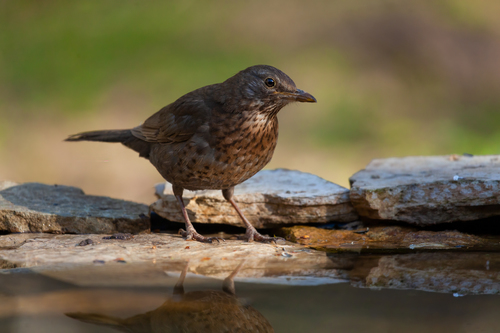 melro
Em resumo
A marca de campo mais confiável entre o tordo-pinto e o melro é a plumagem geral: tordos-pintos de todas as idades apresentam partes superiores marrons com manchas pretas ousadas nas partes inferiores claras, enquanto os melros machos adultos são completamente pretos brilhantes com um bico e anel ocular amarelos, e as fêmeas são marrons simples sem manchas pesadas. Tordos-pintos juvenis têm listras amarelas ou laranjas nas costas e nas coberturas das asas, enquanto os melros juvenis são marrons com manchas claras acima e um peito manchado. Em voo, os tordos-pintos mostram as partes inferiores amarelas quentes, contrastando com as asas uniformemente escuras do melro. A estrutura e o comportamento também diferem: os melros são maiores, com caudas mais longas, e frequentemente forrageiam em gramados, enquanto os tordos-pintos são mais compactos e eretos. A voz e o canto são distintos se ouvidos, mas a confusão é mais provável com aves imaturas e silenciosas.
Dicas de identificação
- Plumagem (adultos): Tordos-pintos sempre mostram manchas pretas ousadas nas partes inferiores claras; melros nunca mostram, independentemente do sexo.
- Plumagem (melro macho adulto): Plumagem totalmente preta com bico e anel ocular amarelos é única; tordo-pinto nunca é preto.
- Plumagem (melro fêmea adulta): Geralmente marrom-escuro, com manchas fracas, nunca com manchas nítidas. Tordo-pinto é mais marrom acima e fortemente manchado abaixo.
- Tordo-pinto juvenil: Procure por listras amarelas/laranjas nas costas e coberturas das asas, e manchas ousadas nas partes inferiores. Nenhuma idade de melro mostra essa combinação.
- Melro juvenil: Marrom acima com manchas claras, peito manchado, mas não com as manchas nítidas e ousadas do tordo-pinto; falta tons quentes e listras nas costas.
- Parte inferior da asa (voo): Tordo-pinto mostra partes inferiores amarelas quentes; a parte inferior da asa do melro é escura e sem marcas.
- Estrutura: Melro é mais longo, mais pesado e tem uma cauda mais longa; tordo-pinto é mais compacto e ereto, com uma cauda mais curta.
- Cor do bico: O melro macho adulto tem um bico amarelo-laranja brilhante; o bico do tordo-pinto é amarelado, mas nunca tão brilhante ou laranja. Fêmeas e juvenis de melro têm bicos mais opacos, mas ainda carecem das manchas nítidas do tordo-pinto.
- Anel ocular: O melro macho tem um anel ocular amarelo conspícuo; o tordo-pinto não tem.
- Voo: O tordo-pinto voa com batidas rápidas das asas e mostra uma forma compacta e arredondada; o voo do melro é mais direto, com explosões de batidas das asas e uma cauda mais longa e reta.
- Canto: O tordo-pinto repete frases musicais; o melro canta notas contínuas, suaves e flautadas. Use apenas se estiver cantando.
- Chamada de alarme: O tordo-pinto emite um 'tsip' agudo ou um 'chook-chook' estridente; o alarme do melro é um 'chook-chook' áspero e tagarela.
- Habitat: O melro é mais provável de ser encontrado em gramados abertos e parques urbanos; o tordo-pinto prefere coberturas mais arbustivas e densas.
- Confusão sazonal: No inverno, ambos podem parecer mais apagados, mas as diferenças estruturais e de manchas nas partes inferiores permanecem confiáveis.
- Armadilhas: Fêmeas e juvenis de melro são frequentemente confundidos com o tordo-pinto, mas sempre carecem das manchas nítidas e ousadas e da parte inferior da asa amarela quente. Tordos-pintos juvenis nunca parecem uniformemente marrons acima.
Tamanho
O tordo-pinto é visivelmente menor e mais leve, com uma massa típica em torno de 72 g [wikidata], comparado ao maior melro (80–125 g) [wikipedia]. O melro também é mais longo (23,5–29 cm vs. 20–23,5 cm do tordo-pinto), com uma cauda proporcionalmente mais longa e uma aparência mais robusta e alongada. Em comparação direta, o melro parece ter um corpo mais pesado e uma cauda mais longa, enquanto o tordo-pinto é mais compacto e ereto.
Plumagem
- Juvenil/Aves de primeiro ano: Tordos-pintos juvenis se assemelham a adultos, mas têm listras amarelas ou laranjas nas costas e coberturas das asas, e sempre mostram manchas escuras ousadas nas partes inferiores. Melros juvenis são marrons acima com manchas claras (não listras) e um peito manchado, carecendo das manchas nítidas do tordo-pinto; suas partes superiores são mais uniformes, e a asa é marrom, não preta.
- Adultos: Tordos-pintos adultos são marrons quentes acima com manchas pretas nítidas nas partes inferiores creme ou marrons, mais claras na barriga. Sua parte inferior da asa é amarela quente (visível em voo). Melros machos adultos são pretos brilhantes no geral, com um bico e anel ocular amarelos-laranja brilhantes; as fêmeas são marrons-escuros, com um bico mais opaco e manchas fracas no peito, mas nunca mostram as manchas ousadas do tordo-pinto. A parte inferior da asa do melro não é colorida de forma contrastante.
- Vistas de voo: Tordos-pintos mostram uma parte inferior da asa amarela quente e uma forma compacta e arredondada. Melros em voo parecem ter caudas mais longas e uniformemente escuras, carecendo do contraste da parte inferior da asa do tordo-pinto.
Comportamento
Melros frequentemente forrageiam abertamente em gramados e jardins, movendo-se com um andar de correr e pausar, e são frequentemente vistos sozinhos ou em pares. Eles podem defender territórios de forma agressiva, especialmente os machos com seus bicos brilhantes. Tordos-pintos são mais propensos a serem vistos em áreas mais arbustivas, frequentemente pulando com uma postura mais ereta e parando para procurar invertebrados. Ambas as espécies podem ser secretivas quando alarmadas, mas os melros são geralmente mais ousados em ambientes urbanos.
Habitat
Ambas as espécies se reproduzem em toda a Palearctica Ocidental e são comuns em jardins, parques e bordas de florestas. No entanto, os melros são mais adaptáveis a ambientes urbanos e frequentemente são o tordo padrão em parques e gramados da cidade. Tordos-pintos preferem coberturas mais densas, sebes e áreas arbustivas, e são menos propensos a serem vistos se alimentando em aberto por longos períodos.
Voz
Tordos-pintos têm um canto alto e claro de frases musicais repetidas, muitas vezes com imitação, e uma chamada aguda de 'tsip'. Melros cantam frases mais fluidas, suaves e flautadas sem a repetição, e sua chamada de alarme é um 'chook-chook' áspero. Se ouvidas, as frases repetidas do tordo-pinto são distintas, enquanto o canto do melro é mais contínuo e menos padronizado.